
Orange Chicken Calories? Dietitian Explains the Nutritional Breakdown
Orange chicken has become a beloved staple in American Chinese cuisine, gracing menus at restaurants and frozen food aisles across the country. The crispy, tangy-sweet combination appeals to millions of diners seeking comfort food with an Asian-inspired twist. However, many health-conscious consumers wonder about the true nutritional cost of this indulgent dish. Understanding orange chicken nutritional value requires examining not just calorie counts, but also sodium, sugar, and fat content that often surprise nutrition-aware individuals.
As a registered dietitian, I’ve fielded countless questions about this dish from clients trying to balance dietary goals with their favorite foods. The answer isn’t simply “avoid it”—rather, it’s about understanding what you’re consuming and making informed choices. Orange chicken represents a perfect case study in how restaurant and processed foods can deliver unexpected nutritional challenges, particularly regarding hidden sugars and sodium that accumulate quickly in seemingly modest portions.
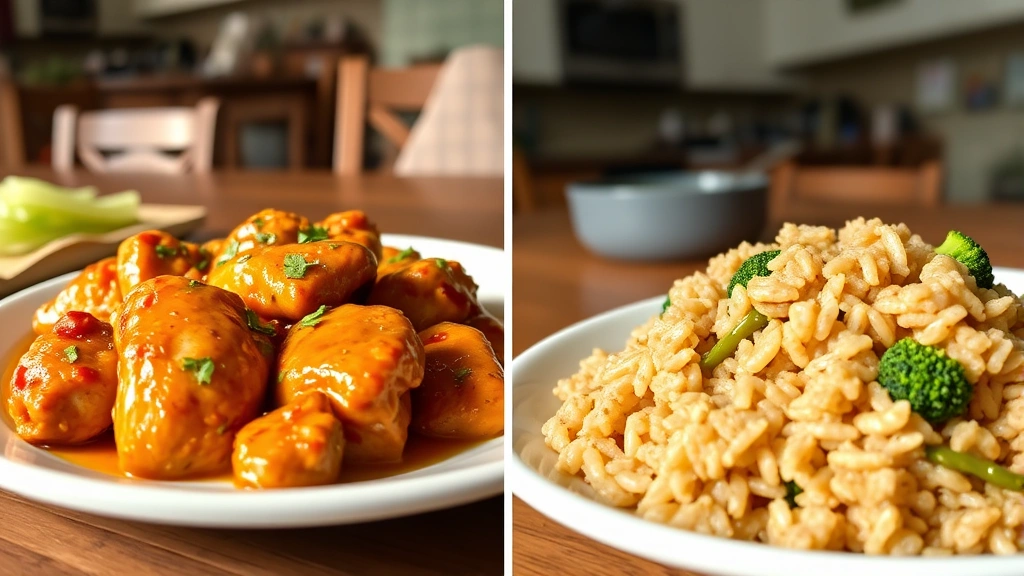
Orange Chicken Calories and Serving Sizes
The calorie content of orange chicken varies significantly depending on preparation method and portion size. A typical restaurant serving of orange chicken—approximately 150 grams or about one cup—contains between 400 to 500 calories. However, many establishments serve considerably larger portions, often 200 grams or more, pushing the calorie count closer to 600-700 calories in a single serving.
Frozen versions marketed for home consumption typically contain 180-220 calories per serving, though the listed serving size is often much smaller than what people actually eat. The discrepancy between labeled portions and actual consumption represents one of the most significant nutritional traps in processed foods. When you examine the package, you might see “2.5 servings per container,” yet most people consume the entire package in one sitting, effectively tripling their calorie intake.
Understanding serving size context matters tremendously. Restaurant portions often represent 1.5 to 2 times the USDA standard serving, while frozen packages exploit the psychology of portion sizes to make their products appear lower in calories than they actually are when consumed as intended by most people.
For context on balanced nutrition, explore our comprehensive healthy nutrition plan guide to understand daily caloric needs and proper portion balance.

Complete Nutritional Profile Explained
Beyond calories, orange chicken’s nutritional composition reveals why this dish presents challenges for health-conscious eaters. A typical restaurant serving contains:
- Total Fat: 17-22 grams (26-34% of daily value)
- Saturated Fat: 4-6 grams (20-30% of daily value)
- Trans Fat: 0-0.5 grams
- Protein: 25-30 grams (excellent protein content)
- Carbohydrates: 38-45 grams
- Fiber: 1-2 grams (minimal)
- Sodium: 800-1200 mg (35-52% of daily value)
- Sugar: 20-28 grams (added sugars primarily)
The protein content represents the most favorable aspect of orange chicken’s nutritional profile. The chicken itself provides high-quality complete protein containing all essential amino acids necessary for muscle maintenance and repair. This is why nutrition for building muscle mass shouldn’t necessarily exclude chicken entirely, though preparation method matters significantly.
However, the preparation method—typically deep frying the chicken pieces before coating them in a sugary orange sauce—transforms a nutritious protein source into a calorie-dense, high-sodium, high-sugar dish. The breading adds refined carbohydrates with minimal nutritional benefit, while the sauce contributes the majority of added sugars without providing substantial micronutrients.
Micronutrient analysis reveals limited nutritional density. Orange chicken provides minimal vitamin C despite the orange flavoring (which comes from concentrated orange juice and orange zest, not fresh citrus), modest amounts of iron from the chicken, and negligible quantities of calcium or other essential minerals. The dish does not represent a nutrient-dense food choice, meaning you’re consuming significant calories without proportional nutritional benefit.
Hidden Sugars and Sodium Content
The most problematic aspect of orange chicken lies in its hidden sugars and excessive sodium—two nutritional components that research increasingly links to chronic disease development. The sugar content deserves particular attention because most consumers underestimate how much added sugar they’re consuming.
A single restaurant serving of orange chicken contains 20-28 grams of added sugars, representing 40-56% of the American Heart Association’s recommended daily limit for added sugar (25 grams for women, 36 grams for men). This means one meal essentially consumes your entire daily allowance, leaving no room for sugar from other foods like beverages, desserts, or even seemingly healthy items like yogurt or granola.
The orange sauce achieves its addictive sweet-tangy flavor through a combination of ingredients: concentrated orange juice, sugar, honey, and sometimes corn syrup. The sauce accounts for approximately 70-80% of the total sugar content, while the breading and any glazing contribute the remainder. This concentrated sugar delivery system causes rapid blood glucose spikes, triggering insulin responses that can lead to energy crashes and increased hunger shortly after eating.
Sodium content presents an equally serious concern. The 800-1200 mg of sodium in a single serving represents 35-52% of the daily recommended limit. When combined with other meals throughout the day—most of which contain processed components—sodium consumption easily exceeds 3000-4000 mg daily, nearly double the recommended 2300 mg limit. Excessive sodium consumption correlates with elevated blood pressure, increased cardiovascular disease risk, and fluid retention.
Research from the American Heart Association demonstrates that reducing sodium intake by just 1000 mg daily can lower blood pressure and reduce cardiovascular disease risk significantly. Orange chicken, as a single meal component, makes meaningful sodium reduction challenging.
Restaurant Versus Frozen Versions
The nutritional differences between restaurant and frozen orange chicken warrant detailed examination, as many consumers believe frozen versions offer healthier alternatives.
Restaurant orange chicken typically features fresher chicken and higher-quality orange sauce ingredients, but portions are substantially larger. Restaurants often use premium cooking oils, though they may reuse frying oil multiple times throughout service, potentially introducing oxidized fats. The sauce is frequently made fresh daily with real orange juice concentrate, though sugar remains the primary ingredient.
Frozen orange chicken from major manufacturers undergoes processing designed to extend shelf life and ensure consistency. These versions often contain additional preservatives, thickening agents, and stabilizers that aren’t present in restaurant versions. However, frozen portions are technically smaller—though as mentioned, most consumers eat multiple servings. Some frozen brands have introduced “lighter” versions containing 30-40% fewer calories and 25-35% less sodium than standard versions.
When comparing specific brands, Costco’s frozen orange chicken (approximately 190 calories, 360 mg sodium per serving) appears more reasonable than restaurant versions, yet most packages contain 3-4 servings while individuals typically consume 1.5-2 servings per sitting. This mathematical reality means even “lighter” frozen versions provide 285-380 calories and 540-720 mg sodium when consumed as most people actually eat them.
Neither option qualifies as nutritionally excellent, but frozen versions offer better portion control potential and transparency through nutrition labels. Restaurant versions provide superior taste and texture but present greater challenges for dietary adherence.
Making Orange Chicken Healthier
Creating a healthier version of orange chicken at home allows you to control ingredients while maintaining the dish’s appeal. Several evidence-based modifications significantly improve nutritional value:
- Air frying instead of deep frying: Reduces oil content by 80-90%, cutting approximately 150-200 calories and 15-18 grams of fat from a standard serving. Air-fried chicken achieves similar crispiness through circulating hot air rather than oil immersion.
- Using skinless chicken breast: Reduces saturated fat by 40-50% compared to thighs. While slightly less flavorful, marinating the chicken in orange juice and low-sodium soy sauce adds moisture and flavor.
- Reducing sauce sugar: Replace 50% of added sugar with orange zest and fresh orange juice. This maintains authentic orange flavor while reducing refined sugar by 10-14 grams per serving. Honey or maple syrup, while still sugars, provide some micronutrient value compared to white sugar.
- Increasing vegetable content: Add bell peppers, snap peas, broccoli, and carrots to the dish, increasing fiber and micronutrient density while reducing overall calorie concentration per bite.
- Using low-sodium soy sauce: Reduces sodium content by 35-40%, dropping from 1000+ mg to 600-650 mg per serving.
- Limiting portion sizes: Serve with cauliflower rice or regular brown rice to increase volume and satiety without proportional calorie increases.
A homemade version using these modifications contains approximately 280-320 calories, 8-10 grams total fat, 25-28 grams protein, 28-32 grams carbohydrates, and 450-500 mg sodium per serving—representing substantial improvements across all nutritional markers while maintaining the beloved flavor profile.
Incorporating Orange Chicken Into a Balanced Diet
Rather than viewing orange chicken as forbidden, strategic incorporation into an overall balanced diet makes this possible without derailing health goals. The key involves understanding how to balance this indulgence within your broader nutritional context.
For individuals consuming 2000 calories daily, a 500-calorie orange chicken serving represents 25% of daily intake—a significant but manageable portion if other meals are appropriately planned. This approach works only when accompanied by intentional choices throughout the day: lighter breakfast and lunch options, higher-vegetable content in other meals, and limited additional sugar sources.
Consider the healthy nutrition plan framework which emphasizes balance rather than restriction. Within this model, occasional orange chicken consumption—perhaps once weekly or biweekly—fits comfortably for most people without compromising overall health.
Pairing orange chicken strategically amplifies its nutritional value. Rather than serving with fried rice (adding 200+ empty calories), choose brown rice or cauliflower rice (adding 100-150 calories with significantly more fiber). Include a substantial vegetable side like steamed broccoli or a fresh salad to increase micronutrient intake and promote satiety, helping you eat smaller portions of the orange chicken itself.
Understanding how individual foods fit within daily nutritional needs requires considering macronutrient balance. Orange chicken’s 25-30 grams of protein per serving is excellent, but combined with refined carbohydrates and minimal fiber, it doesn’t promote lasting satiety. Adding protein-rich sides or choosing lower-carbohydrate accompaniments helps stabilize blood glucose and energy levels throughout the afternoon.
For those managing specific health conditions, orange chicken requires careful consideration. Individuals with hypertension should limit consumption due to sodium content, while those managing diabetes must account for the 20-28 grams of added sugar in their daily carbohydrate tracking. People focused on improving digestion should note that orange chicken’s minimal fiber content and high fat content may cause digestive discomfort, particularly in those with sensitive systems.
Research from the Academy of Nutrition and Dietetics emphasizes that sustainable dietary approaches incorporate foods people enjoy rather than restricting them completely. Complete avoidance often leads to unsustainable eating patterns and eventual overconsumption. Strategic, mindful incorporation proves more effective for long-term health.
FAQ
How many calories are in orange chicken from major restaurants?
Restaurant portions typically contain 400-700 calories depending on serving size. Panda Express orange chicken contains approximately 400 calories per 5.7-ounce serving, though most people consume 1.5-2 servings per meal. Other Chinese restaurants often serve larger portions containing 600-700 calories.
Is orange chicken worse than other Chinese takeout options?
Orange chicken ranks among the higher-calorie Chinese dishes due to deep frying and sugary sauce. Lo mein and fried rice typically contain 350-450 calories per serving. Steamed options like vegetable and protein combinations contain 200-300 calories. Orange chicken’s sugar content (20-28 grams) significantly exceeds most other dishes.
Can I eat orange chicken on a diet?
Yes, occasional consumption fits within most dietary approaches when planned strategically. Eating orange chicken once weekly or biweekly works for many people pursuing weight loss, provided other meals maintain appropriate caloric balance and nutritional quality. The key involves conscious decision-making rather than spontaneous consumption.
What’s the sodium content in orange chicken?
Typical restaurant servings contain 800-1200 mg sodium (35-52% of daily recommended limit). Frozen versions contain 600-900 mg per serving depending on brand. Those managing hypertension should limit consumption or choose lower-sodium homemade versions.
Does orange chicken contain any beneficial nutrients?
Orange chicken provides high-quality protein (25-30 grams per serving) supporting muscle maintenance and satiety. The orange flavoring delivers minimal vitamin C despite the name. Overall nutrient density remains low relative to calorie content, making it primarily a pleasure food rather than a nutritionally dense choice.
How does frozen orange chicken compare to restaurant versions?
Frozen versions typically contain 30-40% fewer calories and 25-35% less sodium when comparing labeled serving sizes. However, most consumers eat 1.5-2 servings per sitting, narrowing the gap. Frozen options offer better portion control potential and nutritional transparency through labels.
What ingredients make orange chicken high in calories?
The deep frying process accounts for 150-200 calories and 15-18 grams of fat. The orange sauce contributes 100-120 calories and 20-28 grams of sugar. The breaded coating adds refined carbohydrates with minimal nutritional benefit. Together, these elements transform lean chicken into a calorie-dense dish.
Can I make orange chicken at home healthier?
Yes, homemade versions using air frying, reduced sugar sauce, skinless chicken, and vegetable additions contain 280-320 calories, 450-500 mg sodium, and 8-10 grams sugar per serving—representing 40-50% calorie reduction compared to restaurant versions while maintaining authentic flavor.


