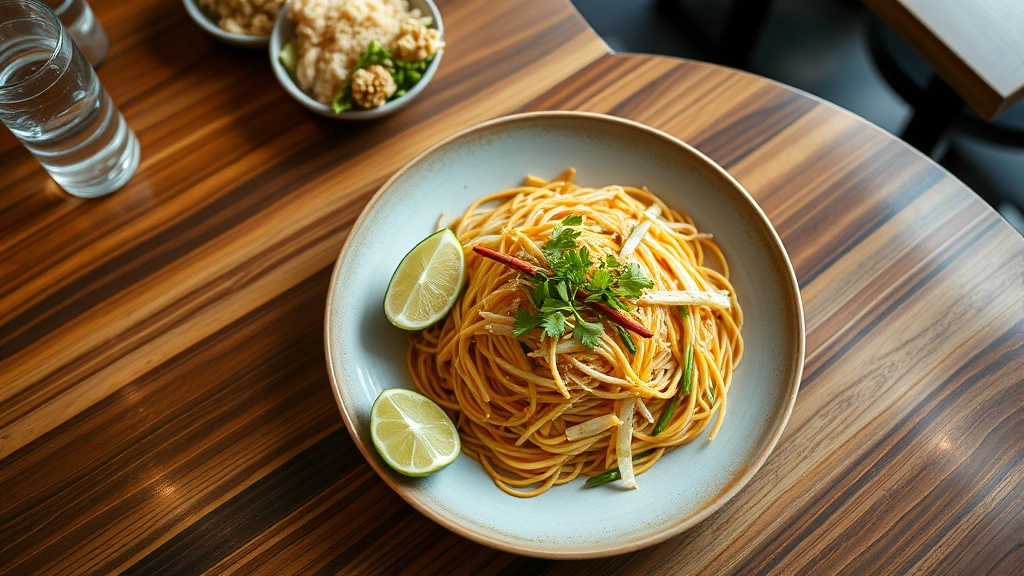
Pad Thai Nutrition Facts: Dietitian Insights & Complete Guide
Pad Thai stands as one of the world’s most beloved street foods, celebrated for its perfect balance of sweet, sour, salty, and spicy flavors. However, many health-conscious diners remain uncertain about the nutritional profile of this Thai staple. Whether you’re tracking macronutrients, managing dietary restrictions, or simply curious about what you’re consuming, understanding pad thai’s nutritional composition is essential for making informed dietary choices. This comprehensive guide breaks down the caloric content, macronutrient distribution, micronutrient benefits, and practical strategies for enjoying this dish as part of a balanced diet.
Pad Thai’s nutritional value varies significantly depending on preparation methods, ingredient ratios, and portion sizes. Restaurant versions often differ dramatically from home-cooked renditions, with some offerings containing surprising amounts of added sugar and oil. By examining the science behind pad thai’s ingredients and learning how to optimize its nutritional profile, you can continue enjoying this delicious dish while supporting your health goals.
Understanding Pad Thai Base Ingredients
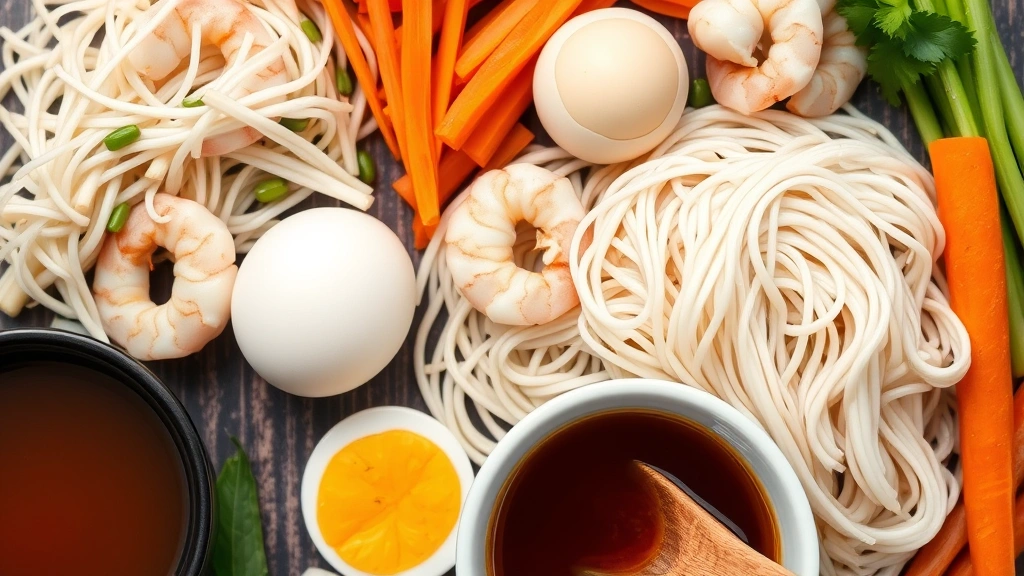
Pad Thai’s foundation consists of several key components that collectively determine its nutritional profile. The dish traditionally features dried rice noodles as its base, which provide carbohydrates and minimal fat. These noodles are typically stir-fried in oil with a combination of proteins, vegetables, and a distinctive sauce made from tamarind paste, fish sauce, palm sugar, and lime juice.
The protein component varies considerably—authentic pad thai often includes shrimp, chicken, tofu, or eggs, each contributing different nutritional characteristics. Shrimp offers lean protein and selenium, while eggs provide choline and lutein for eye health. Tofu presents a plant-based alternative rich in iron and calcium. The vegetable additions—commonly bean sprouts, carrots, and green onions—contribute fiber, vitamins, and minerals. Understanding these individual components helps explain why your pad thai’s nutrition can vary so dramatically from one restaurant to another.
When exploring nutrition facts about specific foods, it’s worth noting that pad thai’s complexity makes it an excellent case study in how preparation methods dramatically alter nutritional outcomes. The cooking technique itself—high-heat stir-frying—impacts nutrient bioavailability and creates compounds through the Maillard reaction that enhance flavor while potentially affecting health profiles.
Complete Nutritional Breakdown Per Serving
A typical restaurant serving of pad thai (approximately 350-400 grams) contains roughly 400-450 calories, though this figure varies based on protein selection and oil quantity. Shrimp pad thai tends toward the lower end of this range, while chicken versions typically fall in the middle, and beef or pork preparations often exceed 500 calories. Vegetarian pad thai with tofu usually aligns with shrimp versions calorically.
Breaking down a standard serving of shrimp pad thai:
- Calories: 420 (approximately)
- Total Fat: 17g (26% of daily value)
- Saturated Fat: 3g (15% of daily value)
- Trans Fat: 0g
- Cholesterol: 150mg (50% of daily value)
- Sodium: 1,200-1,500mg (50-65% of daily value)
- Total Carbohydrates: 52g (17% of daily value)
- Dietary Fiber: 3g (12% of daily value)
- Total Sugars: 12g (includes 8g added sugars)
- Protein: 18g (36% of daily value)
These figures represent averages from major Thai restaurants and may differ from authentic street vendor preparations or home-cooked versions. The sodium content deserves particular attention, as a single serving provides more than half the recommended daily intake.
Calorie Content Variations
Pad thai’s caloric density depends heavily on several variables. The amount of oil used in stir-frying significantly impacts total calories—restaurants often use generous quantities for flavor and texture, while home cooks can control this precisely. A pad thai prepared with minimal oil might contain 280-320 calories, while versions prepared with abundant oil and additional peanut sauce topping can exceed 600 calories.
Protein selection substantially affects caloric content. Comparing equal-sized portions:
- Tofu Pad Thai: 320-380 calories (highest fiber, lowest cholesterol)
- Shrimp Pad Thai: 380-420 calories (leanest protein option)
- Chicken Pad Thai: 420-480 calories (balanced protein and fat)
- Beef Pad Thai: 480-550 calories (higher saturated fat)
- Mixed Protein Pad Thai: 450-520 calories (variable based on ratios)
Sauce preparation also influences caloric content significantly. Traditional pad thai sauce contains palm sugar, which adds calories without significant nutritional benefit. Some restaurants increase sweetness with additional sugar or condensed milk, pushing caloric content higher. The peanut powder garnish, while nutritious, adds 50-100 additional calories per serving when applied generously.
Macronutrient Analysis
Understanding pad thai’s macronutrient composition helps contextualize its place within balanced nutrition. A standard serving typically provides approximately 52% of calories from carbohydrates, 36% from protein, and 36% from fat—noting that percentages exceed 100% because we’re calculating from a mixed-macronutrient dish.
The carbohydrate content primarily comes from rice noodles, which are relatively simple carbohydrates with a moderate glycemic index. While these noodles provide quick energy, they lack the sustained satiety benefits of whole grains. The added sugars in the sauce (typically 8-12 grams per serving) contribute empty calories without micronutrient density. This is where the importance of dietary fiber for your health becomes particularly relevant—pad thai’s fiber content (usually 2-4 grams) falls below optimal levels for blood sugar stabilization.
The protein content, ranging from 15-25 grams depending on protein source, supports muscle maintenance and satiety. Shrimp provides complete protein with all essential amino acids, while tofu offers a complete plant-based alternative. The fat content (14-20 grams) comes primarily from cooking oil, with smaller contributions from proteins and sauce ingredients. Most of this fat is unsaturated, though the cooking process may create some trans fats depending on oil type.
Essential Micronutrients in Pad Thai
Beyond macronutrients, pad thai provides valuable micronutrients, particularly from its vegetable components and protein sources. A typical serving delivers significant quantities of several important nutrients:
B Vitamins: Rice noodles provide B1 (thiamine) and B3 (niacin), essential for energy metabolism. Shrimp and eggs contribute B12 for neurological function. These contributions support nutrition and mental health through dietary components affecting brain function.
Minerals: Shrimp provides selenium (a powerful antioxidant), iron, and zinc. Bean sprouts contribute manganese and copper. Fish sauce adds iodine, though in variable quantities. These minerals support immune function, thyroid health, and antioxidant defense systems.
Vitamins A and C: Carrots and lime juice provide vitamin A for vision health and vitamin C for immune support and collagen synthesis. The high cooking temperature may reduce some vitamin C content, though the lime juice added at serving preserves some ascorbic acid.
Phytonutrients: Garlic, chilies, and lime contain bioactive compounds with anti-inflammatory and antioxidant properties. Garlic contains allicin, which research suggests may support cardiovascular health. Capsaicin in chilies may temporarily boost metabolism and provide pain-relieving benefits.
Health Considerations and Dietary Concerns
While pad thai offers nutritional benefits, several health considerations warrant attention. The sodium content represents perhaps the most significant concern, with many restaurant servings providing 50-65% of daily recommended intake in a single dish. For individuals managing hypertension or heart disease, this represents a substantial portion of their sodium allowance.
The sugar content, both added and naturally occurring, requires consideration for those managing diabetes or blood sugar sensitivity. The combination of simple carbohydrates from noodles and added sugars from sauce creates a blood sugar spike that may be problematic for certain individuals. Pairing pad thai with protein and fiber-rich sides helps moderate this glycemic response.
Allergenic considerations deserve attention, as pad thai commonly contains peanuts (in garnish or sauce), tree nuts, shellfish, fish sauce (containing fish), soy, and sesame. Cross-contamination risks exist in restaurant kitchens preparing multiple dishes simultaneously. Those with allergies should communicate clearly with restaurant staff about preparation methods.
The saturated fat content, while not excessive, may concern those limiting saturated fat intake for cardiovascular health. Using lean proteins like shrimp and requesting minimal oil reduces this concern.
Optimizing Pad Thai for Better Nutrition
Several strategies allow you to enjoy pad thai while optimizing its nutritional profile. When ordering at restaurants, request modifications that enhance nutritional value without sacrificing flavor:
- Request extra vegetables: Ask for additional bell peppers, broccoli, mushrooms, or snap peas to increase fiber, vitamins, and minerals while adding volume and satiety.
- Choose lean protein: Select shrimp or tofu over beef or pork to reduce saturated fat and calories while maintaining protein intake.
- Reduce oil usage: Politely request minimal oil in preparation. Most restaurants can accommodate this without compromising flavor.
- Request sauce on the side: This allows you to control sugar and sodium intake while enjoying the authentic flavor profile.
- Add lime and fresh herbs: Request extra lime wedges and fresh cilantro to boost flavor with negligible calories while adding vitamin C and phytonutrients.
- Include a vegetable side: Order steamed broccoli or a vegetable soup to increase overall fiber and micronutrient density of your meal.
- Share or reduce portion: Restaurant portions often exceed optimal serving sizes. Consider sharing or requesting a half-portion.
Home preparation offers maximum nutritional control. Using brown rice noodles instead of white increases fiber content. Incorporating a healthy nutrition plan that guides eating well for life includes the flexibility to enjoy dishes like pad thai prepared optimally. Using moderate oil quantities, reducing added sugar in the sauce, and maximizing vegetable content creates a more nutritionally balanced version.
Comparison with Other Asian Noodle Dishes
Contextualizing pad thai’s nutrition relative to similar Asian noodle preparations provides helpful perspective. Lo mein typically contains 400-500 calories with higher sodium from soy sauce. Chow mein often exceeds 600 calories due to crispy noodles and additional oil. Pho, while variable, often provides 300-400 calories with lower fat but significant sodium. Ramen typically ranges from 400-800 calories depending on broth richness and toppings.
Pad thai compares favorably to many Asian noodle dishes in terms of caloric density and fat content. Its protein content typically exceeds lo mein and chow mein, while its vegetable content often surpasses these alternatives. The main nutritional disadvantage compared to pho involves sugar content; traditional pho broth contains minimal added sugar, whereas pad thai sauce is deliberately sweetened.
For athletes and active individuals, nutrition for athletes optimizing performance through diet might incorporate pad thai as part of a balanced training diet, particularly when vegetable content is maximized and protein portions are generous.
Research from Pew Research Center on dietary patterns reveals that Americans increasingly seek nutritional transparency in ethnic cuisine. Nutrition.gov provides evidence-based nutritional guidance that can help contextualize pad thai within broader dietary recommendations. The American Heart Association offers sodium reduction strategies particularly relevant for those enjoying frequent pad thai consumption.
FAQ
How many calories are in a typical pad thai serving?
A standard restaurant serving of pad thai contains approximately 400-450 calories, though this varies based on protein selection, oil quantity, and sauce preparation. Shrimp versions typically contain 380-420 calories, while beef or pork preparations often exceed 500 calories. Home-prepared versions with controlled oil usage may contain as few as 280-320 calories.
Is pad thai high in sodium?
Yes, pad thai typically provides 1,200-1,500 milligrams of sodium per serving, representing 50-65% of the daily recommended intake. This primarily comes from fish sauce and soy sauce. Requesting reduced sauce or preparing pad thai at home with minimal fish sauce and salt significantly reduces sodium content.
Does pad thai contain gluten?
Traditional pad thai made with rice noodles is naturally gluten-free. However, cross-contamination may occur in restaurant kitchens. Some restaurants use wheat noodles as substitutes. Always verify with restaurant staff if you have celiac disease or gluten sensitivity. Fish sauce and soy sauce may contain gluten depending on brands used.
Can vegetarians enjoy pad thai?
Absolutely. Tofu pad thai provides complete protein and typically contains 320-380 calories per serving. Ensure fish sauce is omitted or replaced with tamari or additional soy sauce. Verify that cooking oil and sauce don’t contain animal products. Many Thai restaurants offer excellent vegetarian pad thai options.
What makes pad thai sweet?
Pad thai’s sweetness comes from palm sugar added to the sauce, typically 2-3 tablespoons per serving. Some restaurants add additional sugar or condensed milk. A typical serving contains 8-12 grams of added sugar. Requesting reduced sauce or requesting the sauce be prepared with less sugar significantly reduces sugar content without compromising authentic flavor.
How does pad thai fit into a balanced diet?
Pad thai can fit well within a balanced diet when prepared mindfully. Its protein content supports satiety and muscle maintenance, while its vegetable components provide fiber and micronutrients. Pair pad thai with additional vegetables, control portion sizes, and balance with other meals lower in sodium and added sugars throughout the day.
What’s the best protein choice for pad thai?
Shrimp offers the leanest option with approximately 18-20 grams of protein and 380-420 calories per serving. Tofu provides a complete plant-based alternative with similar caloric content and excellent micronutrient profile. Chicken offers a balanced middle ground with moderate fat content. Avoid beef and pork if minimizing saturated fat is a priority.


