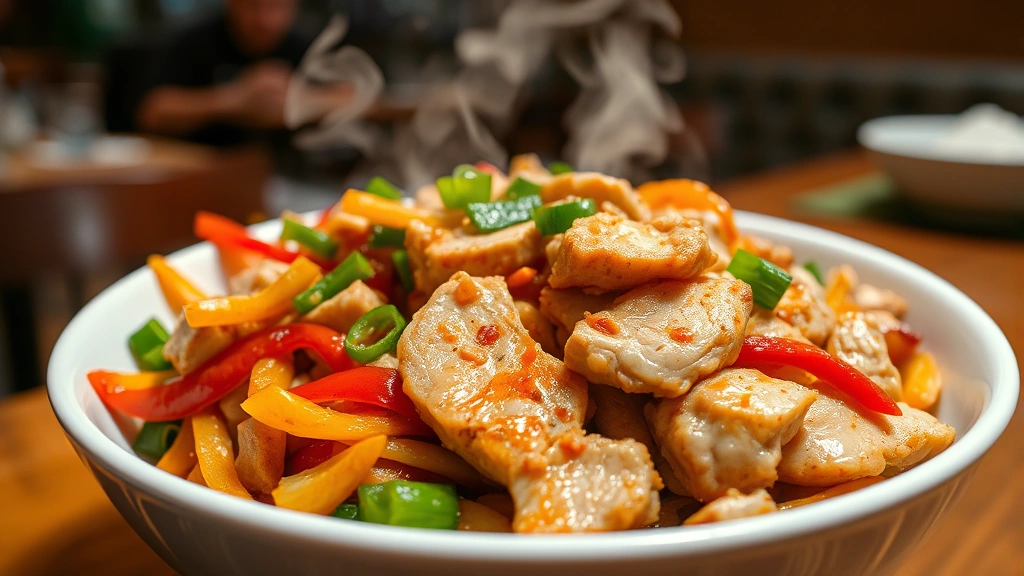
Panda Express: Is It Healthy? Dietitian Insights on Menu Nutrition
Panda Express has become one of America’s most popular fast-casual Chinese restaurant chains, with over 2,300 locations serving millions of customers annually. The question of whether Panda Express menu items align with healthy eating habits is one that nutritionists and health-conscious diners frequently ask. While the chain offers some surprisingly nutritious options, understanding the nutritional landscape of their menu is essential for making informed dietary choices.
The reality is nuanced: Panda Express isn’t inherently unhealthy, but it requires strategic menu navigation. Many dishes contain excessive sodium, added sugars, and calories that can quickly exceed daily recommendations. However, the chain has made efforts to provide nutritional transparency and offers customizable options that allow diners to create more balanced meals. This comprehensive guide breaks down the nutritional profile of popular Panda Express items and provides actionable strategies for eating well at the chain.

Nutritional Overview of Panda Express Menu
Panda Express serves approximately 70 million customers annually, making it a significant dietary influence for many Americans. The chain’s menu primarily consists of stir-fried entrees, fried rice, noodles, and sides. Understanding the baseline nutritional composition of these categories is crucial for dietitians and health-conscious consumers.
The average Panda Express entree contains between 300-500 calories, though some specialty items exceed 700 calories per serving. The nutritional foundation of most dishes relies on fried preparation methods, which substantially increases fat content and caloric density. A typical beef and broccoli entrée contains 190 calories and 9 grams of fat, making it one of the leaner options, while Orange Chicken—the chain’s signature dish—delivers 490 calories and 23 grams of fat per serving.
Sodium levels present a more concerning nutritional challenge. Most Panda Express entrees contain 800-1,200 milligrams of sodium, representing 35-50% of the recommended daily intake in a single meal. This is particularly problematic for individuals managing hypertension or following healthy nutrition plans. The chain’s reliance on soy sauce, salt-based seasonings, and preserved ingredients contributes to this elevated sodium profile.
Dietary fiber content across Panda Express offerings is notably low, typically ranging from 0-3 grams per entree. This deficiency is significant because dietary fiber plays essential roles in digestive health, blood sugar regulation, and sustained satiety. The lack of whole grains and vegetable-forward dishes limits the nutritional density of standard menu offerings.
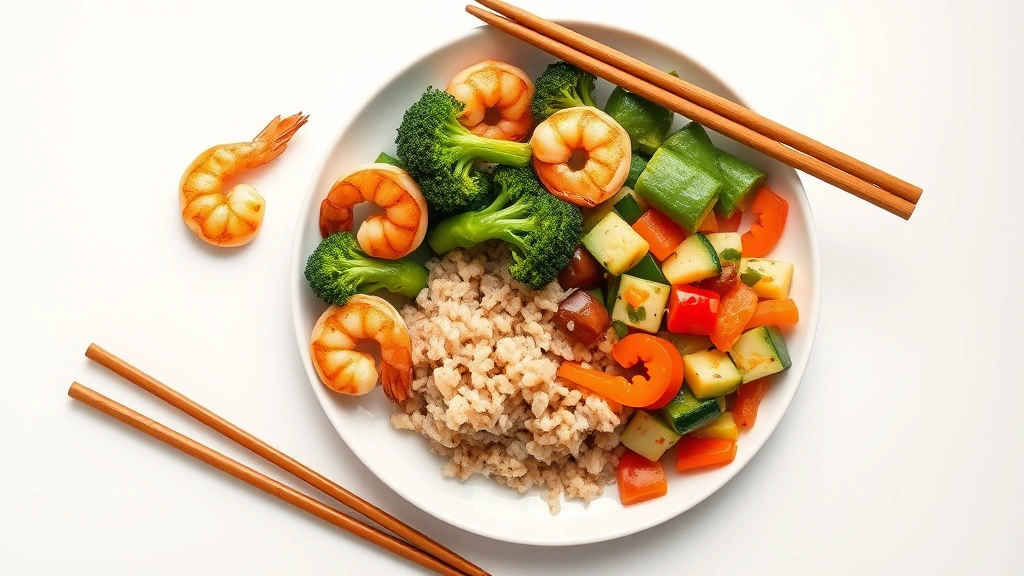
Healthiest Menu Options
Despite the nutritional challenges outlined above, Panda Express does offer several menu items that align with dietitian-recommended eating patterns. These options prioritize protein, minimize added sugars, and maintain reasonable caloric values.
Beef and Broccoli stands as the nutritional champion of the Panda Express menu. At 190 calories, 9 grams of fat, and 19 grams of protein per serving, this dish offers an excellent protein-to-calorie ratio. The broccoli provides minimal fiber but contributes micronutrients including vitamin C and potassium. Pairing this entrée with steamed rice (rather than fried) creates a relatively balanced meal totaling approximately 400-450 calories.
Grilled Teriyaki Chicken provides another solid option with 380 calories, 7 grams of fat, and 34 grams of protein. The grilling preparation method reduces added fat compared to fried alternatives. However, the teriyaki sauce contributes approximately 18 grams of sugar per serving, making this less ideal for individuals monitoring sugar intake.
Hot Ones Blazing Bourbon Chicken delivers 490 calories with 34 grams of protein, offering substantial satiety value. The spice profile may support metabolism and provide flavor without relying on added sugars, though sodium remains elevated at 1,080 milligrams.
The Sizzling Shrimp option provides 170 calories and 26 grams of protein with only 4.5 grams of fat, making it exceptional for protein-focused diets. Pairing shrimp-based entrées with vegetable sides maximizes nutritional density while maintaining caloric control.
When considering side dishes, Mixed Vegetables (70 calories, 2 grams fiber) and Broccoli Beef (70 calories, 2 grams fiber) offer superior nutritional profiles compared to fried rice options. Brown rice, when available, provides additional fiber compared to white rice alternatives.
Items to Avoid or Limit
Certain Panda Express menu items present significant nutritional concerns and should be approached with caution or avoided entirely by health-conscious diners.
Orange Chicken, despite its popularity, contains 490 calories, 23 grams of fat, and 34 grams of added sugar in a single serving. The breading, frying process, and sweet sauce create a calorie-dense, sugar-heavy dish that exceeds daily sugar recommendations for many individuals. This item should be considered an occasional indulgence rather than a regular menu choice.
Fried Rice options consistently exceed 500 calories per serving while providing minimal fiber and substantial sodium. Egg Fried Rice (570 calories, 1,380mg sodium) and Pork Fried Rice (530 calories, 1,220mg sodium) represent some of the least nutritious carbohydrate options available. These dishes combine refined carbohydrates with excessive fat and salt.
Crispy Noodles entrées deliver between 550-650 calories with 25-30 grams of fat. The crispy preparation method and sauce combinations create nutritionally dense but relatively unbalanced meals. The noodles provide minimal nutritional value beyond calories and carbohydrates.
Cream Cheese Rangoon appetizers contain 190 calories and 10 grams of fat per piece, with most diners consuming multiple pieces. A typical serving of three pieces totals 570 calories and 30 grams of fat, representing a significant portion of daily caloric intake for a side dish.
Soda and sweetened beverages offered at Panda Express add 150-250 calories and 40-65 grams of sugar per drink. These beverages provide no nutritional benefit and substantially increase meal totals when included.
Sodium and Sugar Content Analysis
The sodium and sugar profiles of Panda Express menu items warrant detailed examination, as these nutrients significantly impact long-term health outcomes. Research from Pew Research Center on American dietary patterns shows that fast-casual restaurants are primary sodium contributors in the average American diet.
Most Panda Express entrées deliver 900-1,200 milligrams of sodium, representing 40-50% of the American Heart Association’s recommended daily limit of 2,300 milligrams. This concentration is problematic because consumers often add additional sodium through soy sauce packets, condiments, or additional side dishes. A complete Panda Express meal (entrée, fried rice, and drink) frequently totals 2,000+ milligrams of sodium.
For individuals with hypertension or salt sensitivity, this sodium load can significantly impact blood pressure regulation. The cumulative effect of regular fast-casual dining contributes to elevated cardiovascular disease risk in the American population.
Sugar content presents similarly concerning patterns. While most savory entrées contain 5-15 grams of added sugar from sauces, sweet-and-sour dishes exceed 25-35 grams. A single Orange Chicken entrée (34g sugar) combined with a sweetened beverage (45g sugar) delivers 79 grams of sugar—nearly twice the American Heart Association’s recommended daily limit of 36 grams for men and 25 grams for women.
The sugar-sodium combination in many Panda Express dishes creates a particularly problematic nutritional pattern. High sugar and high sodium intake together correlate with increased inflammation, metabolic dysfunction, and cardiovascular disease risk according to nutritional epidemiology research.
Protein and Macronutrient Breakdown
Protein content represents one of Panda Express’s nutritional strengths. Most entrées deliver 25-35 grams of protein per serving, supporting muscle maintenance and satiety. This protein contribution makes Panda Express viable for individuals following nutrition for building muscle mass when menu items are carefully selected.
The macronutrient distribution across standard Panda Express meals typically follows a pattern of 35-40% carbohydrates, 30-35% fat, and 25-35% protein. This ratio is reasonably balanced for general health maintenance, though the quality of carbohydrate sources remains problematic due to refined grain predominance.
Fat content varies substantially based on preparation method. Grilled items contain 4-8 grams of fat, while fried dishes deliver 15-30 grams. Most fat in Panda Express dishes comes from vegetable oil used in cooking rather than inherent food sources, meaning the fat composition is primarily polyunsaturated and monounsaturated rather than saturated fats.
Carbohydrate quality represents a significant nutritional limitation. Rice and noodle bases provide refined carbohydrates lacking substantial fiber. A comparison with pad thai nutrition facts from traditional Thai restaurants reveals that specialized ethnic cuisines often provide better carbohydrate quality through vegetable integration and whole grain options.
Micronutrient density remains limited across Panda Express offerings. While dishes contain some iron, zinc, and B vitamins from protein sources, vegetable content is insufficient to provide meaningful vitamin C, vitamin A, or mineral contributions. A typical Panda Express meal leaves significant micronutrient gaps that should be addressed through additional meals or supplementation.
Customization Strategies for Better Nutrition
Panda Express’s customizable ordering system enables health-conscious diners to substantially improve nutritional outcomes. Understanding leverage points for dietary optimization transforms the chain from a nutritional liability to a viable eating option.
Sauce Reduction Strategy: Requesting light sauce or sauce on the side reduces added sugars and sodium by 20-40% depending on the dish. Orange Chicken with light sauce drops from 34 grams to approximately 18 grams of sugar while maintaining flavor. Most sauce packets contain 200-300 milligrams of sodium that can be eliminated entirely by this simple modification.
Rice Selection: Choosing steamed rice over fried rice reduces fat content by 15 grams and calories by 150-200 per serving. Brown rice, when available, adds 2-3 grams of fiber and increases micronutrient density. Some locations offer cauliflower rice as a low-carbohydrate alternative containing 15 calories and 2 grams of fiber per serving.
Vegetable Integration: Adding or replacing components with Mixed Vegetables or Broccoli sides increases fiber content and micronutrient density while maintaining satiety. Building a meal around vegetable-based sides rather than fried rice or noodles creates a more nutritionally complete plate.
Protein Prioritization: Selecting grilled protein options (Teriyaki Chicken, Grilled Shrimp) over fried alternatives reduces fat by 10-15 grams per serving. Double protein portions (when available) increase satiety and support muscle maintenance without substantially increasing caloric totals if combined with reduced carbohydrate sides.
Beverage Choices: Substituting water, unsweetened tea, or diet beverages for regular sodas eliminates 150-250 calories and 40-65 grams of sugar per meal. This single change produces the most substantial nutritional improvement for average Panda Express diners.
Portion Control: Requesting half portions or sharing entrées with dining companions reduces overall nutrient intake while maintaining satisfaction. Many Panda Express dishes deliver adequate satiety in smaller portions, particularly protein-rich options.
How Panda Express Compares to Competitors
Evaluating Panda Express within the broader fast-casual restaurant landscape provides valuable context for health-conscious diners. Comparative analysis reveals both advantages and disadvantages relative to competing options.
Compared to traditional Chinese takeout restaurants, Panda Express offers superior nutritional transparency through published nutrition facts. Many local Chinese restaurants provide no nutritional information, making informed choices impossible. However, traditional restaurants often use higher-quality ingredients and provide greater customization flexibility.
When compared to other fast-casual chains like Chipotle or Panera, Panda Express presents mixed nutritional outcomes. Chipotle offers superior vegetable integration and whole grain options, enabling more fiber-rich meals. Panera provides clearer labeling of sodium and sugar content, though menu variety is more limited. Panda Express’s protein-to-calorie ratio remains competitive, particularly for grilled options.
Traditional Thai restaurants, such as those serving pad thai variations, often provide more vegetable-forward dishes and greater spice utilization for flavor development without added sugar. However, these establishments may use more coconut milk and oil in preparation methods.
Subway and other sandwich-based chains offer lower-calorie options but frequently deliver inferior protein content and less satisfying meals. Pizza chains typically exceed Panda Express in both caloric density and sodium per serving.
The accessibility factor cannot be overlooked. With 2,300+ locations, Panda Express provides consistent nutritional information and availability that many healthier alternatives cannot match. For individuals in food deserts or with limited restaurant options, Panda Express represents a viable choice when menu items are carefully selected.
FAQ
Is Panda Express unhealthy?
Panda Express is neither inherently healthy nor unhealthy—it depends on menu selections and customization. Items like Beef and Broccoli (190 calories, 19g protein) align with nutritional guidelines, while Orange Chicken (490 calories, 34g sugar) represents less optimal choices. Strategic menu navigation and customization enable health-conscious dining at the chain.
What’s the healthiest thing to order at Panda Express?
Beef and Broccoli paired with steamed rice and Mixed Vegetables represents the optimal nutritional combination. This meal delivers approximately 400-450 calories, 19-25 grams of protein, and 2-3 grams of fiber while maintaining manageable sodium levels. Grilled Shrimp (170 calories, 26g protein) offers another excellent protein-focused option.
How much sodium is in Panda Express food?
Most Panda Express entrées contain 800-1,200 milligrams of sodium per serving, representing 35-50% of daily recommended intake. Complete meals frequently total 2,000+ milligrams of sodium. Requesting light sauce and avoiding fried rice can reduce sodium by 20-40%.
Can you eat Panda Express on a diet?
Yes, strategic Panda Express consumption supports various dietary approaches. For calorie-restricted diets, Beef and Broccoli or Grilled Shrimp with steamed rice fit within 500-600 calorie meal targets. For low-sodium diets, grilled options with light sauce and vegetable sides minimize sodium intake. The key is avoiding fried dishes, sugary sauces, and fried rice.
Does Panda Express have any healthy options?
Several Panda Express items meet nutritional standards. Beef and Broccoli, Grilled Teriyaki Chicken, Sizzling Shrimp, and Hot Ones Blazing Bourbon Chicken all provide substantial protein with manageable caloric content. Pairing these with steamed rice and vegetable sides creates nutritionally balanced meals.
What should I avoid at Panda Express?
Limit or avoid Orange Chicken (490 cal, 34g sugar), Fried Rice options (530-570 calories, 1,200+ mg sodium), Crispy Noodles dishes, Cream Cheese Rangoon appetizers, and sweetened beverages. These items deliver excessive calories, sugar, or sodium relative to nutritional benefit.
How does Panda Express nutrition compare to other Asian restaurants?
Panda Express provides superior nutritional transparency compared to many local restaurants but generally offers less vegetable integration than traditional Thai or Chinese establishments. Macronutrient ratios are competitive, though micronutrient density lags behind vegetable-forward competitors. Accessibility and consistency represent Panda Express’s primary advantages.


