Paneer Nutrition Facts: Dietitian Insights
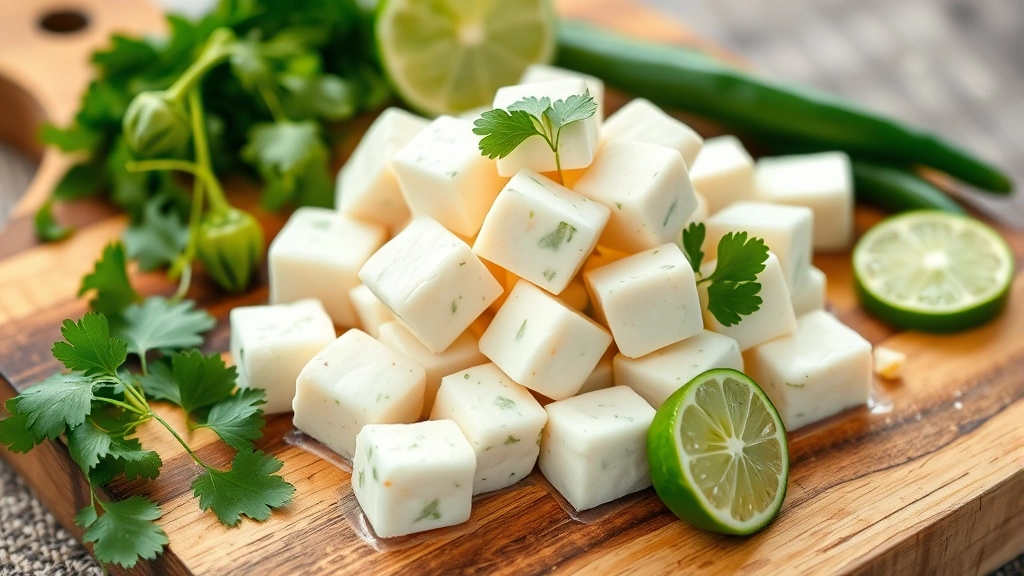
Paneer, the beloved fresh cheese of South Asian cuisine, has transcended regional boundaries to become a global superfood staple. Whether you’re a fitness enthusiast, a vegetarian seeking protein alternatives, or simply curious about what you’re consuming, understanding paneer nutrition is essential. This comprehensive guide breaks down the nutritional profile of paneer, explores its health benefits, and addresses common misconceptions—all from a registered dietitian perspective.
As a versatile ingredient featured in everything from traditional curries to modern protein bowls, paneer deserves closer examination. Unlike aged cheeses, paneer’s fresh nature means it retains specific nutritional characteristics that make it uniquely valuable for certain dietary goals. We’ll explore why paneer has earned its reputation and help you determine whether it fits your nutritional needs.
Understanding Paneer: What Makes It Unique
Paneer is a non-aged, non-melting fresh cheese made by curdling milk with an acid—typically lemon juice or vinegar. This simple production method distinguishes it from hard cheeses like cheddar or aged varieties. The process preserves heat-sensitive nutrients that cooking destroys in other cheese-making techniques, making paneer nutritionally distinct from its aged counterparts.
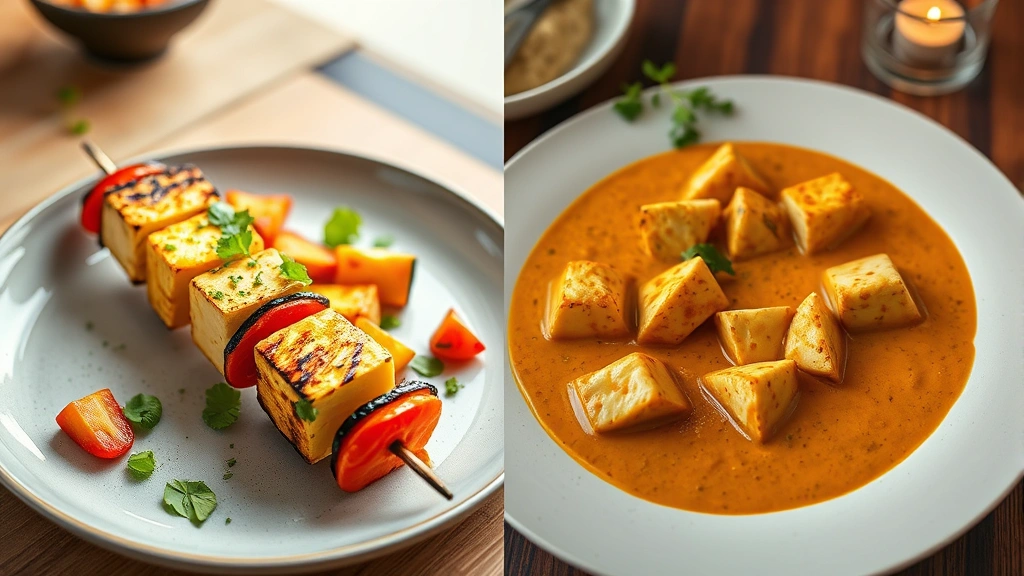
The texture and composition of paneer make it ideal for high-heat cooking. Unlike mozzarella or cheddar, paneer maintains its shape when grilled, fried, or baked, making it a preferred choice in Indian, Pakistani, and Bangladeshi cuisines. This culinary advantage aligns with its nutritional profile—paneer is lower in fat than many traditional cheeses while delivering substantial protein content.
Understanding paneer’s production process helps explain why it ranks differently on nutritional comparisons. As a fresh cheese, paneer hasn’t undergone the aging process that concentrates nutrients and increases sodium levels in aged varieties. This characteristic makes paneer a cleaner, less processed-feeling option for health-conscious consumers.
Complete Nutritional Breakdown
Per 100 grams of paneer, here’s what you’re consuming:
- Calories: 265-330 (varies by fat content)
- Protein: 20-28 grams
- Fat: 20-25 grams
- Carbohydrates: 1-3 grams
- Calcium: 200-400 mg (20-40% daily value)
- Phosphorus: 200-300 mg
- Sodium: 100-400 mg (varies significantly by brand)
- Selenium: 10-15 mcg
- Zinc: 2-3 mg
These figures represent standard paneer made from whole milk. Low-fat versions exist but are less common in traditional markets. The variation in nutritional content depends on milk source, production method, and whether additional ingredients are added. Using our nutrition facts label generator can help you track paneer’s exact contribution to your daily intake.
One critical insight: paneer’s carbohydrate content remains negligible, making it exceptionally valuable for low-carb and ketogenic diets. The minimal lactose content (less than 1 gram per 100g) also benefits those with mild lactose sensitivity, though individuals with severe lactose intolerance should still exercise caution.
Protein Content and Muscle Building
Paneer’s protein profile ranks it among the most protein-dense foods available. At 20-28 grams per 100 grams, paneer delivers comparable protein to chicken breast while offering a vegetarian alternative. For athletes and fitness enthusiasts, this makes paneer invaluable. Our guide on nutrition for athletes optimizing performance through diet emphasizes protein’s role in muscle recovery—paneer excels in this domain.
The amino acid profile of paneer contains all nine essential amino acids, making it a complete protein source. This completeness is crucial for vegetarians who may struggle to obtain complete proteins from plant sources alone. The branched-chain amino acids (BCAAs)—leucine, isoleucine, and valine—present in paneer are particularly important for muscle protein synthesis.
Dietitians often recommend paneer as a primary protein source for vegetarian athletes because it provides the amino acid density needed for strength training without the processing involved in plant-based protein powders. A 200-gram serving of paneer delivers approximately 40-56 grams of complete protein, meeting substantial portions of daily protein requirements in a single ingredient.
The digestibility of paneer protein is exceptionally high, with studies indicating 90%+ bioavailability. This means your body can efficiently utilize nearly all the protein consumed, unlike some plant proteins with lower absorption rates. For individuals following the nutrition care process, paneer serves as a reliable, trackable protein source.
Fat Profile and Heart Health
Paneer contains 20-25 grams of fat per 100 grams, with approximately 50-60% being saturated fat. This saturated fat content generates health debates, yet the reality is more nuanced than traditional dietary guidelines suggest. Recent research from major nutrition institutions indicates that the relationship between dairy fat and cardiovascular disease is more complex than previously understood.
The fat in paneer includes conjugated linoleic acid (CLA), a compound with potential anti-inflammatory and metabolic benefits. Additionally, paneer provides fat-soluble vitamins A, D, E, and K2, which require dietary fat for absorption. The fat content should be viewed contextually—paneer’s saturated fat differs nutritionally from processed meat sources.
For individuals concerned about fat intake, low-fat paneer alternatives exist, though they sacrifice some nutrient density and satiety. The fat in paneer contributes to satiety signals, helping you feel fuller longer—an advantage for weight management despite the higher caloric density. When compared to processed protein sources, paneer’s fat profile remains relatively favorable.
A 2023 meta-analysis published in leading nutrition journals found that full-fat dairy consumption showed neutral or slightly beneficial cardiovascular outcomes in most populations, particularly when consumed in moderation as part of a balanced diet. This supports paneer’s inclusion in heart-healthy eating patterns, provided portion control is maintained.
Vitamins and Minerals in Paneer
Beyond macronutrients, paneer delivers impressive micronutrient density. The calcium content—200-400 mg per 100 grams—makes paneer an excellent dairy source for bone health, particularly valuable for vegetarians who may limit other calcium-rich foods.
Key micronutrients in paneer include:
- Vitamin B12: Essential for vegetarians; paneer provides 0.4-0.7 mcg per 100g
- Vitamin A: 80-150 IU per 100g, supporting vision and immune function
- Phosphorus: Works synergistically with calcium for bone mineralization
- Selenium: A potent antioxidant supporting thyroid function
- Zinc: Critical for immune response and wound healing
- Riboflavin (B2): Supports energy metabolism
The bioavailability of these minerals in paneer is notably high. Calcium and phosphorus exist in ratios that optimize absorption, making paneer more efficient for bone health than isolated calcium supplements. For individuals developing a healthy nutrition plan: a guide to eating well for life, paneer serves as a nutrient-dense cornerstone ingredient.
Vitamin B12 content makes paneer particularly valuable for vegetarians and vegans (though vegans cannot consume paneer). The bioavailable B12 in dairy products like paneer is absorbed more efficiently than fortified plant-based alternatives, supporting neurological function and red blood cell formation.
Paneer for Weight Management
Despite its caloric density, paneer can support weight management goals when consumed strategically. The high protein and moderate fat content create satiety, reducing overall caloric intake by promoting fullness. Studies on dairy protein indicate that individuals consuming adequate protein alongside whole foods experience reduced hunger hormones and increased metabolic activity.
The thermic effect of protein—the calories burned during digestion—means paneer’s protein content requires more energy to process than carbohydrates or fats. This metabolic advantage contributes to weight management when paneer replaces less nutrient-dense foods. A 150-gram serving provides approximately 30 grams of protein for roughly 400 calories—a favorable protein-to-calorie ratio.
For weight loss, paneer works best when incorporated into balanced meals with vegetables and whole grains. Paneer curry made with tomato-based sauces and minimal oil provides substantial nutrition without excessive calories. Grilled paneer with vegetable sides offers satisfying meals under 500 calories while delivering complete nutrition.
The low carbohydrate content makes paneer ideal for individuals following low-carb or ketogenic diets. Paneer cheese cubes with nuts and vegetables create portable, satiating snacks that stabilize blood sugar and prevent energy crashes. For those managing metabolic health, paneer’s minimal impact on blood glucose offers advantages over higher-carb protein sources.
Digestibility and Lactose Considerations
Paneer’s fresh nature means it retains minimal lactose—typically less than 1 gram per 100 grams. This low lactose content makes paneer more tolerable for individuals with lactose sensitivity compared to aged cheeses or milk. However, those with severe lactose intolerance or dairy allergies should still exercise caution, as paneer does contain milk proteins and residual lactose.
The digestibility of paneer is exceptionally high, with most individuals absorbing nutrients efficiently. The fresh cheese structure is softer than aged varieties, requiring less digestive effort. This makes paneer suitable for individuals with compromised digestive function, provided they don’t have dairy sensitivities.
For those with mild lactose intolerance, paneer often proves more tolerable than milk or cream-based products. The fermentation and curdling process reduces lactose content significantly. However, individuals should test personal tolerance, as responses vary based on the severity of lactose malabsorption.
Paneer’s casein protein structure differs slightly from other dairy sources, sometimes proving more digestible for sensitive individuals. The lack of additional enzymes or cultures used in aged cheese production means paneer contains fewer bioactive compounds that might trigger digestive responses in susceptible people.
Comparing Paneer to Other Cheeses
How does paneer stack against popular cheese alternatives? Here’s a comparative analysis:
- vs. Cheddar: Paneer contains 20-28g protein vs. cheddar’s 23-25g; however, cheddar contains 700+ mg sodium per 100g versus paneer’s 100-400mg. Paneer offers superior freshness and lower processing.
- vs. Mozzarella: Fresh mozzarella contains 28g protein but higher water content (50% vs. paneer’s 40%). Paneer provides superior calcium density due to lower moisture.
- vs. Feta: Feta contains similar protein (14-21g) but significantly higher sodium (1200+ mg per 100g). Paneer wins for individuals monitoring sodium intake.
- vs. Cottage Cheese: Cottage cheese offers slightly higher protein (14g per 100g serving) but requires refrigeration and has shorter shelf life. Paneer maintains structural integrity through cooking.
The key advantage paneer holds over most cheeses is its balance of high protein, moderate fat, low sodium (in unsalted versions), and minimal processing. For individuals seeking whole-food nutrition without additives, paneer outperforms most commercial cheese products.
Best Practices for Paneer Consumption
Portion Control: Standard serving sizes range from 100-150 grams (roughly one-third to one-half cup). This provides 20-42 grams of protein while maintaining reasonable caloric intake. Dietitians recommend paneer as an occasional rather than daily staple due to saturated fat content, though individual tolerance varies.
Preparation Methods: Grilling, baking, and light sautéing preserve nutritional content better than deep frying. Paneer pakora (deep-fried) can exceed 400 calories per serving, while grilled paneer maintains 150-200 calories. The preparation method significantly impacts nutritional outcomes.
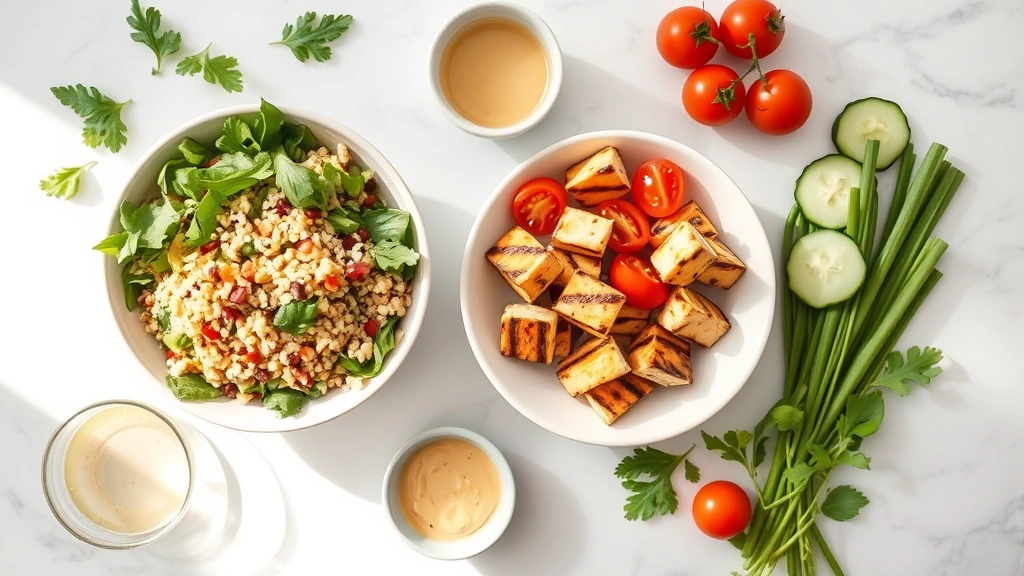
Pairing Strategies: Combine paneer with fiber-rich vegetables and whole grains to create balanced meals. Paneer tikka with quinoa and roasted vegetables, or paneer bhurji with whole wheat roti, provides complete nutrition. These combinations improve satiety and blood sugar stability.
Storage Considerations: Fresh paneer should be consumed within 3-5 days when refrigerated in water. Frozen paneer lasts 3-4 months but may develop slightly altered texture. Proper storage maintains nutritional integrity and food safety.
Individual Factors: Those with dairy allergies, severe lactose intolerance, or specific health conditions should consult healthcare providers before consuming paneer. Individuals on sodium-restricted diets should verify paneer sodium content, as production methods vary. Our nutrients pathway blog provides ongoing nutritional guidance for specific health conditions.
The relationship between diet and mental health also matters—paneer’s nutrient density supports cognitive function and mood regulation. Research on nutrition and mental health: how your diet impacts your brain indicates that complete proteins and micronutrient-dense foods like paneer support neurotransmitter production and mental wellbeing.
FAQ
Is paneer good for weight loss?
Paneer can support weight loss when consumed in appropriate portions (100-150g servings) as part of balanced meals. The high protein content promotes satiety, reducing overall caloric intake. However, paneer’s caloric density means portion control is essential. Grilled or baked preparations work better than fried versions for weight loss goals.
Does paneer contain lactose?
Paneer contains minimal lactose—typically less than 1 gram per 100 grams. This makes it more tolerable than milk or cream for individuals with mild lactose sensitivity. However, those with severe lactose intolerance or dairy allergies should avoid paneer, as it still contains milk proteins and trace lactose.
How much protein does paneer contain?
Paneer contains 20-28 grams of protein per 100 grams, making it one of the most protein-dense foods available. A 150-gram serving provides approximately 30-42 grams of complete protein containing all nine essential amino acids.
Can vegetarians rely on paneer as their primary protein source?
Paneer can serve as a significant protein source for vegetarians, providing complete amino acid profiles. However, dietitians recommend variety—combining paneer with legumes, nuts, seeds, and whole grains ensures diverse micronutrient intake and prevents nutritional gaps.
Is paneer high in sodium?
Sodium content varies significantly by brand and production method, ranging from 100-400mg per 100 grams. Homemade paneer typically contains less sodium than commercial versions. Individuals on sodium-restricted diets should verify specific product labels.
What’s the best way to cook paneer to preserve nutrition?
Grilling, baking, and light sautéing preserve nutritional content better than deep frying. These methods maintain protein integrity, preserve heat-sensitive micronutrients, and reduce added fat. Cooking temperatures below 160°C (320°F) minimize nutrient degradation.
Is paneer suitable for people with high cholesterol?
Paneer’s saturated fat content requires consideration for individuals managing cholesterol. However, recent research suggests dairy fat’s relationship with cholesterol is more nuanced than previously believed. Individuals should consume paneer in moderation and consult healthcare providers about individual tolerance, particularly those on cholesterol-lowering medications.


