Parmigiano Reggiano Benefits? Dietitian Insights on Nutritional Information
Parmigiano Reggiano stands as one of the world’s most celebrated cheeses, commanding premium prices and fierce loyalty from culinary professionals and home cooks alike. Beyond its distinctive umami flavor and crystalline texture, this Italian cheese offers a complex nutritional profile that deserves serious examination. Modern dietitians recognize that understanding parmigiano reggiano nutritional information requires moving past simple calorie counts to explore how this ingredient contributes to overall dietary patterns and health outcomes.
The aged cheese category has undergone significant nutritional reassessment in recent years. Where traditional dietary guidance once warned against full-fat dairy products, contemporary nutrition science—supported by Harvard School of Public Health research—acknowledges the nuanced benefits of fermented dairy foods. Parmigiano Reggiano’s concentrated nutrients, minimal lactose content, and bioavailable minerals position it differently than fresh cheeses or processed dairy alternatives.
Nutritional Breakdown and Macronutrients
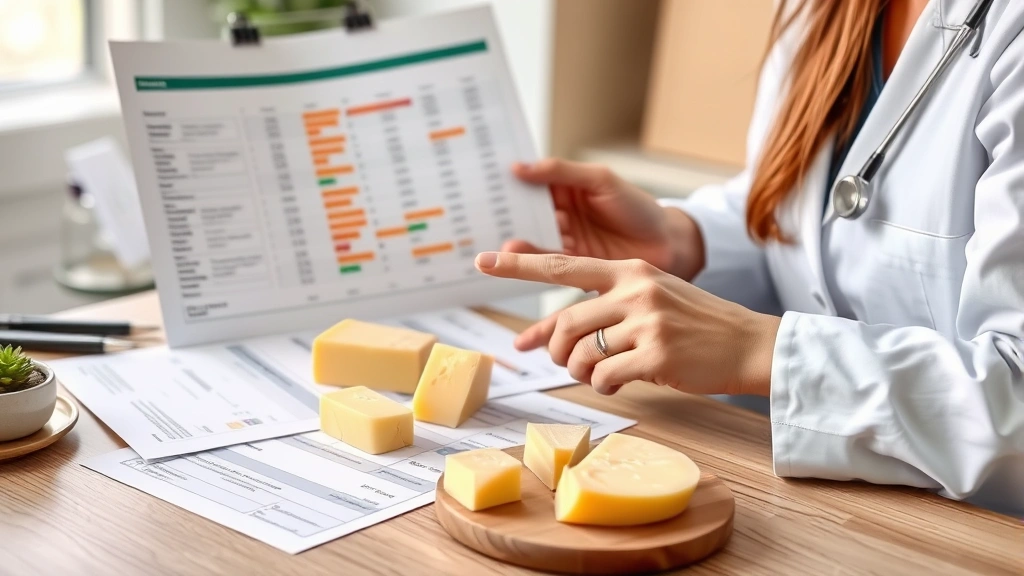
A single ounce (28 grams) of Parmigiano Reggiano contains approximately 110 calories, with macronutrient distribution heavily weighted toward protein and fat. The cheese delivers roughly 10 grams of protein per ounce, making it an exceptionally concentrated protein source—comparable to lean meat servings when accounting for portion size. This protein density explains why professional chefs and fitness-focused individuals incorporate small quantities into dishes rather than consuming large servings.
The fat content in Parmigiano Reggiano comprises approximately 7 grams per ounce, consisting mainly of saturated fat alongside monounsaturated and polyunsaturated varieties. Recent meta-analyses published in The American Journal of Clinical Nutrition indicate that saturated fat from fermented dairy sources affects cardiovascular markers differently than saturated fat from processed foods. The presence of bioactive compounds like conjugated linoleic acid (CLA) and butyric acid may modulate the metabolic impact of the cheese’s fat content.
Carbohydrate content remains negligible in aged Parmigiano Reggiano—typically less than 1 gram per ounce. During the 24-month aging process mandated by Protected Designation of Origin (PDO) regulations, lactose ferments into lactic acid, making the cheese suitable for individuals with lactose sensitivity. This biochemical transformation distinguishes authentic Parmigiano Reggiano from younger cheeses and mass-produced alternatives.

Calcium and Bone Health Benefits
Parmigiano Reggiano delivers approximately 330 milligrams of calcium per ounce—roughly one-third of the recommended daily intake for adults. The bioavailability of this calcium exceeds that found in many plant-based sources, as the cheese’s acidic environment and casein protein matrix facilitate mineral absorption. Individuals seeking to optimize healthy nutrition plans often overlook how modest cheese portions contribute meaningfully to calcium intake without requiring large serving sizes.
The relationship between dairy calcium and skeletal health remains one of nutrition science’s most robust findings. The National Osteoporosis Foundation emphasizes that calcium from fermented dairy products supports bone mineral density maintenance across lifespan stages. For postmenopausal women and aging adults, the calcium concentration in Parmigiano Reggiano offers practical dietary support without excessive caloric intake.
Beyond simple calcium provision, the cheese contains phosphorus in favorable ratios that enhance calcium utilization. The protein-calcium synergy in aged cheeses supports both bone formation and the maintenance of muscle mass—factors increasingly recognized as interdependent in gerontological nutrition research. Studies examining dietary patterns in Mediterranean populations, where Parmigiano Reggiano features prominently, show lower osteoporosis prevalence compared to populations consuming equivalent calcium through supplementation.
Protein Content for Muscle Development
The concentrated protein in Parmigiano Reggiano positions it as a strategic ingredient in nutrition for building muscle mass protocols. The cheese provides all nine essential amino acids in complete protein form, with particularly high concentrations of branched-chain amino acids (BCAAs)—especially leucine, which activates mTOR signaling pathways crucial for muscle protein synthesis.
Resistance training athletes often incorporate Parmigiano Reggiano into post-workout meals precisely because the amino acid profile supports muscular adaptation without requiring substantial portion sizes. A modest 30-gram serving (approximately one ounce) provides 10 grams of protein alongside compounds that may enhance nutrient absorption. This efficiency matters for individuals managing total caloric intake while maintaining protein targets.
The aging process concentrates free amino acids and peptides, creating compounds that enhance flavor while potentially improving digestibility and absorption. Umami taste receptors respond to glutamate—abundant in aged Parmigiano Reggiano—and this sensory feedback may facilitate satiety signaling, reducing overall consumption volumes compared to less flavorful protein sources.
Micronutrients and Bioavailability
Beyond macronutrient consideration, Parmigiano Reggiano delivers significant micronutrient density. The cheese provides selenium (approximately 15% of daily value per ounce), supporting thyroid function and antioxidant defense. Zinc content—roughly 8% of daily value—contributes to immune function, wound healing, and protein synthesis processes. Vitamin B12, absent from plant foods, appears in meaningful quantities through the cheese’s animal origin.
The bioavailability of these micronutrients reflects the cheese’s fermentation state and composition. The acidic environment created by lactic acid fermentation enhances mineral absorption by preventing mineral-binding compounds. Unlike fresh cheeses, aged Parmigiano Reggiano presents minerals in forms readily absorbed by human intestinal epithelium.
Selenium and zinc work synergistically with the cheese’s fat-soluble vitamin content—particularly vitamin A from milk’s carotenoid precursors. The fat matrix in cheese enhances absorption of these lipophilic compounds, explaining why small cheese portions deliver micronutrient benefits exceeding those from equivalent protein quantities in lean protein sources.
Lactose Content and Digestibility
One of Parmigiano Reggiano’s most significant advantages for digestive tolerance stems from its minimal lactose content. During the 24-month aging period, resident bacteria and enzymatic action ferment lactose into lactic acid. Analytical testing confirms that authentic Parmigiano Reggiano contains less than 0.1 grams of lactose per ounce—negligible compared to fresh milk’s 0.7 grams per ounce.
This lactose reduction makes Parmigiano Reggiano tolerable for individuals with lactose intolerance who experience discomfort consuming fresh dairy products. The distinction matters significantly for populations with hypolactasia—particularly those of African, East Asian, and Mediterranean descent, where lactase persistence varies substantially. Dietitians frequently recommend aged cheeses to clients seeking dairy’s nutritional benefits without digestive compromise.
Beyond lactose, the aged cheese’s protein structure undergoes significant modification during fermentation. Proteolysis—the breakdown of casein into peptides and amino acids—may enhance digestibility and reduce inflammatory responses in sensitive individuals. Some emerging research suggests that fermented dairy products affect gut microbiota differently than fresh dairy, potentially supporting beneficial bacterial colonization patterns.
Sodium Considerations and Health
Sodium content represents the primary nutritional consideration warranting dietitian caution with Parmigiano Reggiano. A single ounce contains approximately 450 milligrams of sodium—roughly 20% of the recommended daily limit. This concentration reflects salt’s essential role in cheese preservation and flavor development. For individuals managing hypertension or following sodium-restricted protocols, portion control becomes critical.
However, context matters substantially. The modest serving sizes typical in culinary applications—grated over pasta, risotto, or salads—deliver flavor impact without excessive sodium accumulation. A tablespoon of grated Parmigiano Reggiano (approximately 5 grams) provides roughly 225 milligrams of sodium, meaningful but manageable within daily targets. The intense flavor saturation means smaller quantities satisfy taste preferences compared to milder cheeses.
Research from The American College of Cardiology suggests that dietary patterns matter more than individual ingredient sodium content. Individuals consuming predominantly whole foods with modest cheese additions typically maintain sodium intake within recommended ranges, whereas those relying on processed foods exceed limits regardless of cheese consumption.
Practical Serving Recommendations
Dietitian consensus supports incorporating Parmigiano Reggiano into balanced dietary patterns through strategic portioning. A daily serving of one ounce (28 grams) provides meaningful nutritional contribution—approximately 330 milligrams calcium, 10 grams protein, and micronutrient density—without excessive caloric or sodium impact. This quantity typically translates to roughly 2-3 tablespoons of grated cheese.
Integration strategies matter significantly. Combining Parmigiano Reggiano with vegetable-dominant dishes—as in traditional Italian preparations—provides nutrient synergy. The cheese’s umami compounds enhance vegetable palatability, potentially increasing overall produce consumption. Pairing with whole grain pastas or legumes creates complete protein profiles with enhanced mineral bioavailability compared to isolated cheese consumption.
For individuals pursuing nutrition and mental health optimization, the B vitamins and choline present in Parmigiano Reggiano support neurochemical synthesis. The cheese’s amino acid profile—particularly tyrosine and phenylalanine—serves as precursor material for dopamine and norepinephrine production, potentially supporting cognitive function and mood regulation.
Comparison with alternative cheese options reveals Parmigiano Reggiano’s efficiency. Cheddar, mozzarella, and processed cheese products often require larger quantities to achieve equivalent flavor impact, resulting in higher overall sodium and calorie intake. The concentrated flavor profile of aged Parmigiano Reggiano permits portion control that younger cheeses cannot match.
Storage and freshness considerations affect nutritional content. Authentic Parmigiano Reggiano, when properly stored in cool conditions, maintains nutritional integrity for extended periods. The hard texture resists spoilage, and the aged product remains shelf-stable longer than fresh dairy products. Purchasing whole wedges and grating immediately before use maximizes micronutrient preservation compared to pre-grated alternatives exposed to oxidation.
FAQ
Is Parmigiano Reggiano healthy for daily consumption?
Parmigiano Reggiano can support daily nutrition when incorporated in appropriate portions—typically one ounce or less. The concentrated protein, calcium, and micronutrient density offer health benefits, while modest serving sizes manage sodium and caloric intake. Individual tolerability depends on dietary goals, existing health conditions, and overall dietary patterns rather than the cheese itself.
Does Parmigiano Reggiano contain probiotics like yogurt?
Authentic Parmigiano Reggiano contains residual bacterial cultures from fermentation, though the 24-month aging and salting process limits viable probiotic populations compared to yogurt or kefir. The cheese provides prebiotic compounds and fermentation byproducts that may support beneficial gut bacteria, but it shouldn’t be considered a primary probiotic source.
How does Parmigiano Reggiano compare nutritionally to other aged cheeses?
Parmigiano Reggiano typically offers superior calcium concentration (330mg per ounce) compared to Gruyère (287mg) or aged cheddar (202mg), while maintaining comparable protein levels. The PDO production standards ensure consistent nutritional profiles, whereas non-regulated aged cheeses show greater variation. Sodium content remains comparable across aged varieties.
Can individuals with lactose intolerance safely consume Parmigiano Reggiano?
Most individuals with lactose intolerance tolerate Parmigiano Reggiano well, as lactose fermentation during aging reduces content below symptom-triggering thresholds. However, sensitivity varies individually, and those with severe intolerance should introduce the cheese gradually. Testing tolerance with small quantities provides personalized guidance.
What distinguishes authentic Parmigiano Reggiano from imitations nutritionally?
PDO-certified Parmigiano Reggiano follows strict production standards ensuring 24-month minimum aging, specific bacterial cultures, and ingredient controls. These standards guarantee consistent micronutrient profiles and minimal additives. Mass-produced imitations often contain additives, shorter aging periods, and less reliable nutritional composition. The regulatory framework ensures authenticity correlates with nutritional quality.
Does the fat in Parmigiano Reggiano negatively impact cholesterol levels?
Emerging research suggests that saturated fat from fermented dairy sources like Parmigiano Reggiano affects cardiovascular markers differently than saturated fat from processed foods. The cheese’s bioactive compounds, including CLA and butyric acid, may provide cardioprotective effects. Individual responses vary, and those managing cholesterol should discuss cheese consumption with healthcare providers rather than assuming universal restriction.