
Peanut Nutrition Facts: Dietitian Insights
Peanuts are one of the most misunderstood foods in modern nutrition. Despite their name, peanuts aren’t true nuts—they’re legumes that grow underground, belonging to the same family as beans and lentils. This distinction matters because it explains their unique nutritional profile and why registered dietitians increasingly recommend them as a cornerstone of heart-healthy eating patterns. Understanding peanut nutrition facts goes beyond simple calorie counting; it requires examining protein quality, healthy fat composition, micronutrient density, and how peanuts fit into evidence-based dietary frameworks.
Over the past two decades, nutritional science has dramatically shifted our understanding of peanuts from a guilty pleasure to a legitimate functional food. Major health organizations now recognize peanuts as a legitimate protein source and incorporate them into dietary guidelines. Whether you’re managing weight, building muscle, or optimizing cardiovascular health, peanut nutrition facts reveal compelling reasons to include them in your daily diet. This comprehensive guide draws from current research, dietitian expertise, and clinical evidence to help you make informed decisions about peanut consumption.
Complete Nutritional Breakdown Per Ounce
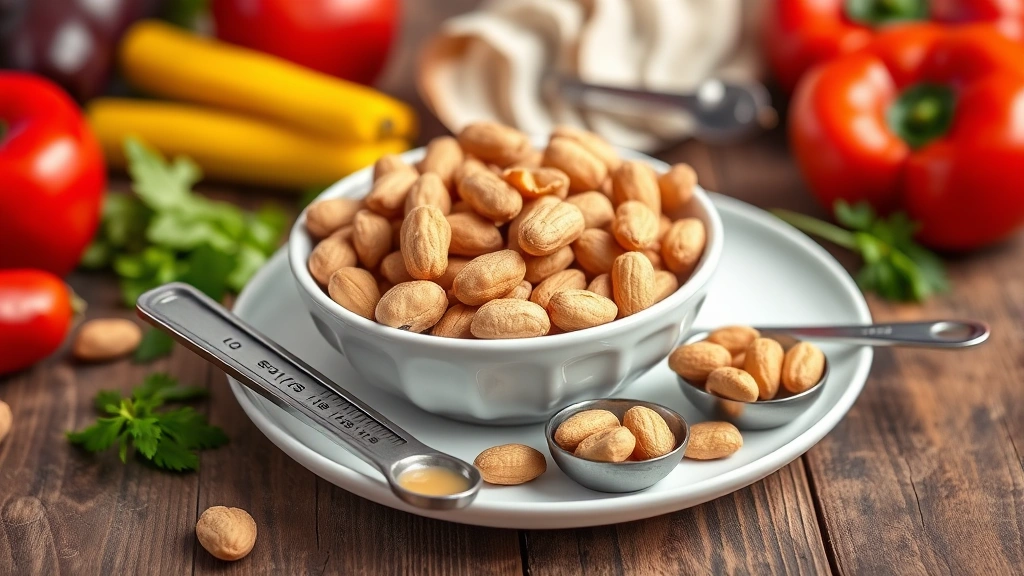
Understanding peanut nutrition facts starts with baseline numbers. One ounce of dry-roasted peanuts (approximately 23 peanuts) contains roughly 160 calories, 7 grams of protein, 14 grams of fat, 6 grams of carbohydrates, and 2.5 grams of dietary fiber. These macronutrient ratios make peanuts exceptionally nutrient-dense compared to many snack foods. The caloric density reflects their fat content, but as dietitians emphasize, this isn’t a nutritional liability—it’s a feature that provides satiety and enables absorption of fat-soluble vitamins.
Raw peanuts offer slightly different nutritional profiles than roasted varieties. Raw peanuts contain marginally higher levels of certain antioxidants because the roasting process can modify some phytonutrient compounds. However, roasting enhances flavor and improves digestibility for some individuals. When examining peanut nutrition facts on commercial products, pay attention to added sodium and oils. Lightly salted or unsalted varieties preserve the nutritional integrity better than heavily processed options with added sugars or hydrogenated oils.
The Nutrition Facts Label Generator can help you calculate precise nutritional values for specific peanut products and serving sizes. This tool proves invaluable when comparing brands or determining how peanuts fit into your individual healthy nutrition plan. Different varieties—Virginia, Spanish, Valencia, and Runner peanuts—show minor nutritional variations, though these differences are negligible for practical dietary purposes.
Protein Quality and Amino Acid Profile
Peanut nutrition facts reveal an impressive protein story. With 7 grams of protein per ounce, peanuts provide approximately 14% of the daily value based on a 2,000-calorie diet. More importantly, peanut protein contains all nine essential amino acids, making it a complete protein source—a rarity among plant-based foods. This completeness is particularly significant for vegetarians, vegans, and athletes seeking plant-based protein alternatives to animal products.
The amino acid profile includes lysine, methionine, threonine, tryptophan, phenylalanine, leucine, isoleucine, valine, and histidine. While peanuts contain lower methionine levels compared to animal proteins, this limitation is easily overcome by combining peanuts with complementary proteins like whole grains, which are rich in methionine but lower in lysine. This nutritional synergy explains why traditional food combinations—peanut butter and whole wheat bread, for example—create superior amino acid profiles than either food alone.
Protein digestibility is another crucial aspect of peanut nutrition facts. Research published in the Journal of the American Dietetic Association demonstrates that peanut protein has a digestibility score comparable to other legumes, with bioavailability enhanced by cooking. The protein in peanuts supports muscle maintenance, immune function, hormone production, and cellular repair. For individuals following the Nutrition Care Process, peanut protein becomes particularly valuable in therapeutic nutrition interventions.
Healthy Fats and Heart Health Benefits
Perhaps the most revolutionary shift in understanding peanut nutrition facts involves recognizing the health benefits of peanut fats. Approximately 80% of peanut fat comes from unsaturated fatty acids, with roughly 50% as monounsaturated fat and 30% as polyunsaturated fat. These are the same heart-protective fats emphasized in Mediterranean diet research and endorsed by the American Heart Association.
The specific fatty acid composition includes oleic acid (the primary monounsaturated fat also found in olive oil), linoleic acid (an essential omega-6 polyunsaturated fat), and alpha-linolenic acid (an omega-3 polyunsaturated fat). Only 20% of peanut fat consists of saturated fat, and importantly, peanuts contain zero trans fats when minimally processed. This fatty acid profile explains why multiple epidemiological studies show peanut consumption correlates with improved cholesterol levels and reduced cardiovascular disease risk.
The fat in peanuts also facilitates absorption of fat-soluble vitamins including vitamins A, D, E, and K. Vitamin E, which peanuts provide in meaningful quantities, functions as a potent antioxidant protecting cells from oxidative stress. When examining peanut nutrition facts within the context of overall dietary patterns, the fat content should be viewed as a feature supporting nutrient absorption and satiety rather than a concern requiring avoidance.
Micronutrients and Essential Minerals
Beyond macronutrients, peanut nutrition facts encompass an impressive array of micronutrients. One ounce of peanuts provides 10% of the daily value for magnesium, a mineral critical for muscle function, energy production, and nervous system health. Magnesium deficiency is remarkably common in Western populations, making peanuts a practical dietary source.
Peanuts also deliver significant quantities of phosphorus (12% DV), manganese (11% DV), and copper (7% DV). These minerals support bone health, metabolic function, and connective tissue formation. The vitamin E content (6% DV per ounce) makes peanuts one of the few plant-based foods providing meaningful antioxidant protection. Folate, important for DNA synthesis and cell division, appears in peanuts at 5% of the daily value.
Additionally, peanuts contain biotin, niacin, and pantothenic acid—B vitamins essential for energy metabolism and cellular function. The mineral content of peanuts makes them particularly valuable for individuals with increased nutrient needs, including pregnant women, athletes, and those recovering from illness. Registered dietitians often recommend peanuts specifically for clients needing to optimize mineral intake through whole food sources rather than supplements.
Fiber Content and Digestive Health
Peanut nutrition facts include 2.5 grams of dietary fiber per ounce—approximately 10% of the daily recommended intake. This fiber content supports digestive health, feeds beneficial gut bacteria, and promotes satiety. The fiber in peanuts is predominantly insoluble fiber, which adds bulk to stool and promotes regular bowel movements, complementing the soluble fiber found in other sources.
Understanding the relationship between dietary fiber and your health becomes essential when incorporating peanuts into your diet. Adequate fiber intake is associated with lower risks of colorectal cancer, type 2 diabetes, and cardiovascular disease. The fiber-to-calorie ratio in peanuts is exceptional—you receive substantial fiber without excessive calories, making peanuts ideal for individuals managing weight while maintaining digestive health.
Peanut skins contain particularly high concentrations of antioxidants and fiber, which explains why whole peanuts with skins intact offer superior nutritional value compared to blanched varieties. The tannins in peanut skins have anti-inflammatory properties and contribute to the overall antioxidant capacity of peanuts. For optimal fiber benefits, consuming peanuts in their whole form rather than as peanut butter provides greater mechanical benefits for digestive health.
Peanut Butter Versus Whole Peanuts
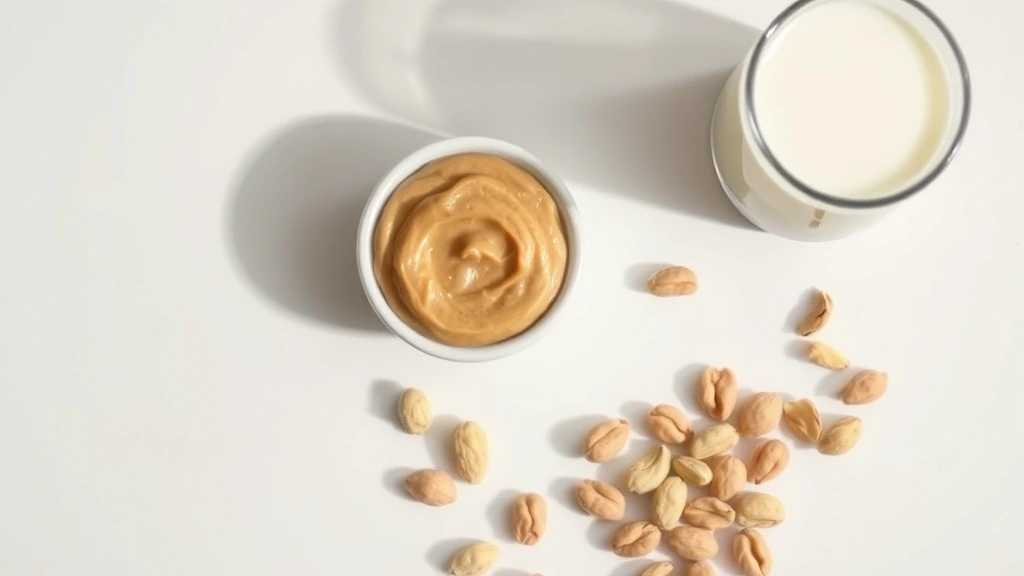
Peanut nutrition facts shift considerably when comparing whole peanuts to peanut butter. While peanut butter provides similar macronutrient ratios, the processing affects certain nutritional characteristics. Grinding peanuts into butter increases surface area exposure to oxygen, potentially reducing some antioxidant compounds through oxidation. Additionally, commercial peanut butters often contain added sugars, hydrogenated oils, and sodium not present in whole peanuts.
Natural peanut butter, containing only peanuts and salt, preserves nutritional integrity better than conventional varieties. However, whole peanuts maintain superior fiber content and require more chewing, which enhances satiety signaling and slows digestion. From a nutrition and mental health perspective, the slower digestion of whole peanuts provides more stable blood sugar and sustained energy compared to peanut butter.
The choice between peanut butter and whole peanuts depends on individual preferences, digestive capacity, and dietary goals. Individuals with difficulty chewing or swallowing may benefit from peanut butter, while those seeking maximum satiety and fiber benefits should prioritize whole peanuts. Many dietitians recommend incorporating both forms into a varied diet to maximize nutritional benefits and prevent dietary monotony.
Weight Management Considerations
Despite containing 160 calories per ounce, peanut nutrition facts support weight management when portion control and dietary context are considered. The combination of protein, fiber, and healthy fats creates exceptional satiety—research demonstrates that peanut consumption increases feelings of fullness and reduces subsequent calorie intake at following meals. This satiety effect makes peanuts particularly valuable for individuals managing weight long-term.
The caloric density of peanuts actually works in favor of weight management. Because peanuts are so nutrient-rich and satisfying, smaller portions provide substantial nutritional benefits and satiety compared to processed snacks with equivalent calories. A one-ounce serving of peanuts (approximately 23 peanuts) provides a complete snack with protein, fiber, and healthy fats—nutrients that prevent blood sugar crashes and subsequent hunger spikes.
Prospective cohort studies tracking thousands of individuals over years show that peanut and tree nut consumption correlates with lower body weight, smaller waist circumference, and reduced obesity risk. The mechanism involves increased satiety, enhanced thermogenesis (calorie burning during digestion), and improved metabolic health markers. For sustainable weight management, peanut nutrition facts support inclusion of one to two ounces daily as part of a balanced dietary pattern.
Allergen Information and Safety
Peanut allergies represent a significant health consideration, affecting approximately 1-3% of the population. Peanut allergies can trigger severe anaphylactic reactions requiring emergency medical intervention. Individuals with peanut allergies must avoid all peanut products and be aware of cross-contamination risks in food manufacturing facilities. Reading labels carefully and understanding peanut nutrition facts becomes safety-critical for allergic individuals and those preparing food for them.
For non-allergic individuals, peanuts present minimal safety concerns when sourced from reputable suppliers. Aflatoxin contamination, a potential concern in improperly stored peanuts, is strictly regulated in commercial products through FDA monitoring. Proper storage in cool, dry conditions prevents mold growth and aflatoxin development in home-stored peanuts.
Cross-reactivity between peanuts and tree nuts affects some individuals, though peanuts and tree nuts are botanically distinct. Individuals with tree nut allergies don’t automatically have peanut allergies, and vice versa, though some individuals experience both. Consulting with allergists regarding specific allergen concerns ensures safe incorporation of peanuts into dietary plans. For those without allergies, the safety profile of peanuts is excellent when properly sourced and stored.
Practical Serving Recommendations
Dietitian consensus supports consuming one to two ounces of peanuts daily as part of a balanced diet. This recommendation aligns with major health organization guidelines including those from the American Heart Association and Academy of Nutrition and Dietetics. One ounce represents an appropriate portion providing meaningful nutritional benefits without excessive calories—roughly equivalent to a small handful or approximately 23 individual peanuts.
Practical incorporation strategies include adding peanuts to salads, mixing them into oatmeal, combining them with whole grain crackers and cheese, or consuming them as a standalone snack with fruit. The versatility of peanuts makes dietary adherence sustainable. For individuals with higher caloric needs—athletes, physically active individuals, or those with increased energy requirements—two-ounce servings provide additional protein and energy without nutritional imbalance.
Timing peanut consumption strategically enhances nutritional benefits. Consuming peanuts as a snack between meals stabilizes blood sugar and prevents excessive hunger at subsequent meals. Pre-workout, peanuts provide sustained energy through their carbohydrate and fat content. Post-workout, the protein supports muscle recovery and adaptation. Consulting the Nutrients Pathway Blog provides additional evidence-based recommendations for optimizing peanut consumption within individual dietary contexts.
FAQ
How much protein do peanuts contain?
One ounce of peanuts provides 7 grams of protein, representing approximately 14% of the daily value. This protein is complete, containing all nine essential amino acids, making peanuts an excellent plant-based protein source equivalent to animal proteins in amino acid composition.
Are peanuts healthy for weight loss?
Yes, peanut nutrition facts support weight loss efforts. Despite their caloric density, peanuts provide exceptional satiety through protein, fiber, and healthy fat content. Research shows peanut consumption correlates with lower body weight and reduced obesity risk, making them valuable for sustainable weight management when portion-controlled.
What is the difference between raw and roasted peanuts nutritionally?
Raw and roasted peanuts have virtually identical macronutrient profiles. Roasting may slightly modify some antioxidant compounds but enhances flavor and digestibility. The choice between raw and roasted depends on personal preference, as nutritional differences are negligible for practical dietary purposes.
Do peanuts raise cholesterol?
No, peanut nutrition facts demonstrate cholesterol-lowering effects. The unsaturated fat content (80% of total fat) supports improved lipid profiles. Multiple epidemiological studies show peanut consumption correlates with lower LDL cholesterol and reduced cardiovascular disease risk.
How do peanuts compare to tree nuts nutritionally?
While peanuts and tree nuts share similar health benefits, they’re botanically distinct. Peanuts (legumes) typically contain slightly more protein and fiber than most tree nuts. Individuals with tree nut allergies may tolerate peanuts, though some experience both allergies. Nutritionally, both support heart health and should be included in balanced diets.
What is the best way to store peanuts?
Store peanuts in cool, dry conditions in airtight containers to prevent oxidation and moisture absorption. Refrigeration or freezing extends shelf life significantly. Proper storage prevents rancidity and maintains the nutritional integrity of peanut fats, preserving the health benefits of peanut nutrition facts.
Can peanuts help with blood sugar control?
Yes, peanut nutrition facts support stable blood sugar through their protein, fiber, and healthy fat content. These nutrients slow digestion and glucose absorption, preventing rapid blood sugar spikes. This makes peanuts particularly valuable for individuals with diabetes or prediabetes when consumed in appropriate portions.


