Pecan Nutrition Facts: Dietitian Insights
Pecans stand among nature’s most nutrient-dense foods, offering a remarkable profile of healthy fats, proteins, and essential micronutrients that make them a cornerstone of evidence-based nutrition strategies. According to registered dietitians and nutritional research, these tree nuts deliver substantial cardiovascular and metabolic benefits that extend far beyond their delicious taste. Understanding the comprehensive nutritional composition of pecans empowers consumers to make informed dietary choices aligned with their health objectives.
The scientific community has increasingly recognized pecans as functional foods capable of supporting weight management, heart health, and cognitive function. This comprehensive guide explores the detailed pecan nutrition facts that dietitian experts recommend, breaking down macronutrients, micronutrients, and the bioactive compounds that make pecans nutritionally exceptional. Whether you’re developing a healthy nutrition plan or optimizing your dietary intake, pecans deserve a prominent place in your nutritional strategy.
Macronutrient Profile and Caloric Content
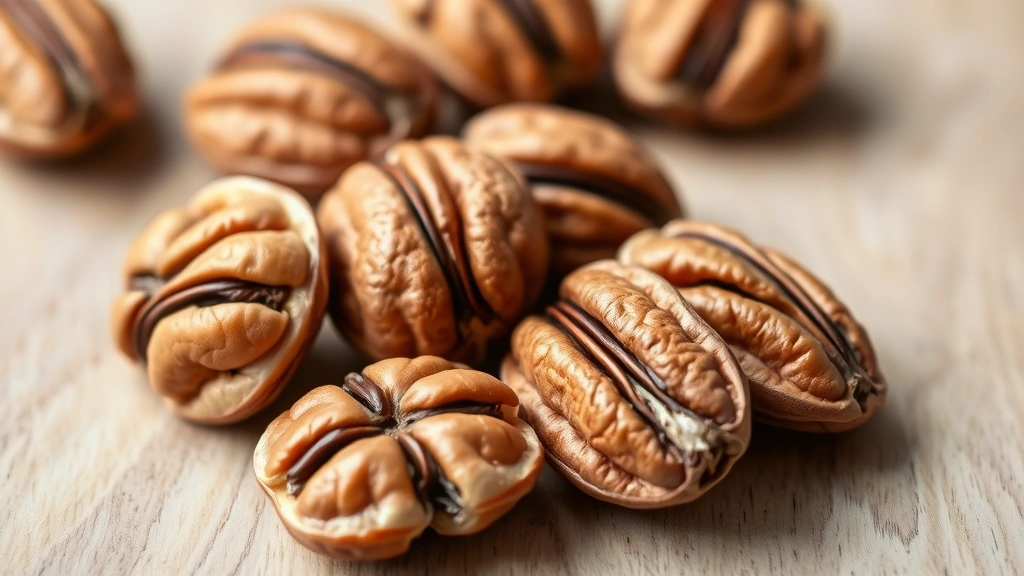
A one-ounce serving of pecans, approximately 23 whole nuts or 28 grams, contains roughly 196 calories, making them an energy-dense food that requires portion awareness. The macronutrient breakdown reveals that pecans derive approximately 71% of their calories from fat, 9% from protein, and 20% from carbohydrates, predominantly in the form of dietary fiber. This unique composition distinguishes pecans from many other plant-based protein sources and positions them strategically within various dietary frameworks.
The carbohydrate content in pecans totals approximately 3.9 grams per ounce, with dietary fiber accounting for 2.7 grams of this total. This substantial fiber content means that the net carbohydrates—calculated by subtracting fiber from total carbohydrates—amount to only 1.2 grams per ounce, making pecans exceptionally compatible with low-carbohydrate dietary approaches. Protein content reaches approximately 2.6 grams per ounce, providing amino acids that support muscle maintenance and metabolic function.
For individuals implementing nutrition for athletes, understanding these macronutrient ratios proves essential for optimizing pre-workout and post-workout nutrition strategies. The combination of easily digestible carbohydrates, quality protein, and sustained-release fats makes pecans an excellent nutritional addition to athletic performance protocols.
Healthy Fats and Cholesterol Management
The fat content in pecans deserves particular attention, as it represents the most abundant and functionally important macronutrient component. Per one-ounce serving, pecans contain approximately 20.4 grams of total fat, with the distribution heavily favoring unsaturated fatty acids. Monounsaturated fats comprise approximately 11.6 grams, while polyunsaturated fats contribute approximately 6.1 grams, and saturated fats account for only 1.7 grams.
This favorable fatty acid profile, documented extensively in American Heart Association guidelines, positions pecans as heart-healthy foods that actively support cardiovascular wellness. The predominance of oleic acid—a monounsaturated omega-9 fatty acid also found in olive oil—provides anti-inflammatory benefits that extend throughout the cardiovascular and neurological systems. Research indicates that regular pecan consumption correlates with improved cholesterol ratios, including elevated HDL cholesterol and reduced LDL cholesterol oxidation.
Pecans contain zero dietary cholesterol, making them an ideal choice for individuals managing cholesterol levels through dietary modification. The phytosterols present in pecans—plant-derived compounds structurally similar to cholesterol—actively compete with dietary cholesterol for absorption in the gastrointestinal tract, thereby reducing overall cholesterol bioavailability. This mechanism represents one of several pathways through which pecans support metabolic health and cardiovascular function.

Essential Micronutrients and Minerals
Beyond macronutrients, pecans deliver an impressive array of micronutrients and mineral compounds essential for optimal physiological function. One ounce of pecans provides approximately 1.2 milligrams of manganese, representing 60% of the daily recommended intake for this critical cofactor in bone metabolism, wound healing, and antioxidant enzyme systems. Manganese deficiency, though uncommon in developed nations, can compromise immune function and metabolic regulation.
The mineral content extends to copper, with pecans providing approximately 0.38 milligrams per ounce—roughly 42% of daily requirements. Copper plays indispensable roles in iron metabolism, collagen synthesis, and neurological function. Additionally, pecans deliver phosphorus (approximately 109 milligrams), magnesium (approximately 34 milligrams), and zinc (approximately 1.3 milligrams), each contributing to enzymatic reactions, bone health, and immune competence.
Vitamin E, a fat-soluble antioxidant, appears in pecans at approximately 0.4 milligrams per ounce. While this represents a modest percentage of daily requirements, the synergistic interaction between vitamin E and pecan polyphenols creates enhanced antioxidant protection. The B-vitamin profile includes thiamine, riboflavin, and niacin, supporting energy metabolism and neurological function. For comprehensive nutritional assessment, consulting the Nutrients Pathway Blog provides evidence-based insights into micronutrient interactions and bioavailability.
Antioxidants and Polyphenolic Compounds
The antioxidant capacity of pecans distinguishes them among nuts and significantly contributes to their health-promoting properties. Pecans rank exceptionally high in the ORAC (Oxygen Radical Absorbance Capacity) scale, a measure of antioxidant potency. Per 100-gram serving, pecans demonstrate ORAC values exceeding 10,000 μmol TE/100g, placing them among the highest-ranked plant foods for antioxidant activity.
The primary antioxidant compounds in pecans include ellagic acid, gallic acid, and various flavonoids including quercetin and kaempferol. These polyphenolic compounds exhibit multiple mechanisms of action against oxidative stress: direct free radical neutralization, metal ion chelation, and upregulation of endogenous antioxidant enzyme systems. Research published in the Journal of Agricultural and Food Chemistry demonstrates that pecan polyphenols remain remarkably stable through digestive processes, allowing bioavailability to intestinal tissues and systemic circulation.
The implications for nutrition and mental health prove particularly significant, as oxidative stress represents a documented contributor to neuroinflammation and cognitive decline. Pecan consumption may support neuroprotection through both direct antioxidant mechanisms and indirect anti-inflammatory pathways mediated by gut microbiota modulation.
Evidence-Based Health Benefits
Comprehensive nutritional research has established multiple health benefits associated with regular pecan consumption. Cardiovascular health represents the most extensively documented benefit, with prospective cohort studies demonstrating that nut consumption correlates with reduced cardiovascular mortality and improved lipid profiles. The mechanisms involve multiple pathways: improved arterial endothelial function through arginine-mediated nitric oxide production, reduced systemic inflammation through polyphenol-mediated NF-κB inhibition, and enhanced HDL functionality through apolipoprotein A-I augmentation.
Weight management benefits emerge from the combination of dietary fiber, protein, and fat that creates sustained satiety signaling. Despite their caloric density, regular pecan consumption in controlled portions correlates with improved weight maintenance and reduced visceral adiposity. The mechanism involves enhanced cholecystokinin release, prolonged gastric emptying, and reduced subsequent caloric intake at subsequent meals.
Metabolic health indicators improve with pecan consumption, including fasting glucose levels, insulin sensitivity markers, and hemoglobin A1c in individuals with prediabetic and diabetic states. The Harvard School of Public Health reports that nut consumption patterns associate with reduced type 2 diabetes incidence across multiple prospective cohort studies. Bone health also benefits from pecan consumption through multiple mechanisms: direct mineral provision (phosphorus, magnesium, copper, manganese) and enhanced mineral bioavailability through polyphenol-mediated improvements in intestinal absorption.
Cognitive function and neurodegenerative disease prevention represent emerging areas of pecan research. The antioxidant and anti-inflammatory compounds in pecans, combined with micronutrients supporting myelin formation and synaptic plasticity, create mechanistic rationale for neuroprotection. Preliminary epidemiological evidence suggests associations between nut consumption and reduced cognitive decline risk in aging populations.
Recommended Daily Intake Guidelines
Dietitian consensus recommendations suggest incorporating 1 to 1.5 ounces of pecans daily as part of a balanced dietary pattern. This quantity—approximately 23 whole pecans or two tablespoons of pecan pieces—provides approximately 196-294 calories while delivering concentrated micronutrients and bioactive compounds. For individuals implementing caloric restriction or managing weight, this portion size fits readily within most dietary frameworks without exceeding macronutrient targets.
Individuals with specific health objectives may benefit from modified intake patterns. Those prioritizing cardiovascular health may increase consumption toward the upper range of recommendations, as research suggests dose-dependent benefits up to approximately 1.5 ounces daily. Conversely, individuals managing caloric intake for weight loss should maintain stricter portion control, substituting pecans for less nutrient-dense foods rather than adding them to baseline consumption patterns.
For individuals following specific dietary frameworks—ketogenic, paleo, Mediterranean, or DASH diets—pecans integrate seamlessly. The importance of dietary fiber for your health becomes particularly evident when incorporating pecans, as they provide substantial fiber without the carbohydrate load characteristic of grain-based fiber sources.

Nutritional Comparison with Other Nuts
Comparative analysis reveals pecans’ distinctive nutritional positioning among tree nuts. When compared to almonds, pecans provide significantly higher monounsaturated fat content and superior ORAC antioxidant values, though almonds exceed pecans in protein and calcium content. Walnuts, rich in alpha-linolenic acid (plant-based omega-3 fatty acids), provide superior anti-inflammatory fatty acid profiles, while pecans offer greater micronutrient density and polyphenol concentration.
Macadamia nuts, highest in monounsaturated fats, contain fewer polyphenolic compounds than pecans. Brazil nuts deliver exceptional selenium content but lack the micronutrient diversity of pecans. Hazelnuts and cashews each present distinct nutritional profiles with varying advantages. Pecans occupy a unique niche: highest in antioxidant polyphenols, excellent monounsaturated fat profile, substantial micronutrient density, and superior dietary fiber content relative to most competing tree nuts.
This comprehensive nutritional package positions pecans as particularly valuable for individuals seeking maximal micronutrient density per calorie consumed. The combination of nutrients works synergistically—the fiber enhances mineral absorption, the polyphenols potentiate antioxidant effects of micronutrients like vitamin E, and the specific fatty acid composition supports micronutrient absorption and transport.
Culinary Applications and Preparation
Optimal preservation of pecan nutritional value requires attention to storage conditions and preparation methods. Raw pecans retain maximum polyphenol content and enzymatic activity, though light roasting (under 350°F/176°C) maintains most antioxidant compounds while enhancing flavor complexity. Excessive heat exposure—particularly at temperatures exceeding 350°F—can degrade heat-sensitive polyphenols and create potentially harmful oxidation byproducts.
Storage in cool, dark conditions preserves fatty acid integrity and prevents lipid oxidation that would diminish nutritional value. Refrigeration or freezing extends shelf life significantly, preventing rancidity development that compromises both nutritional quality and sensory characteristics. Many culinary applications integrate pecans effectively: salads incorporating pecans provide fiber, healthy fats, and micronutrients that enhance vegetable nutrient bioavailability; oatmeal and yogurt combinations create complete breakfast profiles with sustained satiety; nut butters provide portable nutrient density for snacking.
Developing a nutrition facts about avocados comparison reveals complementary nutritional profiles—pecans and avocados together create exceptional synergistic nutrition, combining pecans’ polyphenols and micronutrients with avocados’ potassium and additional healthy fats. Pecan-based salad dressings, when combined with olive oil and vinegar, create powerful anti-inflammatory preparations supporting systemic health.
FAQ
How many pecans should I eat daily for optimal health benefits?
Registered dietitians recommend 1 to 1.5 ounces daily, approximately 23 whole pecans or two tablespoons of pecan pieces. This quantity provides concentrated micronutrients and bioactive compounds while fitting readily within most dietary frameworks. Individual requirements vary based on total caloric intake, specific health objectives, and existing dietary patterns.
Are pecans appropriate for individuals with nut allergies?
Pecans, as tree nuts, can trigger allergic responses in individuals with tree nut allergies. However, pecan allergies differ from peanut allergies—some individuals tolerate pecans while reacting to other tree nuts. Medical consultation and controlled exposure testing under professional supervision determine individual tolerance patterns.
Do roasted pecans retain nutritional value compared to raw pecans?
Light roasting (below 350°F/176°C) preserves most antioxidant compounds and micronutrients while enhancing flavor. Excessive heat exposure degrades heat-sensitive polyphenols and can create oxidation byproducts. Raw pecans retain maximum polyphenol content but may present digestive challenges for some individuals due to enzyme inhibitors.
Can pecans support weight loss despite their caloric density?
Yes. Pecans’ combination of fiber, protein, and healthy fats creates sustained satiety signaling that reduces overall caloric intake. Research demonstrates that incorporating pecans into controlled-portion dietary patterns correlates with improved weight maintenance and reduced visceral adiposity compared to nut-free control diets.
How do pecans compare nutritionally to other tree nuts?
Pecans rank highest among tree nuts for antioxidant polyphenol content and dietary fiber. While almonds provide superior protein and calcium, and walnuts excel in omega-3 fatty acids, pecans deliver exceptional micronutrient density and comprehensive antioxidant protection. Each nut presents distinct advantages; dietary variety incorporating multiple nut types optimizes nutritional outcomes.
Are there any concerns about pecan consumption for specific populations?
Individuals with severe nut allergies must avoid pecans entirely. Those taking anticoagulant medications should maintain consistent pecan consumption patterns, as their vitamin K content may interact with medication efficacy. Individuals with compromised digestive function may benefit from pecan butter or roasted preparations rather than whole nuts, facilitating easier digestion and nutrient absorption.