Salad and Go Nutrition Facts: Dietitian Insight
Salad and Go has emerged as a fast-casual restaurant chain that appeals to health-conscious consumers seeking quick, convenient meal options. With locations expanding across the southwestern United States, this chain positions itself as a solution for busy professionals and individuals prioritizing nutritional intake without sacrificing time. The brand’s focus on fresh salads, wraps, and bowls presents an interesting case study in modern quick-service dining and nutritional transparency.
Understanding the nutritional composition of Salad and Go menu items requires examining macronutrient breakdowns, micronutrient density, and how individual choices impact overall dietary goals. As a dietitian-backed analysis, this guide breaks down what you need to know about making informed decisions at this popular chain, whether you’re tracking calories, managing specific dietary restrictions, or simply seeking balanced meals that fit your lifestyle.
Understanding Salad and Go’s Menu Philosophy
Salad and Go operates on a straightforward premise: deliver fresh, customizable salads and wraps at prices that compete with traditional fast food. The chain emphasizes transparency regarding ingredient sourcing and nutritional information, making it easier for consumers to make data-driven choices. This commitment to accessibility aligns with broader trends in nutrition science and dietary awareness that emphasize whole foods and plant-based options.
The menu structure typically includes signature salad combinations featuring various base greens, proteins, vegetables, and dressing options. Unlike some competitors, Salad and Go maintains relatively consistent portion sizes, which aids in nutritional predictability. However, the nutritional impact of each meal depends heavily on customization choices—a critical factor that separates well-informed diners from those who inadvertently consume meals misaligned with their health objectives.
The chain’s pricing strategy, often undercutting full-service restaurants while maintaining fresh ingredients, raises important questions about food quality, supply chain practices, and sustainability. From a nutritional standpoint, competitive pricing doesn’t necessarily correlate with inferior nutritional value, though consumers should verify nutritional claims through official sources rather than assumptions.
Calorie Content and Macronutrient Breakdown
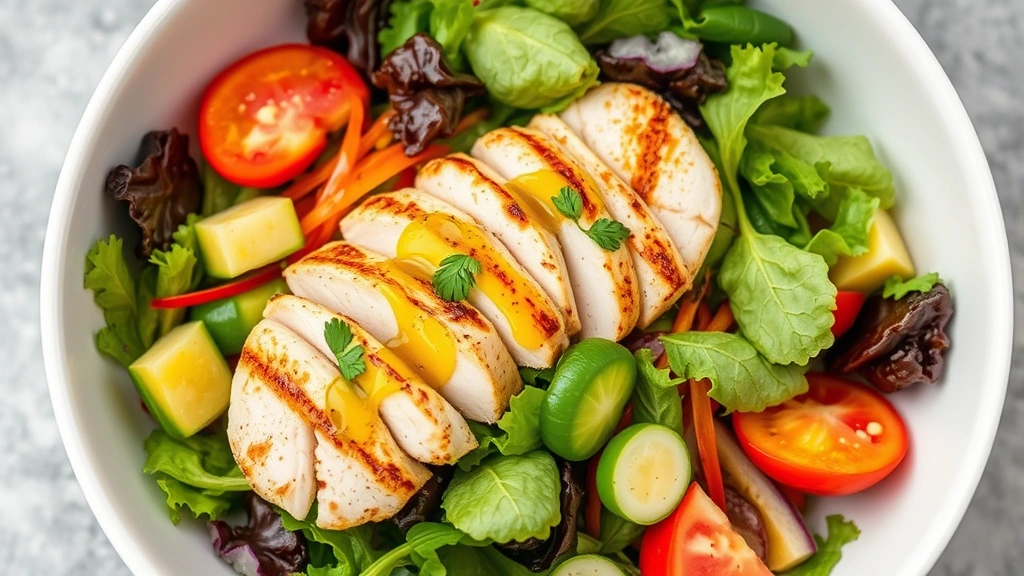
Salad and Go salads typically range from 300 to 600 calories depending on protein selection, dressing quantity, and additions. A basic vegetable salad with grilled chicken and vinaigrette dressing lands around 350-400 calories, making it suitable for calorie-conscious individuals. However, salads featuring beef, multiple cheese additions, or creamy dressings can exceed 700 calories—comparable to traditional fast-food entrees.
The macronutrient distribution varies significantly based on composition. A protein-forward salad with grilled chicken might deliver 35-40 grams of protein with moderate carbohydrates and fats. Conversely, salads heavy in nuts, seeds, and creamy dressings shift toward higher fat content—not necessarily problematic if aligned with individual dietary goals, but important for those tracking macronutrient ratios for specific objectives like bodybuilding or weight loss.
Carbohydrates in Salad and Go offerings primarily derive from vegetables, legumes, and occasional grain additions. A salad with chickpeas and vegetables might contain 35-45 grams of carbohydrates, while those with added grains or starchy vegetables could reach 50+ grams. Understanding these breakdowns helps consumers align meal choices with personalized nutrition plans rather than generic dietary recommendations.
Fat content deserves particular attention. While dietary fat isn’t inherently problematic, the type and quantity matter significantly. Salads with olive oil-based dressings provide heart-healthy monounsaturated fats, whereas those with creamy dressings contain more saturated fat. Nutritional literacy regarding fat composition empowers diners to make choices supporting their cardiovascular health and overall wellness objectives.
Protein Sources and Quality
Salad and Go offers diverse protein selections, each with distinct nutritional profiles. Grilled chicken breast represents the leanest option, delivering approximately 30 grams of protein per 3.5-ounce serving with minimal fat. This makes it ideal for those prioritizing protein intake while managing caloric consumption—a common goal in fitness communities and medical weight management programs.
Steak options provide higher iron and B-vitamin content compared to chicken, though with increased fat and caloric density. For individuals with higher iron requirements—including menstruating individuals and those with certain medical conditions—beef selections offer nutritional advantages offsetting their caloric premium. The quality of beef sourcing affects micronutrient bioavailability, though Salad and Go maintains consistent sourcing standards across locations.
Vegetarian protein options including chickpeas, black beans, and tofu accommodate plant-based preferences while delivering substantial protein quantities. However, plant-based proteins typically contain lower bioavailable amino acid profiles compared to animal sources. Combining plant proteins with complementary amino acid sources or consuming them alongside vitamin C-rich vegetables enhances absorption—a strategy particularly relevant for vegans and vegetarians relying on Salad and Go for significant protein intake.
Specialty proteins like shrimp and fish appear seasonally or regionally. These options provide unique micronutrient profiles including omega-3 fatty acids and selenium, supporting cardiovascular and cognitive health. The protein quality in seafood exceeds most plant-based options, making these selections valuable for individuals seeking diversified protein sources.
Sodium Considerations and Health Impact
Sodium content represents a critical nutritional consideration often overlooked in salad-focused dining. While salads inherently contain lower sodium than processed fast foods, dressings and certain proteins can elevate sodium to concerning levels. A single salad with standard dressing and processed protein might contain 800-1200 mg of sodium—representing 35-50% of the daily recommended intake for many individuals.
The American Heart Association recommends limiting sodium to 2,300 mg daily, with optimal intake closer to 1,500 mg for cardiovascular health optimization. Regular consumption of higher-sodium Salad and Go meals could contribute to exceeding these recommendations, particularly for individuals with hypertension, heart disease, or family histories of cardiovascular conditions.
Dressing selection significantly impacts sodium levels. Oil-and-vinegar options typically contain 200-400 mg sodium, while creamy dressings range from 400-800 mg. Requesting dressing on the side or substituting with lemon juice and olive oil reduces sodium without sacrificing flavor or nutritional density. This customization strategy represents a simple yet effective approach to optimizing nutrition at fast-casual establishments.
Processed proteins including certain chicken preparations, deli meats, and cured options contain added sodium for preservation and flavor enhancement. Opting for grilled, unseasoned protein options when available reduces sodium intake by 200-400 mg per meal—a meaningful reduction for sodium-conscious consumers.
Micronutrients and Vegetable Density
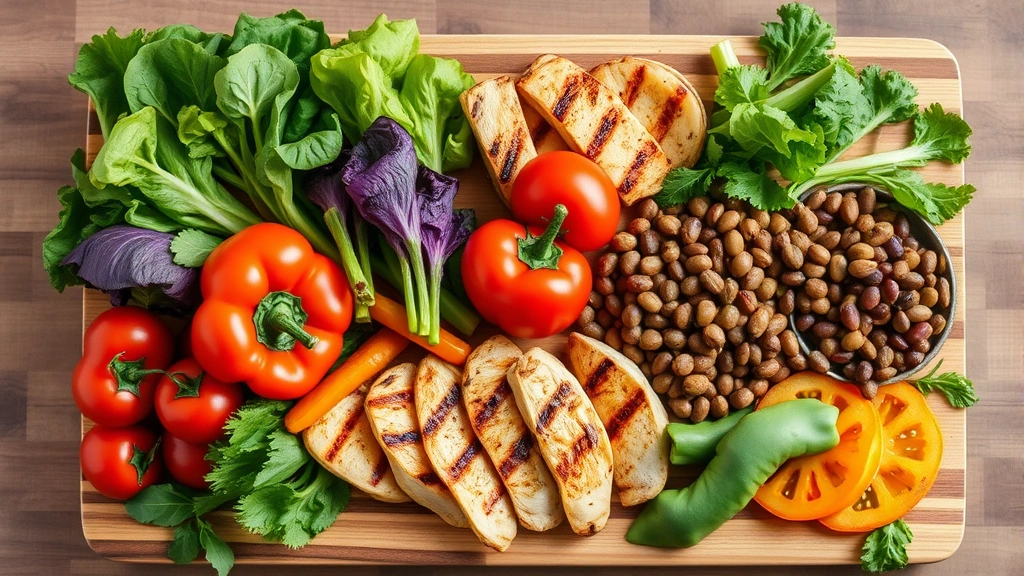
The micronutrient advantage of Salad and Go offerings stems from vegetable diversity and density. A standard salad containing mixed greens, tomatoes, cucumbers, bell peppers, and carrots delivers substantial quantities of vitamin C, vitamin K, folate, and potassium. These micronutrients support immune function, bone health, cognitive performance, and cardiovascular health—outcomes central to long-term wellness.
Leafy greens particularly contribute bioavailable micronutrients. Spinach, arugula, and kale provide lutein and zeaxanthin for eye health, alongside iron and magnesium for metabolic function. However, dietary fiber content deserves equal attention. A salad with substantial vegetables and legumes delivers 8-12 grams of fiber, supporting digestive health, blood sugar regulation, and satiety—critical factors for weight management and metabolic wellness.
Antioxidant compounds including polyphenols, carotenoids, and flavonoids concentrate in colorful vegetables. Salad and Go’s emphasis on varied vegetable selections ensures exposure to diverse phytochemical compounds with anti-inflammatory and disease-preventive properties. Regular consumption of such micronutrient-dense meals supports cognitive function and mental health optimization through mechanisms including neuroinflammation reduction and neurotransmitter synthesis support.
Mineral content varies by vegetable selection. Cruciferous vegetables like broccoli and cauliflower provide sulfur compounds supporting detoxification pathways, while root vegetables contribute manganese and copper for antioxidant enzyme function. Understanding these micronutrient profiles empowers consumers to strategically construct meals addressing personal nutritional gaps.
Customization Strategies for Optimal Nutrition
Salad and Go’s customizable format represents a significant nutritional advantage over fixed-menu establishments. Strategic customization allows alignment between menu offerings and individual nutritional objectives. For calorie-conscious consumers, selecting protein-forward options with minimal dressing and avoiding cheese maximizes satiety while maintaining moderate caloric intake.
Individuals prioritizing fiber intake should request double vegetable portions, add legumes, and include whole grain options when available. This approach delivers 12-15 grams of fiber per meal, supporting digestive health and metabolic optimization. The satiety benefits of fiber-rich meals also support weight management by reducing subsequent hunger and snacking impulses.
Protein requirements vary by individual factors including activity level, age, and health status. Athletes and older adults benefit from protein-prioritized customization yielding 40-50 grams per meal. Requesting double protein portions, selecting lean options, and combining multiple protein sources achieves these targets while maintaining nutritional balance.
Dressing customization significantly impacts nutritional outcomes. Substituting creamy dressings with vinaigrette-based options reduces saturated fat and sodium while maintaining flavor complexity. Requesting dressing quantities to be specified or applied separately gives consumers precise control over caloric and sodium intake. Some individuals benefit from requesting no dressing and adding their own measured quantities—an advanced customization strategy ensuring complete nutritional transparency.
Avoiding or minimizing high-calorie additions including croutons, fried proteins, and excessive cheese preserves the nutritional integrity of vegetable-based meals. These additions contribute 100-300 calories while offering minimal micronutrient density—a poor nutritional trade-off for most health-focused consumers.
Comparison with Other Fast-Casual Chains
Salad and Go occupies a competitive space alongside chains like Sweetgreen, Cava, and regional competitors. Compared to Sweetgreen, Salad and Go typically maintains lower price points while offering comparable nutritional transparency. However, Sweetgreen emphasizes seasonal ingredient sourcing and farm partnerships, potentially offering slightly higher micronutrient density during peak seasons.
Cava, specializing in Mediterranean and Middle Eastern bowls, provides distinct macronutrient profiles with emphasis on legumes, whole grains, and healthy fats. Cava’s offerings often feature higher fiber content and plant-based protein options, appealing to vegetarian and vegan populations. Nutritionally, both chains offer comparable quality, with selection depending on personal preference and dietary objectives.
Traditional fast food chains including Subway and McDonald’s salad offerings typically contain higher sodium, added sugars in dressings, and lower vegetable density. Salad and Go’s advantage lies in fresh ingredient emphasis and customization flexibility, making it a superior choice for nutrition-conscious consumers. However, price-sensitive individuals might find traditional fast food more accessible, though nutritional trade-offs warrant consideration.
Premium salad delivery services and meal prep companies offer superior nutritional control and customization but at significantly higher costs—typically $12-18 per meal compared to Salad and Go’s $7-12 range. For budget-conscious consumers prioritizing nutrition, Salad and Go represents an optimal balance between accessibility, affordability, and nutritional quality.
Special Dietary Accommodations
Salad and Go accommodates diverse dietary restrictions including vegetarian, vegan, gluten-free, and allergen-sensitive requirements. The customizable format allows simple modifications addressing most dietary concerns. Vegetarian diners can construct protein-complete meals combining legumes, nuts, seeds, and dairy products. Vegan consumers benefit from legume-based proteins and plant-based dressing options, though they should verify ingredient sourcing to avoid hidden animal products in dressings or preparations.
Gluten-free accommodations require attention to dressing ingredients and potential cross-contamination risks. While salad bases and most vegetables are naturally gluten-free, certain dressings and proteins may contain gluten-containing additives. Consumers with celiac disease should verify specific ingredient information with restaurant staff rather than assuming salad-based meals are automatically safe.
Individuals managing diabetes benefit from Salad and Go’s macronutrient flexibility. Constructing meals with substantial protein, high fiber, and moderate carbohydrates supports blood sugar stability. Avoiding sweetened dressings and requesting unsweetened options further optimizes glycemic impact. For diabetes management, Salad and Go represents a superior choice compared to most fast-casual alternatives.
Nut allergies require careful attention, as many salads and dressings incorporate nuts for texture and nutritional enhancement. Cross-contamination risks exist in shared preparation areas, necessitating clear communication with restaurant staff. Those with severe allergies should consider whether the risk justifies the convenience benefit.
Individuals with hypertension or heart disease benefit from sodium-conscious customization and dressing selection. Requesting no salt on proteins, choosing oil-based dressings, and avoiding processed additions reduces sodium intake to medically appropriate levels. This dietary accommodation capacity makes Salad and Go valuable for individuals managing chronic conditions through nutritional intervention.

FAQ
What is the healthiest salad option at Salad and Go?
The healthiest option depends on individual nutritional objectives. For calorie management, choose grilled chicken with mixed greens, vegetables, and vinaigrette dressing—typically 350-400 calories with 30+ grams protein. For fiber optimization, request double vegetables and legume additions. For sodium reduction, avoid processed proteins and creamy dressings. Customization flexibility allows construction of nutritionally optimal meals aligning with personal health goals.
How much protein does Salad and Go provide?
Standard protein portions deliver 25-35 grams of protein depending on selection. Grilled chicken, steak, and seafood options provide complete amino acid profiles. Plant-based proteins including chickpeas and beans typically deliver 12-18 grams per serving. Requesting double protein portions increases intake to 50-60 grams, suitable for athletes and individuals with elevated protein requirements.
Is Salad and Go suitable for weight loss?
Yes, Salad and Go can support weight loss through calorie-controlled, nutrient-dense meal options. Protein-prioritized selections with minimal dressing and calorie-conscious customization create satiety-promoting meals within typical weight loss caloric targets. The high fiber and micronutrient density supports metabolic health and reduces nutrient deficiency risks common in calorie-restricted diets.
How does Salad and Go compare nutritionally to other fast-casual chains?
Salad and Go offers comparable nutritional quality to premium competitors like Sweetgreen while maintaining lower price points. Compared to traditional fast food, Salad and Go provides superior vegetable density, lower sodium, and greater customization flexibility. Individual chain advantages depend on specific nutritional priorities and dietary requirements.
Can I manage diabetes with Salad and Go meals?
Yes, Salad and Go’s customizable format supports diabetes management through macronutrient-controlled meal construction. Prioritizing protein and fiber while minimizing refined carbohydrates and sugary dressings optimizes glycemic response. Working with a registered dietitian to identify optimal customization strategies personalizes diabetes management through this restaurant option.
What sodium levels should I expect?
Standard salads with dressing and protein contain 600-1200 mg sodium. Choosing vinaigrette dressings and requesting no salt on proteins reduces intake to 300-600 mg. For individuals managing hypertension, requesting specific low-sodium preparations enables medically appropriate sodium intake while maintaining meal enjoyment.
Does Salad and Go offer nutritional information online?
Yes, Salad and Go provides nutritional information for standard menu items on their website and mobile application. However, customized meals require calculation based on component selections. Requesting specific nutritional data from restaurant staff ensures accurate information for customized orders.
Are Salad and Go ingredients organic or sustainably sourced?
Salad and Go emphasizes fresh ingredient sourcing but does not exclusively feature organic products. Specific sourcing practices vary by location and supplier relationships. Consumers prioritizing organic or sustainable sourcing should contact individual locations regarding specific ingredient sourcing practices rather than assuming chain-wide standards.


