Sausage McMuffin Nutrition: Expert Analysis
The Sausage McMuffin stands as one of McDonald’s most iconic breakfast items, combining convenience with indulgence for millions of customers worldwide. Understanding its nutritional profile has become increasingly important as consumers navigate dietary choices and health-conscious eating patterns. This comprehensive analysis examines the complete nutritional breakdown, ingredient composition, and practical implications for your daily diet.
Fast food breakfast items occupy a unique position in modern nutrition discourse. While often criticized for high sodium and saturated fat content, these meals serve legitimate purposes for time-constrained individuals and athletes requiring quick caloric intake. The Sausage McMuffin exemplifies this complexity—offering protein-rich sustenance while presenting challenges for those monitoring specific macronutrient targets. Our deep dive explores both perspectives to provide balanced, actionable insights for informed dietary decisions.

Complete Nutrition Breakdown
The standard Sausage McMuffin contains approximately 450 calories per serving, making it a moderate-calorie breakfast option compared to other quick-service restaurant offerings. The nutritional composition reveals a complex interplay of macronutrients designed to provide sustained energy while delivering satisfying sensory experience. According to McDonald’s official nutrition data, one sandwich provides substantial protein content alongside considerable sodium levels that warrant attention.
Breaking down the fundamental nutritional components: the sandwich delivers 17 grams of total fat, including 8 grams of saturated fat. Carbohydrates total approximately 29 grams, with minimal fiber contribution. Protein content reaches 18 grams, contributing to the item’s appeal for those seeking muscle maintenance and satiety. The sodium concentration presents the most striking figure at approximately 790 milligrams, representing roughly 34% of the recommended daily value for most adults.
Cholesterol levels reach 45 milligrams per sandwich, while sugar content remains relatively modest at 3 grams. Micronutrient contributions include iron, calcium, and various B vitamins derived from the English muffin and sausage patty components. This nutritional architecture reflects intentional formulation balancing convenience, taste, and basic nutritional adequacy.

Caloric Content and Energy Distribution
The 450-calorie composition represents approximately 22.5% of a standard 2,000-calorie daily diet, positioning the Sausage McMuffin as a significant but not excessive breakfast contribution. Energy distribution across macronutrients shows fat providing 153 calories (34%), carbohydrates contributing 116 calories (26%), and protein delivering 72 calories (16%), with the remainder accounting for rounding variations.
This caloric density reflects the energy-dense nature of sausage meat and butter-enriched English muffins. For athletes and individuals engaged in nutrition for athletes optimizing performance through diet, these calories provide legitimate fuel for morning training sessions. The rapid absorption characteristics of refined carbohydrates and saturated fats enable quick energy availability, particularly valuable for pre-workout consumption within 1-2 hours before exercise.
Conversely, the caloric density coupled with moderate protein content means the sandwich alone may not provide optimal satiety for sedentary individuals or those pursuing caloric restriction. Combining the McMuffin with additional protein sources or fiber-rich accompaniments significantly improves satiety metrics and prevents premature hunger returns.
Macronutrient Profile Examination
The macronutrient distribution reveals a fat-forward formulation characteristic of traditional American breakfast architecture. At 17 grams total fat, the sandwich delivers concentrated caloric energy while contributing to overall dietary fat intake. The saturated fat component (8 grams) raises considerations for individuals monitoring cardiovascular health markers, as saturated fat consumption remains a subject of ongoing nutritional research and debate.
Protein content at 18 grams provides meaningful contribution toward daily protein requirements, typically ranging from 50-100 grams for average adults depending on body weight and activity levels. This protein originates primarily from the sausage patty, which also contributes substantially to the fat and sodium profiles. The amino acid profile supports muscle protein synthesis and satiety signaling, though the complete essential amino acid spectrum depends partially on the English muffin and any cheese components in variations.
Carbohydrate composition at 29 grams derives predominantly from the refined wheat English muffin, which provides minimal fiber (typically 1-2 grams). This refined carbohydrate structure promotes rapid glucose absorption and subsequent insulin response, contributing to the quick energy spike followed by potential energy dips characteristic of high-glycemic breakfast choices. For individuals implementing healthy nutrition plans guiding eating well for life, understanding these macronutrient dynamics enables strategic meal construction.
Sodium and Saturated Fat Concerns
The sodium content presents the most significant nutritional consideration for regular Sausage McMuffin consumption. At 790 milligrams per sandwich, a single breakfast item delivers one-third of the recommended daily sodium intake, establishing immediate constraints on sodium consumption for the remainder of the day. For individuals managing hypertension or following sodium-restricted diets, this represents a substantial portion of their daily allowance.
Saturated fat at 8 grams contributes 16% of the recommended daily value, positioning the sandwich as a moderate saturated fat source within a broader dietary context. Emerging nutritional science, as documented in American Heart Association guidelines, increasingly emphasizes total dietary patterns over individual nutrient isolation, yet saturated fat reduction remains a recommended strategy for cardiovascular disease prevention in susceptible populations.
The combination of elevated sodium and saturated fat creates a nutritional profile requiring contextual consideration. Individuals consuming the Sausage McMuffin should deliberately reduce sodium and saturated fat from subsequent meals to maintain adherence to recommended daily limits. This necessitates conscious dietary planning and awareness of sodium content in seemingly innocuous foods like bread, condiments, and processed accompaniments.
Research from Pew Research Center studies on American dietary patterns indicates that fast food consumption correlates with elevated sodium intake across demographic groups, with breakfast items contributing disproportionately to daily sodium totals. This pattern underscores the importance of individual awareness when selecting convenience foods.
Detailed Ingredient Analysis
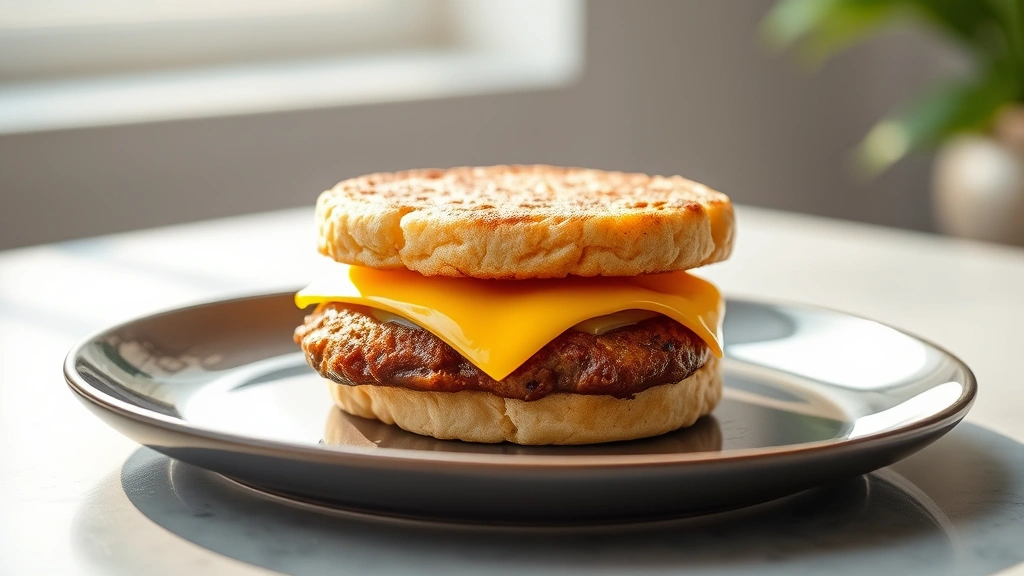
The Sausage McMuffin comprises three primary components: the sausage patty, English muffin, and cheese layer. The sausage patty represents the nutritional cornerstone, delivering concentrated protein, fat, and sodium. McDonald’s sausage formulation includes pork, salt, spices, corn syrup, sodium phosphate, and various preservatives ensuring product stability and food safety. This ingredient list reflects industrial food manufacturing priorities emphasizing consistency, shelf stability, and cost efficiency.
The English muffin contributes refined carbohydrates, modest protein, and structural integrity to the sandwich. Wheat flour, water, yeast, salt, and various dough conditioners create the characteristic texture. The muffin’s relatively low fiber content (typically 1-2 grams) reflects the use of refined rather than whole grain flour, a common industrial practice optimizing texture and shelf life at nutritional cost.
The cheese layer, typically American cheese or similar processed cheese product, adds additional fat, sodium, and calcium. Processed cheese products contain milk fat, milk solids, emulsifying salts, and preservatives enabling extended shelf stability compared to natural cheese. This formulation contributes to the sandwich’s sodium elevation and saturated fat content while providing meaningful calcium contribution.
For those interested in broader nutritional understanding, exploring nutrition facts about avocados and whole food alternatives provides valuable perspective on nutrient density contrasts between processed and minimally processed foods. Similarly, understanding the importance of dietary fiber for your health contextualizes the nutritional limitations of refined grain-based breakfast items.
Comparative Breakfast Analysis
Contextualizing the Sausage McMuffin within the broader breakfast landscape reveals its positioning among convenience options. A comparable Egg McMuffin (without sausage) delivers slightly lower calories (300) and fat (12g) while maintaining similar protein (17g) and elevated sodium (790mg). This suggests the sausage patty drives much of the caloric and fat contribution.
Comparing to other fast-service breakfast items: a typical bagel sandwich ranges from 400-600 calories with variable fat content; breakfast burritos span 300-700 calories depending on fillings; donut-based breakfast sandwiches deliver 250-450 calories with minimal protein. The Sausage McMuffin occupies a moderate position, offering reasonable protein contribution relative to caloric content compared to pastry-based alternatives while delivering considerably more sodium than many competitors.
Against home-prepared alternatives: two scrambled eggs with whole grain toast and butter delivers approximately 350 calories, 20g protein, 8g saturated fat, and substantially lower sodium (under 500mg). A yogurt parfait with granola and berries provides 300-400 calories, 10-15g protein, and lower sodium with significantly higher fiber content. These comparisons highlight the trade-offs between convenience and nutritional optimization characteristic of fast-food consumption.
Health Implications and Recommendations
Regular Sausage McMuffin consumption warrants consideration within broader dietary patterns. Occasional consumption (weekly or less frequent) poses minimal health concern for most adults, particularly when balanced with nutrient-dense foods during subsequent meals. However, frequent consumption (multiple times weekly) creates cumulative sodium and saturated fat exposure warranting attention, especially for individuals with cardiovascular risk factors, hypertension, or metabolic syndrome.
The sandwich’s moderate protein content and reasonable caloric load make it defensible within comprehensive nutrition discussions available on the Nutrients Pathway Blog, provided it integrates into balanced meal patterns. The refined carbohydrate content and elevated sodium demand compensatory choices in surrounding meals and snacks.
For individuals managing specific health conditions, consultation with healthcare providers or registered dietitians provides personalized guidance. Those with hypertension should particularly scrutinize sodium content and establish daily limits accommodating occasional higher-sodium meals. Individuals managing weight should recognize the caloric density and ensure portion awareness prevents excessive energy intake.
Athletes and active individuals may find the Sausage McMuffin valuable for pre-workout fueling, particularly when consumed 1-2 hours before training sessions. The rapid-absorption carbohydrates and moderate protein support performance during endurance or strength activities. However, post-workout recovery meals should emphasize additional protein and micronutrient density to optimize adaptation.
Integration into Balanced Diets
Strategic consumption approaches maximize nutritional benefit while minimizing health risks. Pairing the Sausage McMuffin with fiber-rich accompaniments—such as fresh fruit, oatmeal, or whole grain toast—increases satiety, slows glucose absorption, and balances the refined carbohydrate contribution. Adding vegetables or legumes to subsequent meals reduces overall sodium density and increases micronutrient diversity.
Hydration strategies become particularly important following high-sodium breakfast consumption. Adequate fluid intake throughout the day supports kidney function and helps maintain appropriate electrolyte balance. Most adults should target 2-3 liters of water daily, with higher volumes for active individuals or those in warm climates.
Meal timing considerations suggest consuming the Sausage McMuffin earlier in the day when remaining meals can accommodate reduced sodium and saturated fat targets. This approach prevents the situation where elevated breakfast sodium constrains evening meal options excessively. For individuals with flexible schedules, timing consumption around exercise sessions optimizes energy utilization and performance benefits.
Portion and frequency awareness represents the most practical integration strategy. Limiting Sausage McMuffin consumption to weekly or biweekly frequency, alternating with nutrient-denser breakfast alternatives, maintains flexibility and convenience while preventing chronic excess sodium and saturated fat exposure. This approach acknowledges real-world dietary patterns where convenience foods serve legitimate purposes without requiring absolute elimination.
FAQ
How does the Sausage McMuffin compare nutritionally to homemade breakfast sandwiches?
Homemade versions typically offer superior control over ingredients, enabling reduced sodium through minimal salt addition and elimination of cured meat products. A homemade egg and cheese sandwich on whole grain bread delivers similar calories and protein with 30-50% lower sodium and significantly higher fiber. However, homemade preparation requires time investment incompatible with fast-paced modern schedules, explaining the persistent appeal of convenience options despite nutritional trade-offs.
Is the Sausage McMuffin suitable for weight loss diets?
The sandwich can integrate into weight loss plans, particularly those emphasizing protein intake for satiety. At 450 calories with 18g protein, it provides meaningful macronutrient contribution within moderate caloric budgets. However, the refined carbohydrate content and moderate fiber may limit satiety compared to higher-fiber alternatives. Success requires pairing with vegetables, additional protein, and mindful subsequent meal composition to prevent excessive total caloric intake.
What modifications reduce sodium content?
Requesting sandwiches without added salt, substituting regular cheese for reduced-sodium versions, and removing the sausage patty (creating an Egg McMuffin) reduces sodium content by 100-200mg. However, McDonald’s preparation protocols limit customization options significantly. Alternatively, consuming the sandwich with low-sodium beverages and subsequent meals featuring minimal added salt optimizes daily sodium balance.
Does the Sausage McMuffin fit ketogenic or low-carb diets?
With 29g carbohydrates, the standard Sausage McMuffin exceeds most ketogenic diet parameters (typically 20-50g daily carbs). However, requesting the sandwich without the English muffin and consuming the sausage and cheese components alone reduces carbohydrates to approximately 1-2g, fitting strict low-carb approaches. This modification sacrifices the convenient sandwich format but maintains protein and fat contributions.
What nutritional benefits justify regular consumption?
The primary benefits include convenient protein delivery (18g per sandwich), moderate caloric content suitable for various dietary frameworks, and legitimate energy provision for time-constrained individuals. For athletes requiring quick pre-workout fuel, the rapid-absorption carbohydrates and moderate fat provide practical performance support. These benefits justify occasional consumption while acknowledging health concerns accompanying frequent intake.
How does McDonald’s Sausage McMuffin compare to competitors’ breakfast sandwiches?
Nutritionally similar options exist across major quick-service restaurants, with most delivering 400-500 calories, 15-20g protein, and elevated sodium (700-900mg). McDonald’s offering ranks competitively without dramatic nutritional advantages or disadvantages. Selection often depends on accessibility, personal taste preferences, and brand familiarity rather than significant nutritional differentiation.