Shake Shack Calories: Dietitian Analysis
Shake Shack has revolutionized the fast-casual dining experience, offering premium burgers, hot dogs, and frozen custard that appeal to food enthusiasts seeking quality over traditional fast food. However, with indulgence comes nutritional complexity. Understanding Shake Shack nutrition requires examining caloric density, macronutrient profiles, and how menu items fit into various dietary frameworks. This comprehensive analysis helps consumers make informed choices when visiting this popular chain.
The casual dining sector has experienced significant growth over the past decade, with consumers increasingly willing to pay premium prices for perceived quality. Shake Shack’s positioning within this market means their menu items often exceed standard fast-food caloric ranges. A single burger or shake can represent 30-50% of daily caloric intake for average adults, making nutritional awareness essential for health-conscious diners.
Understanding Shake Shack Menu Calorie Counts
Shake Shack’s transparency regarding nutritional information represents a positive trend in the restaurant industry. Their published data reveals that standard menu items range dramatically in caloric content, from lighter options around 300 calories to indulgent items exceeding 1,000 calories. The nutrition solutions approach involves recognizing portion sizes and ingredient choices that drive these variations.
The burger platform serves as the foundation for understanding Shake Shack’s caloric structure. A SmokeShack, featuring proprietary smoked beef brisket, bacon, and cheddar, contains approximately 570 calories in its standard form. The ShackSauce, a signature condiment combining mayo, ketchup, mustard, and spices, contributes roughly 90 calories alone. This demonstrates how seemingly minor additions accumulate into significant caloric contributions.
Portion standardization at Shake Shack differs from mass-market chains. Their burgers feature 4-ounce beef patties, smaller than typical fast-casual competitors but denser and more flavorful. This size consideration matters for dietitians evaluating whether items fit within daily caloric targets. For individuals following healthy nutrition plans, understanding these baseline portions enables better decision-making.
Burger Analysis: From Classic to Premium
The Shake Shack burger lineup demonstrates caloric progression based on protein additions and sauce applications. The classic ShackBurger, the foundational offering, contains 440 calories with a single 4-ounce patty. Adding a second patty increases calories to 630, representing a 190-calorie jump. This linear relationship helps consumers predict nutritional impact of customizations.
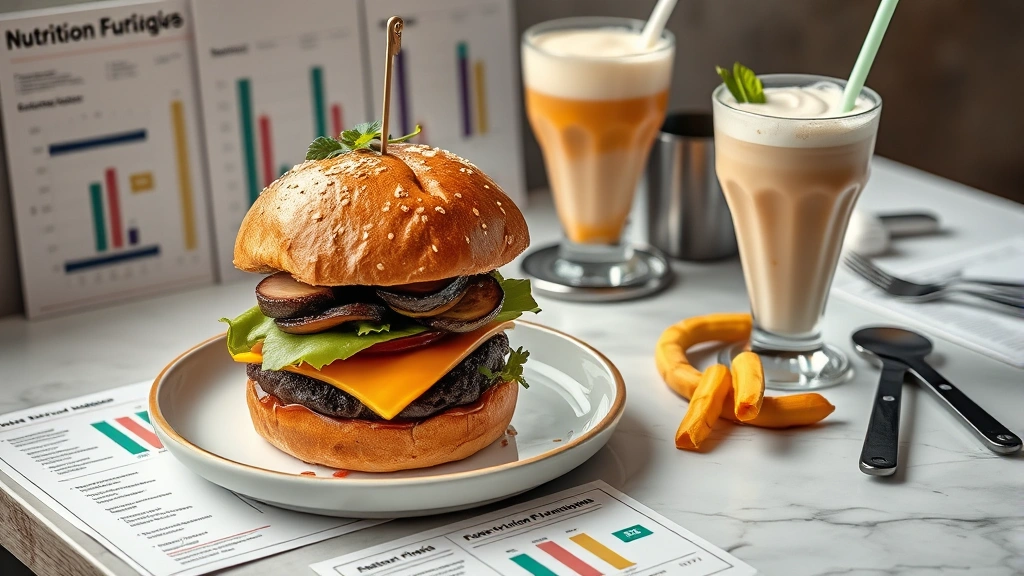
Premium burger offerings like the SmokeShack and Shroom Burger showcase different caloric profiles. The Shroom Burger, featuring a crispy portobello mushroom cap replacing the beef patty, provides a vegetarian option at 420 calories. However, the mushroom’s preparation method—breading and frying—means it’s not significantly lower in calories than the classic burger. This challenges assumptions about vegetarian options being inherently lighter.
Cheese selection significantly impacts burger nutrition. American cheese adds approximately 60 calories, while premium options like cheddar or Muenster contribute similar amounts. The cumulative effect of adding cheese to a double burger creates a 750+ calorie item, approaching meal-level consumption. Understanding these building blocks allows consumers to make conscious trade-offs aligned with their dietary goals.
Bacon additions represent another caloric inflection point. Each addition contributes 80-100 calories while adding saturated fat and sodium. For individuals monitoring meal planning strategies, recognizing that bacon transforms a moderate burger into a high-calorie item proves essential. The sensory appeal of bacon sometimes outweighs nutritional considerations for consumers, making transparent communication about its impact valuable.
Frozen Custard and Shake Nutrition
Shake Shack’s frozen custard represents the most calorie-dense menu category. A single vanilla shake in regular size contains 740 calories, with chocolate and other flavors ranging from 750-800 calories. Large sizes escalate to 1,000+ calories, representing an entire day’s worth for some individuals. The shake category warrants particular attention in nutritional analysis due to these extreme values.
Frozen custard base contributes approximately 300-400 calories per serving before mix-ins. The addition of premium toppings—brownie pieces, candy, cookie crumbles—rapidly escalates totals. A Shack-made Concrete with brownie chunks reaches 1,080 calories in regular size. The viscosity and richness of frozen custard means smaller portions feel more satisfying than standard ice cream, yet Shake Shack’s serving sizes don’t reflect this satiety advantage.
Sugar content in shakes particularly concerns dietitians. A regular vanilla shake contains approximately 95 grams of sugar, exceeding daily recommended limits for most adults. This sugar concentration comes from custard base, additional sweeteners, and toppings. For individuals managing blood sugar or following nutrition for athletes protocols, shake consumption requires careful consideration of overall macronutrient balance.
The psychological appeal of frozen custard shakes creates challenges for health-conscious ordering. Marketing emphasizes premium ingredients and craft preparation, positioning shakes as special treats. This positioning aligns with indulgence psychology, making moderation difficult. Understanding that a shake represents 35-50% of daily calories for average adults provides necessary context for decision-making.
Hot Dogs and Specialty Items
Shake Shack’s hot dog offerings provide alternatives to burgers with varying caloric profiles. The classic ‘Shroom Burger’s hot dog counterpart, the Shroom Dog, contains 470 calories. The standard hot dog ranges from 380-450 calories depending on toppings and preparations. These items occupy a middle ground between lighter options and burger-heavy selections.
The Chick’n Shack, featuring fried chicken breast, contains 550 calories. The frying preparation method and sauce applications position it similarly to premium burgers calorically. For consumers seeking poultry alternatives believing them inherently lighter, this item challenges assumptions. Processing and preparation methods matter more than protein source in caloric determination.
Side dishes significantly impact total meal calorie counts. French fries range from 230 calories (regular) to 520 calories (large). Cheese fries add 100-200 calories depending on portion. A burger-and-fries combination easily reaches 800-1,000 calories before beverage consideration. This pairing reality demonstrates how quickly casual dining meals exceed typical lunch caloric targets.
Macronutrient Breakdown and Dietary Fit
Beyond calorie counting, macronutrient distribution determines whether Shake Shack items fit specific dietary frameworks. Most burgers contain 20-30 grams of protein, 40-60 grams of fat, and 30-45 grams of carbohydrates. This macronutrient ratio favors fat content, typical for fast-casual burgers but potentially problematic for individuals limiting saturated fat intake.
Saturated fat content deserves particular scrutiny. A SmokeShack contains approximately 16 grams of saturated fat, representing roughly 80% of daily recommended limits. Combined with cheese and bacon, saturated fat quickly accumulates. For individuals with cardiovascular concerns or following comparative analyses of fast-food nutrition, these numbers warrant dietary adjustments elsewhere in daily consumption.
Sodium levels present another consideration. Most Shake Shack burgers contain 800-1,200 milligrams of sodium, representing 35-50% of daily limits. The ShackSauce and other condiments concentrate sodium significantly. For individuals managing hypertension or following sodium-restricted diets, Shake Shack presents challenges requiring special ordering modifications.
Fiber content remains minimal across most menu items, typically under 2 grams per burger. This reflects low vegetable integration in menu design. For consumers prioritizing digestive health and satiety through fiber intake, Shake Shack items alone don’t support these goals. Pairing with side salads or other fiber sources becomes necessary for balanced nutrition.
Comparison with Fast Food Alternatives
Comparing Shake Shack to traditional fast-food chains reveals interesting nutritional positioning. A McDonald’s Quarter Pounder contains 520 calories versus Shake Shack’s ShackBurger at 440 calories. However, Shake Shack’s premium options like SmokeShack (570 calories) exceed typical fast-food counterparts. The caloric difference between chains proves less significant than menu item selection within each chain.
Ingredient quality differences between Shake Shack and fast-food chains don’t necessarily translate to superior nutrition. While Shake Shack emphasizes Angus beef and fresh ingredients, caloric and macronutrient profiles remain comparable to competitors. The premium positioning creates perception of nutritional superiority that actual data doesn’t consistently support.
Transparency regarding nutritional information represents Shake Shack’s advantage. Complete access to calorie counts, macronutrients, and allergen information enables informed decision-making. Many fast-casual competitors provide similar transparency, but comparing chains demonstrates that premium pricing doesn’t guarantee nutritional advantages.
Strategies for Healthier Ordering
Dietitians recommend several strategies for navigating Shake Shack menus while maintaining nutritional goals. Selecting single-patty burgers instead of doubles reduces calories by 190+ while maintaining satisfaction. This simple modification represents the highest-impact change available for burger consumers.
Sauce reduction or elimination provides another caloric lever. ShackSauce contributes 90 calories; requesting burgers without it saves significant calories. Mustard-based sauces provide flavor with minimal caloric impact—approximately 3-5 calories per tablespoon. This modification requires minimal sacrifice of taste satisfaction.
Beverage selection dramatically affects total meal nutrition. Water, unsweetened tea, and coffee provide zero calories versus 200+ calories for soft drinks and shakes. This single choice determines whether a meal fits within typical lunch caloric targets. Substituting water for a large soda saves 300+ calories, offsetting burger indulgences.
Side dish modifications impact overall nutrition significantly. Choosing regular fries instead of large saves 290 calories. Requesting fries without additional salt reduces sodium intake. Some locations offer alternative sides—understanding availability enables better planning. When available, salad-based sides provide fiber and micronutrients burgers lack.
Frequency consideration matters for overall dietary balance. Consuming Shake Shack weekly versus monthly creates vastly different nutritional impacts. For individuals dining there occasionally, individual item choices matter less than frequency. Monthly visits allow more indulgence flexibility than weekly patterns.

FAQ
What’s the lowest-calorie burger at Shake Shack?
The ShackBurger single patty represents the lowest-calorie burger option at 440 calories. Requesting it without cheese and with minimal sauce reduces this further to approximately 320-350 calories. However, this option sacrifices some signature flavor profile that defines the Shake Shack experience.
How do Shake Shack calories compare to McDonald’s?
Shake Shack burgers generally contain similar or slightly fewer calories than McDonald’s premium options. However, Shake Shack’s frozen custard shakes (740-1,000+ calories) significantly exceed McDonald’s shake offerings (500-700 calories). Overall meal comparisons depend on specific item selection rather than chain-wide generalizations.
Can I include Shake Shack in a calorie-restricted diet?
Yes, with strategic ordering. Selecting single-patty burgers, limiting high-calorie sides, and choosing water instead of shakes allows Shake Shack meals to fit 1,500-2,000 calorie daily targets. This requires conscious choices but remains feasible for occasional dining.
What’s the best Shake Shack option for high-protein diets?
Double-patty burgers without excessive toppings provide 40-50 grams of protein while maintaining manageable carbohydrate intake. The Shack-stack (double burger with additional patty) reaches 60+ grams protein but exceeds 800 calories. Protein-focused ordering involves accepting higher caloric intake or limiting frequency.
Are there vegetarian options lower in calories?
The Shroom Burger at 420 calories represents the lowest-calorie burger option available. The Shroom Dog at 470 calories provides another vegetarian alternative. However, these aren’t significantly lower than single-patty beef burgers, as frying preparation methods elevate their caloric content.
How much sugar is in Shake Shack shakes?
A regular vanilla shake contains approximately 95 grams of sugar, while chocolate and other flavors range from 100-110 grams. Large sizes escalate sugar content to 130-150 grams. These quantities exceed daily recommended limits for most adults and require careful consideration in overall dietary planning.
What modifications reduce sodium content?
Requesting burgers without ShackSauce, choosing fresh toppings over processed cheese, and avoiding fries reduces sodium significantly. However, beef patties and bread contribute inherent sodium. Requesting “light on salt” during preparation provides modest additional reduction but doesn’t eliminate sodium entirely.
Can I make Shake Shack work for keto diets?
Ordering burgers without buns and limiting carbohydrate sides allows Shake Shack participation in ketogenic diets. However, high saturated fat content and sodium levels require consideration. Lettuce-wrapped burgers provide the best keto option, though this modification isn’t universally available at all locations.