Healthy Choices at Costco Food Court? Expert Tips for Smarter Eating
The Costco food court has become an iconic destination for millions of shoppers seeking affordable, convenient meals. With its famous $1.50 hot dog combo that hasn’t changed price since 1983, the food court represents a unique intersection of value and indulgence. However, navigating the menu with health-conscious intentions requires strategic knowledge and understanding of nutritional profiles that aren’t always immediately obvious.
Many shoppers assume that bulk warehouse food courts prioritize convenience over nutrition, but the reality is more nuanced. While the Costco food court does serve calorie-dense options, it also offers opportunities for making informed choices that align with wellness goals. This guide explores evidence-based strategies for selecting healthier items, understanding portion control, and maximizing nutritional value during your warehouse visit.
Understanding Costco Food Court Nutritional Landscape
The Costco food court menu reflects a business model centered on affordability and satisfaction rather than nutritional optimization. According to Pew Research Center studies on consumer eating habits, warehouse club food courts occupy a unique market position where price point heavily influences purchasing decisions. Understanding this context helps explain why certain items dominate sales despite their nutritional profiles.
Costco’s commitment to maintaining consistent pricing means nutritional innovation occurs within tight margins. The food court serves approximately 100 million customers annually, making it one of the largest food service operations in North America. This scale presents both challenges and opportunities for health-conscious consumers seeking better options.
When examining the nutrition care process, it becomes clear that individual choice and awareness are paramount in institutional food environments. Costco provides basic nutritional information for most items, though deeper analysis reveals patterns in preparation methods, ingredient sourcing, and portion sizes that affect overall dietary impact.
The food court menu typically includes rotisserie chicken, pizza, hot dogs, sandwiches, salads, and frozen treats. Each category presents distinct nutritional considerations and opportunities for optimization. Research from the Academy of Nutrition and Dietetics emphasizes that making intentional choices in convenience food environments significantly impacts long-term health outcomes.
Healthier Menu Items and Smart Substitutions
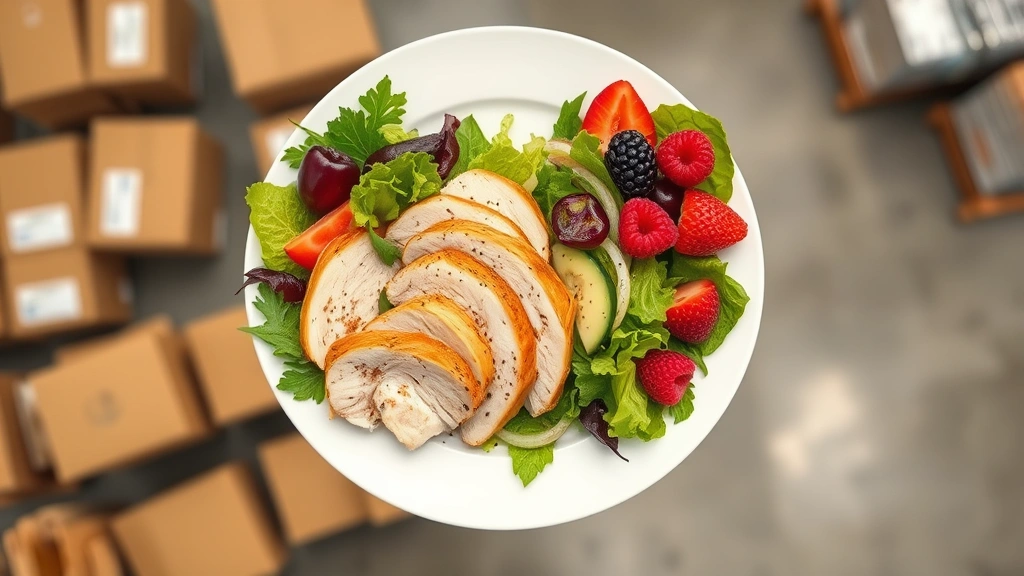
The rotisserie chicken stands out as the nutritional anchor of the Costco food court. A quarter chicken (skin removed) provides approximately 25-30 grams of protein with moderate fat content and minimal sodium compared to processed alternatives. This item aligns well with healthy nutrition plan principles emphasizing lean protein sources.
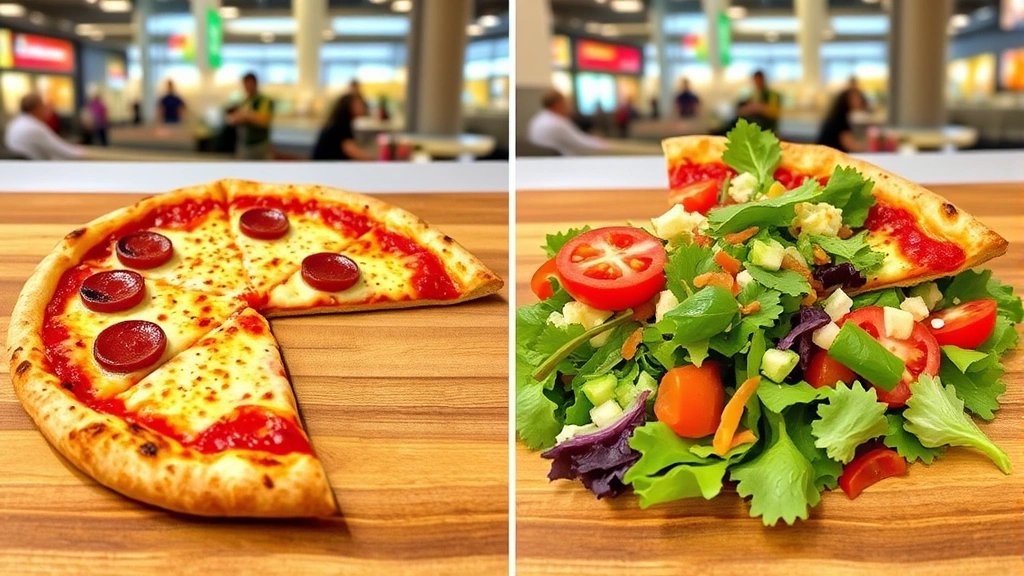
Pairing rotisserie chicken with a side salad creates a balanced meal foundation. The food court salads, while often dressed with calorie-dense dressings, provide vegetable volume and fiber. Requesting dressing on the side allows portion control and reduces unnecessary calories. A typical salad base contains 50-100 calories before dressing; creamy dressings add 200-400 additional calories per serving.
Pizza represents a more complex choice. A single slice of cheese pizza contains approximately 700 calories and 30 grams of fat, with significant sodium content. However, veggie-loaded options reduce caloric density while increasing micronutrient profiles. Limiting consumption to one or two slices and pairing with a side salad creates better nutritional balance than consuming multiple slices.
The turkey sandwich offers moderate protein (around 20 grams) with lower fat than beef alternatives. Removing half the bread or requesting a lettuce wrap reduces refined carbohydrate intake while maintaining satiety. This substitution strategy aligns with meal planning best practices focused on strategic modifications within existing options.
Fruit options, when available, provide excellent nutritional value. Fresh berries, watermelon, or apple slices offer vitamins, minerals, and fiber with minimal processing. These choices support sustained energy levels and provide nutritional density superior to many prepared items.
Portion Control Strategies at the Counter
Costco’s food court operates on a “abundance mindset” business model where generous portions justify low prices. This creates an environment where portion control requires intentional decision-making. Research from American Psychological Association studies on portion size psychology demonstrates that environmental cues significantly influence consumption patterns.
Ordering half-portions when available reduces caloric intake without sacrificing satisfaction. Many food court staff accommodate requests for smaller servings, though this requires explicit communication. Asking for a child-size portion of pizza or requesting a single scoop of ice cream rather than the standard serving demonstrates effective boundary-setting.
Sharing meals represents another practical strategy, particularly for families or groups. A single pizza divided among three people provides reasonable portion sizes with built-in variety. This approach transforms the food court experience from individual consumption to shared dining, often reducing overall intake.
Timing consumption strategically enhances satiety signals. Eating slowly, drinking water before and during the meal, and prioritizing protein intake first supports fullness cues that typically lag behind actual consumption by 15-20 minutes. This aligns with nutrition and mental health research demonstrating that mindful eating practices improve overall wellness.
Beverage selection significantly impacts total caloric intake. Choosing water, unsweetened tea, or black coffee over sugary sodas eliminates 150-300 calories per serving. This single substitution represents one of the highest-impact modifications available at the food court.
Hidden Sodium and Sugar Concerns
Sodium content represents the primary nutritional concern at most warehouse food courts. A single slice of pizza contains 800-1200 milligrams of sodium, approaching half the recommended daily intake for many individuals. The rotisserie chicken, while generally nutritious, contains significant sodium from brining and preparation processes.
Understanding sodium’s impact requires context. The American Heart Association recommends 2,300 milligrams daily for most adults, with many health organizations suggesting lower targets for individuals with hypertension or cardiovascular risk. Consuming a single food court meal can represent 30-50% of daily sodium intake, with cumulative effects from other meals creating potential health concerns.
Sugar content in seemingly savory items often surprises health-conscious consumers. Many salad dressings contain 10-15 grams of added sugar per serving. Teriyaki chicken options, while flavorful, frequently exceed 30 grams of sugar from marinades and glazes. Beverages present even more dramatic concerns, with standard soft drinks containing 39-65 grams of sugar per serving.
Reading available nutritional information, when provided, becomes essential for informed decision-making. Costco has improved transparency in recent years, displaying caloric and sodium content at many locations. Requesting specific preparation details—such as whether items contain added sugars or high-sodium brines—demonstrates consumer awareness that food court staff increasingly respect.
Reducing sodium and sugar intake doesn’t require eliminating food court meals entirely. Strategic choices, such as selecting unseasoned rotisserie chicken, requesting dressing-free salads, and avoiding sweetened beverages, substantially reduce these nutrients while maintaining satisfaction.
Building Balanced Meals from Available Options
Creating nutritionally balanced meals at the food court requires understanding macronutrient composition. Optimal meals typically include protein (25-35% of calories), healthy fats (25-35%), and carbohydrates (35-50%), with emphasis on whole food sources and minimal processing.
A balanced meal framework might include: rotisserie chicken (protein source), side salad with oil-based dressing (vegetables and healthy fats), and fresh fruit (carbohydrates and fiber). This combination provides approximately 500-700 calories with balanced macronutrient distribution and substantial micronutrient density.
For individuals following nutrition for athletes principles, the food court offers opportunities for post-workout refueling. A turkey sandwich with added vegetables and a fruit side provides carbohydrates for glycogen replenishment alongside protein for muscle recovery. This approach demonstrates that warehouse food courts can support diverse nutritional goals when approached strategically.
Vegetarian and plant-based consumers face greater limitations but maintain options. Cheese pizza provides protein and carbohydrates, though fat content runs high. Salads with added nuts or seeds increase protein and healthy fats. Requesting bean-based items or egg preparations, when available, supports plant-based protein needs.
Meal timing considerations enhance nutritional benefit. Consuming food court meals earlier in the day allows subsequent meals to compensate for sodium and sugar intake. This temporal strategy prevents cumulative nutrient imbalances that result from multiple high-sodium meals in succession.
Seasonal and Regional Menu Variations
Costco food courts adjust menus seasonally, with summer months typically featuring lighter options and winter emphasizing warmer items. These variations present different nutritional opportunities and challenges. Summer months often include fresh salad options and fruit selections with superior nutritional profiles compared to winter menus.
Regional locations maintain some menu flexibility, with certain items available only in specific markets. Coastal locations may feature seafood options, while urban warehouses experiment with international items. These variations reward exploration and familiarity with local menu offerings.
Seasonal produce availability influences nutritional quality. Summer salads utilize locally-sourced vegetables at peak nutritional density, while winter options may rely on preserved or transported produce. Understanding these patterns helps optimize choices based on ingredient quality and freshness.
Promotional items and limited-time offerings introduce both opportunities and temptations. New menu items often emphasize indulgence over nutrition, designed to generate excitement and trial. Approaching limited offerings with the same analytical framework applied to standard items prevents nutritional drift during special promotions.
Integration with Overall Wellness Planning
Food court visits represent single meals within broader dietary patterns. Integrating these choices with comprehensive nutrition and wellness planning ensures that occasional indulgences don’t derail long-term health goals. This perspective shift transforms the food court from a nutritional liability into a manageable component of sustainable eating patterns.
For individuals managing specific health conditions, food court choices require particular attention. Those with hypertension must carefully monitor sodium intake; individuals managing diabetes need to track sugar and refined carbohydrate consumption; and those with cardiovascular disease should consider saturated fat content. These considerations don’t necessarily eliminate food court dining but require informed selection and portion awareness.
Developing personal decision frameworks before arriving at the food court enhances consistency and reduces impulsive choices. Pre-committing to specific items—such as “rotisserie chicken with salad”—removes decision fatigue and increases adherence to nutritional intentions. This behavioral strategy aligns with research demonstrating that advance planning substantially improves dietary outcomes.
Social dimensions of food court dining deserve consideration. Eating with family or friends creates opportunities for conversation and connection that extend beyond nutritional consumption. Balancing health goals with social enjoyment requires flexibility and self-compassion, recognizing that occasional less-optimal choices within an overall healthy pattern pose minimal long-term health risk.
Tracking nutritional intake through apps or journaling provides data-driven insights into cumulative dietary patterns. If food court visits occur monthly, their nutritional impact remains minimal compared to daily eating patterns. If visits increase to weekly frequency, more careful selection becomes necessary to prevent exceeding daily nutrient targets across multiple meals.
FAQ
What is the healthiest item at Costco food court?
The rotisserie chicken (quarter bird with skin removed) represents the nutritionally optimal choice, providing approximately 25-30 grams of protein with relatively moderate fat content. Pairing this with a side salad and fresh fruit creates a balanced, nutrient-dense meal. This selection aligns with established nutrition science principles emphasizing lean protein and whole food sources.
Can I eat at Costco food court while maintaining a diet?
Yes, with intentional selection and portion awareness. Choosing protein-rich items, requesting smaller portions, selecting vegetable-heavy options, and avoiding sugary beverages allows food court dining within caloric targets. The key involves treating the food court as a strategic meal choice rather than an all-or-nothing indulgence.
How much sodium does Costco food court contain?
Typical items contain 800-1500 milligrams of sodium per serving, representing 35-65% of recommended daily intake. Pizza and processed items run highest; rotisserie chicken and salads offer lower sodium alternatives. Requesting items without added salt and choosing dressing-free salads reduces sodium content substantially.
Are Costco food court salads healthy?
Salad bases provide excellent vegetable nutrition with minimal calories. However, dressing selection dramatically affects overall nutritional profile. Creamy dressings add 200-400 calories and significant fat. Requesting dressing on the side or choosing oil-based vinaigrettes maintains nutritional benefit while controlling caloric intake.
What should I order at Costco food court for weight loss?
Prioritize protein sources (rotisserie chicken or turkey sandwich), pair with non-starchy vegetables (salad without heavy dressing), and include whole fruit when available. Avoid sugary beverages and limit refined carbohydrates. This approach provides satiety-promoting nutrients while maintaining caloric moderation, supporting weight loss goals within the food court environment.
Does Costco provide nutritional information?
Most Costco food courts display basic nutritional information including calories and sodium content. Additional details may be available by requesting information from staff. Online resources and nutrition databases also provide detailed breakdowns of standard menu items, supporting informed decision-making.


