Are Nutrition Drinks Healthy? Expert Opinion on Benefits and Risks
Nutrition drinks have become ubiquitous in modern wellness culture, lining supermarket shelves and dominating social media feeds with promises of convenience, complete nutrition, and health optimization. From protein shakes to meal replacement beverages, these products appeal to busy professionals, fitness enthusiasts, and individuals seeking quick nutritional solutions. Yet beneath the marketing messaging lies a complex landscape of ingredients, nutritional science, and individual health contexts that demand careful examination.
The question of whether nutrition drinks are genuinely healthy cannot be answered with a simple yes or no. Instead, the answer depends on multiple factors: the specific product formulation, individual health goals, existing dietary patterns, and how these beverages fit into an overall healthy nutrition plan. This comprehensive analysis explores what nutrition experts actually say about these products, examining their potential benefits, hidden drawbacks, and how to make informed choices.
What Nutrition Drinks Actually Contain
Understanding what goes into nutrition drinks requires reading beyond marketing claims and examining ingredient lists with scientific literacy. Most commercial nutrition beverages contain a base of either dairy (milk protein concentrate), plant-based proteins (soy, pea, or hemp), or synthetic amino acid blends. These protein sources are then combined with carbohydrates—typically from added sugars, sugar alcohols, or complex carbs—along with fats for satiety and caloric density.
Beyond macronutrients, manufacturers add micronutrients including vitamins (often the entire B-complex, vitamins A, C, D, and E) and minerals (calcium, iron, magnesium, zinc, and phosphorus). The formulation approach varies dramatically between products. Some nutrition drinks contain 20+ grams of added sugar per serving, while others use artificial sweeteners exclusively. The fiber content ranges from zero to 10+ grams, significantly affecting digestive impact and satiety.
Additives represent another critical consideration. Many nutrition drinks include emulsifiers (soy lecithin, carrageenan), thickeners, artificial flavors, and preservatives. Some products contain functional ingredients like probiotics, digestive enzymes, or botanical extracts. According to USDA nutritional databases, the variation in formulation between brands claiming similar benefits is substantial, meaning two “protein drinks” can have vastly different nutritional profiles.
The Marketing Reality vs. Nutritional Science
The nutrition drink industry generates billions in annual revenue, with marketing budgets that often exceed research budgets. This creates a significant gap between claims and evidence. Terms like “complete nutrition,” “meal replacement,” and “scientifically formulated” appear frequently but lack standardized definitions under FDA regulations for most nutrition beverages.
Research from Pew Research Center on consumer health information shows that 67% of Americans trust nutrition product claims without verification, despite these claims often being misleading or exaggerated. A product labeled “natural” may contain synthetic vitamins and highly processed ingredients. “Fortified” beverages often contain nutrient levels that exceed daily requirements unnecessarily, creating false impressions of value.
The concept of “balanced nutrition” in a single drink oversimplifies human nutritional needs. Your body requires approximately 40+ essential nutrients in appropriate ratios, influenced by age, sex, activity level, and health status. No single beverage can truly replicate the complexity of whole food nutrition or account for individual biochemical individuality. Marketing frequently exploits this complexity to suggest that their product solves nutritional challenges that actually require personalized dietary approaches through a structured nutrition care process.
Expert nutritionists emphasize that convenience should never override nutritional quality. A 2023 analysis in the Journal of the Academy of Nutrition and Dietetics found that consumers choosing nutrition drinks often simultaneously neglected whole food consumption, resulting in net negative dietary patterns despite the beverages’ individual nutritional content.
Potential Benefits When Used Strategically
When selected thoughtfully and used appropriately, certain nutrition drinks do offer legitimate benefits for specific populations and contexts. Athletes and highly active individuals can benefit from protein-rich beverages post-workout, when rapid protein delivery supports muscle protein synthesis. Research supports protein consumption within 30-60 minutes after resistance training, and drinks provide convenient delivery in this window.
Medical nutrition therapy represents another evidence-based application. Individuals recovering from surgery, managing certain chronic illnesses, or experiencing difficulty with whole food consumption may genuinely benefit from nutritionally complete beverages. In these clinical contexts, products formulated specifically for medical purposes provide documented therapeutic value.
Older adults facing age-related challenges with appetite, swallowing, or nutrient absorption sometimes rely on nutrition drinks to prevent malnutrition. The convenience factor becomes clinically relevant rather than merely lifestyle-oriented. Similarly, individuals with certain gastrointestinal conditions may tolerate liquid nutrition better than solid foods, making specialized drinks a valuable tool within broader treatment plans.
Weight management programs sometimes incorporate nutrition drinks as controlled-calorie meal components, provided they contain adequate protein and fiber to support satiety. The key distinction is intentional use within a structured framework rather than relying on drinks to replace thoughtful eating habits.
For those seeking nutrition solutions to specific deficiencies—such as vitamin D insufficiency in northern climates or iron deficiency in plant-based diets—fortified beverages can serve as supplemental sources. However, this application works best alongside dietary adjustment rather than as a substitute for it.
Hidden Health Risks and Concerns
Despite marketing positioning, regular consumption of many nutrition drinks carries documented health risks. The sugar content in conventional products contributes to the average American’s excessive added sugar intake, now linked to obesity, type 2 diabetes, cardiovascular disease, and dental erosion. A single serving of some popular nutrition drinks contains 25-35 grams of added sugar—equivalent to 6-8 teaspoons—approaching or exceeding the American Heart Association’s recommended daily limit for entire days.
Artificial sweeteners, positioned as healthy alternatives, present their own concerns. Emerging research suggests that non-nutritive sweeteners may alter gut microbiome composition, affect glucose regulation through indirect mechanisms, and potentially influence appetite signaling in ways that contradict weight management goals. The long-term safety profile of some sweeteners remains incompletely understood, despite regulatory approval.
Nutrient excess represents an underappreciated risk. Fat-soluble vitamins (A, D, E, K) accumulate in body tissues, and excessive supplementation can cause toxicity. Some nutrition drinks provide 100-150% of daily recommended values for multiple nutrients simultaneously. Over months and years, this accumulation may create imbalances or adverse effects, particularly in individuals also taking supplements.
The replacement of whole foods with drinks eliminates beneficial compounds found only in intact foods. Phytochemicals, polyphenols, and other bioactive compounds present in fruits, vegetables, and whole grains provide anti-inflammatory and antioxidant benefits that cannot be replicated in processed beverages. Additionally, the mechanical act of chewing and the sensory experience of eating influence satiety signaling and digestive processes in ways that liquid consumption cannot replicate.
Dependency represents a behavioral concern. Regular nutrition drink consumption can erode confidence in one’s ability to eat intuitively and select whole foods, creating psychological reliance on processed products. This pattern often leads to reduced whole food consumption, paradoxically worsening overall dietary quality despite individual beverage nutritional adequacy.
Dental health concerns extend beyond sugar content. The acidity of many nutrition drinks (pH often below 4.0) erodes tooth enamel, contributing to sensitivity and decay. This risk increases for individuals consuming multiple beverages daily or sipping drinks over extended periods.
Expert Recommendations and Guidelines
Registered Dietitian Nutritionists (RDNs), the credentialed experts in medical nutrition therapy, generally recommend that nutrition drinks serve supplementary rather than primary roles in healthy diets. The Academy of Nutrition and Dietetics emphasizes that tips for meal planning should prioritize whole foods, with beverages occupying limited space in comprehensive dietary strategies.
Expert consensus guidelines suggest:
- Limit frequency: Nutrition drinks should appear no more than 2-3 times weekly for most people, not as daily staples
- Prioritize whole foods: Beverages should supplement, never replace, meals composed of whole grains, proteins, fruits, and vegetables
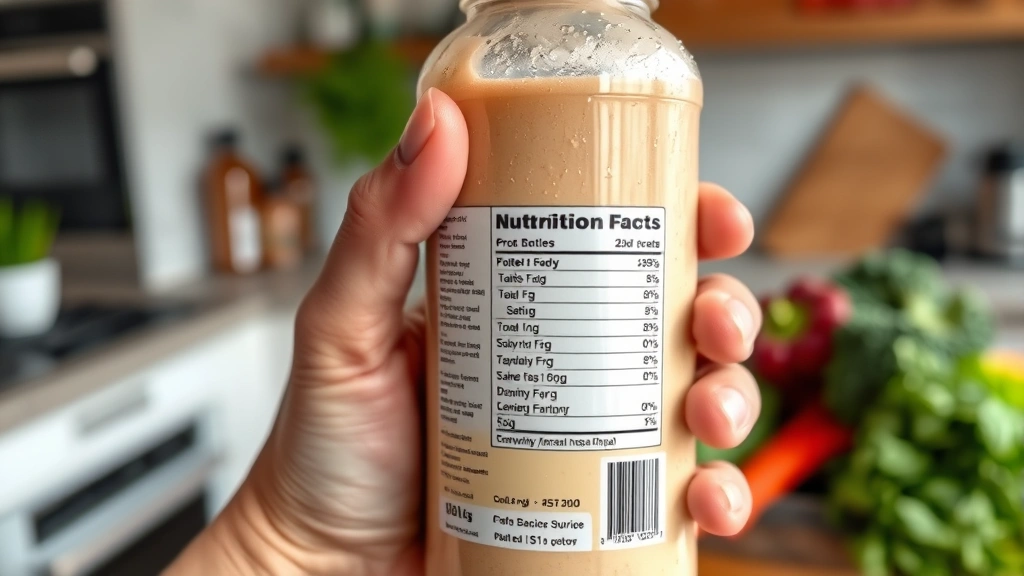
- Read labels carefully: Compare added sugar, fiber content, ingredient quality, and micronutrient levels across products
- Consider individual context: Evaluate whether a drink serves a legitimate medical, athletic, or practical purpose rather than mere convenience
- Monitor total nutrient intake: Account for nutrition drinks when calculating total daily vitamin, mineral, and calorie consumption
- Choose wisely: Select products with minimal added sugars, whole food-based ingredients, and transparent labeling
Research from the National Institutes of Health supports these recommendations, with longitudinal studies showing that individuals relying heavily on processed beverages demonstrate worse long-term health outcomes compared to those emphasizing whole food consumption, regardless of individual beverage nutritional profiles.
Comparing Popular Nutrition Drink Categories
Different nutrition drink categories serve different purposes and carry different risk-benefit profiles:
Protein Shakes and Powders: Generally appropriate for post-workout recovery when formulated with adequate protein (20-30g), minimal added sugar (under 5g), and whole food-based ingredients. Quality varies dramatically; many commercial options contain excessive additives and sugar.
Meal Replacement Drinks: Marketed as complete nutrition substitutes for meals, these products oversimplify nutritional complexity. While convenient for occasional use, regular meal replacement creates dietary monotony and eliminates the nutritional diversity provided by varied whole foods. Most lack adequate fiber for digestive health.
Vitamin and Mineral Fortified Beverages: Often disguised as healthy juice alternatives, these products frequently contain more added sugar than whole juice while delivering synthetic vitamins. Consumers perceive them as healthier than they actually are, based on marketing positioning.
Functional Beverages: Claims about probiotics, collagen, adaptogens, or other functional ingredients often exceed supporting evidence. Some functional ingredients are poorly absorbed or unstable in liquid form, reducing efficacy despite marketing emphasis.
Medical Nutrition Products: Formulated specifically for clinical populations with documented nutrient needs, these products have legitimate therapeutic applications when used under professional guidance.
Healthier Alternatives to Consider
For individuals seeking convenient nutrition, whole food alternatives often provide superior outcomes:
Whole Food Smoothies: Blending whole fruits, vegetables, Greek yogurt, and nuts provides intact nutrients, fiber, and phytochemicals that processed drinks cannot match. You control all ingredients and can adjust macronutrient ratios based on individual needs. This approach supports better nutrition and mental health through whole food consumption.
Nut Butters and Whole Milk: A simple combination of natural nut butter mixed with milk provides protein, healthy fats, and micronutrients without additives or excessive processing.
Bone Broth: For those seeking protein and minerals, homemade or quality bone broth offers collagen, amino acids, and bioavailable minerals without added sugars or synthetic vitamins.
Whole Food Snacks and Meals: Rather than replacing meals with drinks, investing time in simple meal preparation—even just 30 minutes of planning—dramatically improves nutritional quality and health outcomes.
Water with Electrolytes: For hydration during or after exercise, plain water or water with minimal added electrolytes (sodium, potassium) outperforms sugary sports drinks for most recreational athletes.
Herbal Teas: For those seeking functional beverages, unsweetened herbal teas provide bioactive compounds without added ingredients or processing.
Consulting with professionals about comprehensive nutrition care helps identify whether nutrition drinks serve legitimate purposes in individual contexts or represent unnecessary processed food consumption.

FAQ
Are meal replacement drinks safe for daily use?
Most meal replacement drinks are not formulated for long-term daily use as complete meal substitutes. They lack the nutritional complexity, fiber diversity, and phytochemical richness of whole foods. Occasional use for convenience is acceptable; daily reliance creates nutritional monotony and often reduces overall dietary quality. Individuals considering regular replacement should consult registered dietitians about personalized approaches.
Which nutrition drinks are healthiest?
No single “healthiest” drink exists universally; appropriateness depends on individual context. Look for products with: minimal added sugars (under 5g per serving), adequate fiber (3+ grams), whole food-based ingredients, transparent labeling, and third-party testing for quality assurance. Avoid products with extensive additive lists or nutrient levels exceeding daily requirements significantly.
Can nutrition drinks help with weight loss?
Some protein-rich, low-sugar nutrition drinks can support weight management when integrated into structured approaches emphasizing whole foods and caloric balance. However, drinks alone do not create weight loss; they work only within comprehensive dietary and lifestyle changes. Regular consumption of high-calorie drinks often undermines weight management goals despite marketing claims.
Are plant-based nutrition drinks healthier than dairy-based?
Neither category is inherently healthier; quality varies within both. Dairy-based drinks provide complete proteins and bioavailable nutrients; plant-based options offer advantages for those with lactose intolerance or ethical preferences. Evaluate individual products on their specific formulations rather than assuming category-level superiority.
How do nutrition drinks compare to regular food?
Whole foods provide superior nutritional value through nutrient synergy, phytochemical diversity, and intact fiber structures that processed drinks cannot replicate. Drinks offer convenience and shelf stability but lack the complexity that evolution has optimized for human nutrition. Whole foods should form dietary foundations; drinks serve supplementary roles only.
Should athletes use nutrition drinks?
Athletes may legitimately benefit from protein drinks post-workout when rapid protein delivery supports muscle recovery. However, this application works best within overall diets emphasizing whole foods, proper hydration, and adequate total protein intake. Drinks should not replace whole food meals or comprehensive sports nutrition strategies.
Do nutrition drinks provide all necessary nutrients?
No single beverage provides truly complete nutrition accounting for individual variations in age, sex, activity level, health status, and genetic factors. While some drinks approximate general nutrient recommendations, they cannot replace the diversity and complexity that varied whole food consumption provides.