Egg Noodles Nutrition: Dietitian’s Analysis
Egg noodles have been a kitchen staple for generations, offering comfort and versatility in countless dishes across cultures. But beyond their satisfying taste and convenient preparation, what do egg noodles actually contribute to your diet? As a registered dietitian nutritionist, I’ve analyzed the nutritional profile of egg noodles extensively to help you make informed dietary choices. This comprehensive guide breaks down the science behind egg noodles nutrition, examining both their benefits and limitations within a balanced eating plan.
Understanding the nutritional composition of foods you eat regularly is crucial for maintaining optimal health. Egg noodles occupy a unique position in the carbohydrate category—they’re enriched pasta products that contain actual eggs, distinguishing them from standard wheat pasta. Whether you’re managing weight, monitoring blood sugar, or simply curious about what’s on your plate, this analysis will provide evidence-based insights into how egg noodles fit into your dietary framework.
Complete Nutritional Breakdown of Egg Noodles
A standard serving of cooked egg noodles—approximately one cup or 160 grams—contains roughly 220 calories. This baseline measurement helps establish portion control awareness, particularly important for individuals tracking energy intake. The composition reflects both the refined wheat flour base and the addition of whole eggs, which contributes to a more complete amino acid profile compared to traditional pasta.
The USDA Food Data Central database provides comprehensive micronutrient information for egg noodles. Beyond the primary macronutrients, egg noodles contain notable amounts of several essential minerals and B vitamins due to enrichment fortification. Thiamine (vitamin B1) content reaches approximately 0.3 milligrams per serving, while riboflavin (B2) provides around 0.2 milligrams. These B vitamins play critical roles in energy metabolism, helping your body convert food into usable fuel.
Sodium content in egg noodles typically ranges from 5-10 milligrams per cooked cup, which is relatively low compared to many processed foods. However, when prepared with added salt or sauces, total sodium intake can increase substantially. For individuals managing hypertension or following a healthy nutrition plan, this distinction matters significantly.
Macronutrient Analysis: Carbs, Protein, and Fat
Carbohydrates dominate the macronutrient profile of egg noodles, comprising approximately 40 grams per cooked serving. These carbohydrates are primarily simple starches from refined wheat flour, which digest relatively quickly and cause moderate blood sugar elevation. The glycemic index of egg noodles falls in the moderate range (around 65-70), meaning they raise blood glucose faster than whole grain alternatives but slower than white bread or instant rice.
Protein content represents one of egg noodles’ distinguishing features compared to regular pasta. Each serving provides approximately 7-8 grams of protein, with the egg component contributing all nine essential amino acids. This complete protein advantage makes egg noodles particularly valuable for vegetarians seeking plant-based protein sources supplemented with animal protein. The protein-to-calorie ratio of 7:220 (approximately 12.7% of calories from protein) meets the minimum dietary reference intake for adults, though it’s not exceptionally high.
Fat content in egg noodles averages 3-4 grams per serving, primarily from the eggs used in production. This includes both saturated and unsaturated fats, with cholesterol content around 50-60 milligrams per serving—a moderate amount that fits comfortably within the daily limit of 300 milligrams recommended for most adults. The fat content contributes to satiety and helps absorb fat-soluble vitamins, though the amounts are modest.
When considering macronutrient balance, egg noodles function best as a base carbohydrate component in meals that include substantial protein sources and vegetables. A well-constructed plate might feature one cup of egg noodles paired with 3-4 ounces of lean protein and 2-3 cups of non-starchy vegetables, creating a balanced nutritional profile that supports stable energy and blood sugar control.
Micronutrients and Vitamin Content
The enrichment fortification of egg noodles significantly impacts their micronutrient profile. Manufacturers add folic acid (vitamin B9) to meet FDA fortification standards, providing approximately 90 micrograms per serving—roughly 23% of the daily recommended intake. This fortification becomes particularly important for women of childbearing age, as adequate folic acid intake reduces neural tube birth defect risk.
Iron content in enriched egg noodles typically reaches 2-3 milligrams per serving, delivering 11-17% of the daily recommended intake for adult women and 25-38% for adult men. The bioavailability of fortified iron is moderate; pairing egg noodles with vitamin C-rich foods like tomato sauce or citrus vegetables enhances iron absorption significantly. This synergy illustrates why understanding the importance of dietary fiber and nutrient absorption matters in practical nutrition.
Magnesium, phosphorus, and manganese appear in smaller quantities but contribute to overall micronutrient intake. Magnesium content averages 40-50 milligrams per serving, supporting muscle function and bone health. Phosphorus provides around 100-120 milligrams, working synergistically with calcium in bone metabolism. These minerals, while not present in exceptional quantities, represent meaningful contributions to daily requirements.
One notable micronutrient absence in egg noodles is significant dietary fiber. A cooked serving contains less than one gram of fiber, reflecting the refined wheat flour base. This low fiber content affects digestive health and satiety compared to whole grain alternatives. For individuals seeking how to improve digestion, incorporating higher-fiber foods alongside egg noodles becomes strategically important.
Comparing Egg Noodles to Other Pasta Options
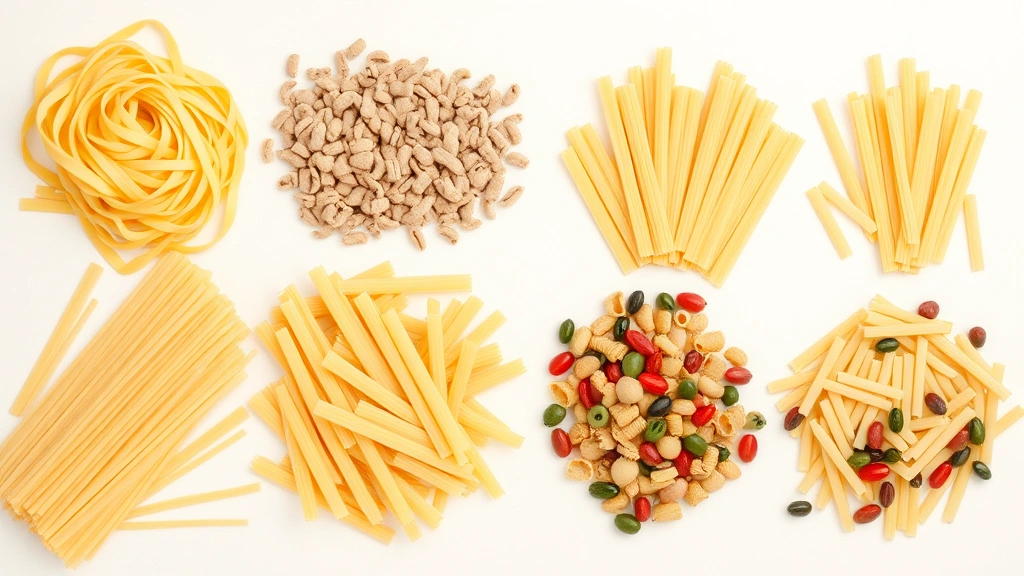
The pasta landscape offers numerous alternatives, each with distinct nutritional characteristics. Whole wheat pasta contains approximately 35 grams of carbohydrates per cooked serving but delivers 6-8 grams of fiber—a substantial advantage for digestive health and blood sugar control. However, whole wheat pasta provides slightly less protein than egg noodles and lacks the complete amino acid profile that eggs provide.
Legume-based pastas (chickpea, lentil, or black bean varieties) represent the protein-richest option, delivering 12-20 grams of protein per serving along with 7-10 grams of fiber. These alternatives suit individuals prioritizing protein intake or managing blood sugar concerns, though they cost significantly more and have different cooking characteristics. The Nutrients Pathway blog explores nutrition facts about avocados and other whole foods worth comparing in similar analytical depth.
Regular wheat pasta (non-enriched) falls nutritionally between egg noodles and whole wheat options. It provides similar carbohydrate content but less protein and no egg contribution. Enriched regular pasta matches enriched egg noodles in micronutrient fortification but lacks the complete protein advantage. Vegetable-based pastas (spinach, beet, or carrot varieties) offer modest micronutrient boosts from their vegetable additions but maintain similar macronutrient profiles to regular pasta.
Gluten-free pasta alternatives vary considerably in nutritional quality. Rice-based and corn-based gluten-free pastas often contain less protein and more carbohydrates than traditional options. Higher-quality gluten-free products incorporate legume or chickpea flour, improving protein and fiber content substantially. For individuals with celiac disease or gluten sensitivity, these alternatives provide necessary dietary accommodations, though nutritional comparison remains relevant for overall meal planning.
Health Considerations and Dietary Concerns
The refined carbohydrate content of egg noodles warrants consideration for individuals managing type 2 diabetes or prediabetes. Research from Pew Research Center on dietary patterns shows refined pasta consumption correlates with increased diabetes risk in observational studies. However, portion control and meal composition significantly influence blood sugar response. Pairing one cup of egg noodles with substantial protein and vegetables can moderate glycemic impact compared to consuming noodles as a standalone dish.
Weight management considerations require honest assessment of portion sizes and caloric density. At 220 calories per cooked cup, egg noodles provide moderate energy density. Individuals pursuing weight loss benefit from controlled portions—typically half to three-quarter cup servings—combined with high-volume, low-calorie vegetables. The protein content provides some satiety advantage, but the modest fiber content limits fullness signals compared to whole grain alternatives.
Gluten content represents a critical concern for individuals with celiac disease or non-celiac gluten sensitivity. Standard egg noodles contain wheat and therefore gluten. Cross-contamination during manufacturing can occur even in products labeled gluten-free, making certified gluten-free options essential for sensitive individuals. The relationship between nutrition and mental health extends to digestive health, as gluten-related gastrointestinal issues can affect nutrient absorption and mood regulation.
Cholesterol considerations matter for individuals with familial hypercholesterolemia or those following strict dietary cholesterol limits. At 50-60 milligrams of cholesterol per serving, egg noodles contribute meaningfully to daily intake. However, current research from the American Heart Association suggests dietary cholesterol has less impact on blood cholesterol than saturated fat intake, particularly in individuals without genetic predisposition to high cholesterol.
Sodium content, while low in plain cooked egg noodles, escalates dramatically with added salt during cooking or sauce preparation. Individuals managing hypertension should prepare egg noodles without added salt and control sauce sodium content. Using low-sodium broths or fresh tomato-based sauces instead of cream-based or canned options significantly reduces overall sodium intake.
Practical Strategies for Balanced Egg Noodle Meals
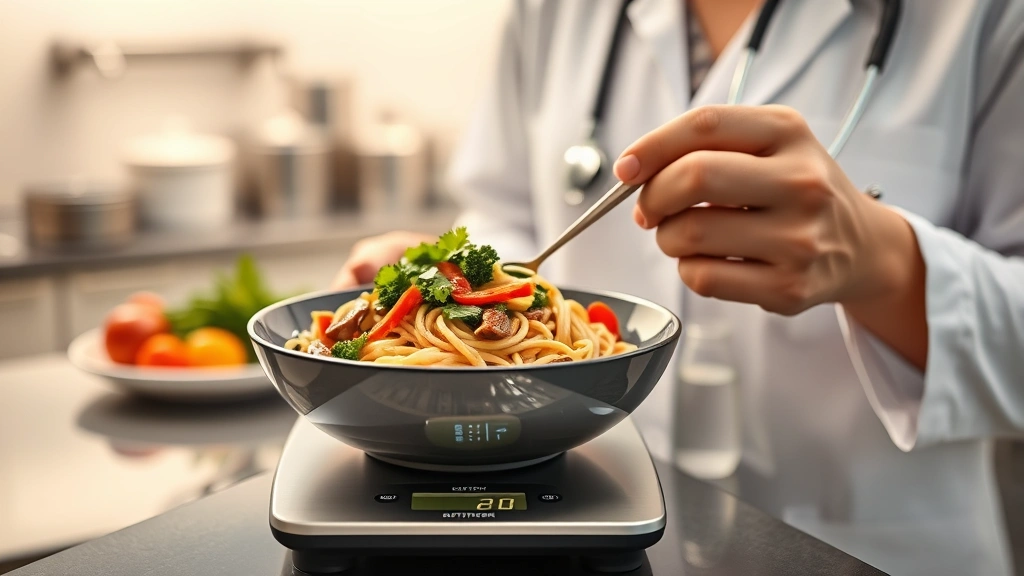
Creating nutritionally balanced meals with egg noodles requires intentional plate construction. The foundation starts with portion control—limiting egg noodles to one cup or less per meal. This portion size provides adequate carbohydrates for energy without excessive caloric intake. Building from this base, incorporate 3-4 ounces of lean protein such as grilled chicken, baked fish, ground turkey, or legumes. This protein addition increases satiety, stabilizes blood sugar response, and ensures adequate amino acid intake.
Vegetable integration transforms egg noodle meals from simple carbohydrate-focused dishes into nutritionally comprehensive meals. Aim for 2-3 cups of non-starchy vegetables, which add fiber, vitamins, minerals, and phytonutrients with minimal caloric contribution. Sautéed broccoli, bell peppers, snap peas, and mushrooms work excellently in egg noodle dishes. Raw vegetables like spinach can be added after cooking to preserve micronutrients. This vegetable emphasis addresses the fiber deficit inherent in refined pasta while increasing meal volume for satiety.
Sauce selection dramatically impacts overall nutritional quality. Tomato-based sauces provide lycopene and other beneficial phytonutrients with relatively low caloric density. Cream-based sauces contribute saturated fat and calories without nutritional compensation. Oil-based preparations offer healthy monounsaturated and polyunsaturated fats from olive oil or other quality oils, though portion control remains important due to caloric density. Herb and spice-based seasonings enhance flavor without adding calories or sodium.
Preparation techniques influence micronutrient retention and digestive impact. Cooking egg noodles until al dente (slightly firm) rather than soft reduces starch gelatinization and glycemic response slightly. Adding a small amount of fat (olive oil or butter) to cooking water enhances fat-soluble vitamin absorption and reduces starch stickiness. Cooling cooked noodles creates resistant starch, which behaves more like fiber in the digestive system, offering modest glycemic benefits.
Meal timing and frequency considerations matter for energy management and blood sugar stability. Consuming egg noodle-based meals earlier in the day, particularly at lunch rather than dinner, may provide better energy utilization. Combining egg noodles with adequate protein and fat at each meal creates more stable post-meal glucose and insulin responses compared to consuming them alone.
FAQ
Are egg noodles healthier than regular pasta?
Egg noodles contain complete protein with all nine essential amino acids due to their egg content, while regular pasta lacks this advantage. However, egg noodles and regular pasta contain similar carbohydrate and calorie amounts. Neither offers significant fiber, making whole grain pasta a superior choice for digestive health. The choice depends on your specific nutritional priorities—egg noodles win for protein completeness, while whole grain alternatives win for fiber and blood sugar stability.
How do egg noodles fit into a weight loss plan?
Egg noodles can support weight loss when portion-controlled to one cup or less per meal and combined with substantial protein and vegetables. The protein content provides satiety advantages over regular pasta. However, the refined carbohydrate content and low fiber don’t promote fullness as effectively as whole grain alternatives. Success requires mindful portioning and meal composition rather than eliminating egg noodles entirely.
Can people with diabetes eat egg noodles?
Individuals with diabetes can include egg noodles in their diet when portion-controlled and paired with protein and vegetables to moderate blood sugar response. The glycemic index falls in the moderate range, meaning they raise blood glucose faster than whole grains but slower than white bread. Monitoring individual blood sugar response and working with a registered dietitian to determine appropriate portions within overall carbohydrate targets is essential.
What’s the difference between egg noodles and egg pasta?
Egg noodles and egg pasta differ primarily in their manufacturing process and resulting texture. Egg noodles typically contain a higher proportion of eggs relative to flour, creating a softer texture and richer mouthfeel. Egg pasta maintains more structure during cooking. Nutritionally, they’re quite similar, though exact macronutrient ratios may vary slightly between brands. Both offer the complete protein advantage from eggs.
Are enriched egg noodles nutritionally equivalent to whole grain noodles?
Enriched egg noodles and whole grain noodles occupy different nutritional categories. Enriched noodles receive synthetic vitamin and mineral fortification, while whole grain noodles retain naturally-occurring micronutrients and significantly more fiber. Whole grain noodles provide superior digestive and blood sugar benefits, though enriched egg noodles offer better protein completeness. For optimal nutrition, neither surpasses a combination approach incorporating various whole foods as outlined in our Nutrients Pathway blog resources.


