Einstein Bros Nutrition Facts: Dietitian Review
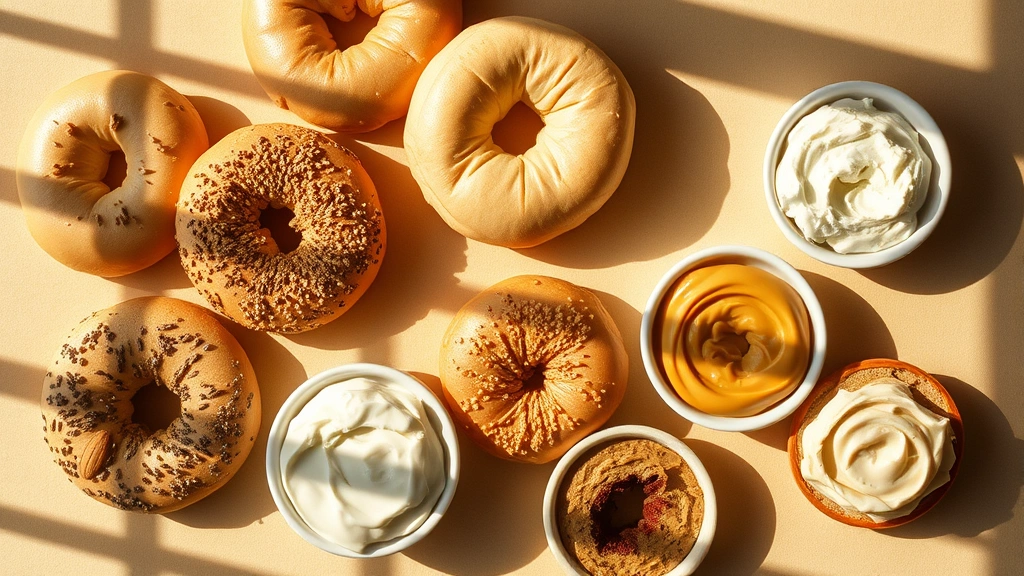
Einstein Bros Bagels has become a staple breakfast destination for millions of Americans seeking quick, convenient meals. However, the nutrition profile of their menu items often surprises health-conscious consumers. This comprehensive dietitian review examines the Einstein Bros nutrition facts, breaking down caloric content, macronutrient distribution, and sodium levels across their most popular offerings. Understanding what you’re consuming at this bagel chain is essential for making informed dietary choices that align with your wellness goals.
As a registered dietitian nutritionist, I’ve analyzed the complete nutritional data available from Einstein Bros to provide you with evidence-based guidance. Whether you’re a regular customer or considering your first visit, this detailed breakdown will help you navigate the menu strategically. We’ll explore which items fit within various dietary approaches, identify potential nutritional pitfalls, and discover surprisingly balanced options that might not be immediately obvious.
Einstein Bros Menu Overview and Nutritional Landscape
Einstein Bros operates approximately 350 locations across the United States, positioning itself as a premium bagel chain with competitive pricing. Their menu extends beyond traditional bagels to include sandwiches, salads, and beverages, creating multiple pathways for nutritional intake. The average Einstein Bros bagel contains between 250-350 calories, though this varies significantly based on variety and preparation method.
The chain’s nutritional transparency has improved considerably in recent years. Most locations provide detailed nutrition information at point-of-sale, and complete data is available online. This accessibility allows customers to make informed decisions before ordering. However, many consumers don’t utilize this information, leading to unknowing consumption of items with surprisingly high sodium, sugar, or caloric density.
Understanding the nutritional foundation of bagels themselves is crucial. A typical bagel is essentially refined carbohydrates with minimal fiber, protein, or micronutrients unless specifically fortified. This means the nutritional value of your Einstein Bros meal depends heavily on what you pair with your bagel—the cream cheese variety, any protein additions, and beverage choices all substantially impact the overall nutritional profile.
Research from the Pew Research Center indicates that Americans consume approximately 25% of their daily calories from quick-service restaurants, making menu analysis increasingly important for public health. Einstein Bros, as a frequently visited breakfast establishment, represents a significant nutritional decision point for many individuals.
Bagels: Calorie Content and Carbohydrate Analysis
Einstein Bros offers approximately 15-20 bagel varieties, each with distinct nutritional profiles. The classic plain bagel serves as the baseline at roughly 260-280 calories with about 50 grams of carbohydrates. This seemingly modest calorie count becomes problematic when you consider that a single bagel provides approximately 50% of recommended daily carbohydrates for a 2,000-calorie diet, with minimal fiber or protein to support satiety.
Specialty bagels introduce additional considerations. The Cinnamon Raisin bagel, popular among those with a sweet preference, contains approximately 300 calories and 15 grams of sugar—equivalent to nearly 4 teaspoons of added sugar before any spread application. The Everything bagel, while appearing savory, contains similar caloric content to plain varieties due to seed additions contributing minimal nutritional benefit relative to caloric density.
The Everything Whole Wheat bagel represents a superior choice within the bagel category. With increased fiber content (approximately 5-6 grams) compared to 2-3 grams in refined bagels, this option promotes better blood sugar stability and digestive health. The added whole grains also provide modest increases in B vitamins and minerals. However, the caloric content remains comparable to refined varieties—approximately 270-290 calories—meaning this is an optimization rather than a substantial reduction.
For those practicing healthy nutrition planning, understanding that bagels are primarily a carbohydrate delivery mechanism is essential. They lack the protein necessary for sustained energy and satiety, making them particularly unsuitable as standalone breakfast items. This foundational limitation means Einstein Bros bagels require strategic pairing with protein and fat sources to create nutritionally balanced meals.
The Asiago Cheese bagel and similar varieties with added cheese increase caloric content to 300-320 calories while adding saturated fat (approximately 3-4 grams) without proportional protein increases. These additions enhance palatability but diminish nutritional value relative to caloric investment.
Cream Cheese and Spread Options
Cream cheese represents the most critical variable in Einstein Bros meal construction. A standard serving of regular cream cheese contains approximately 100 calories and 10 grams of fat, with minimal protein (2 grams). This transforms a 280-calorie bagel into a 380-calorie meal—still modest—but the 10 grams of fat is primarily saturated fat, contributing to cardiovascular risk when consumed regularly.
Einstein Bros offers light cream cheese options with approximately 60 calories and 5 grams of fat per serving, representing a 40% caloric reduction. However, light cream cheese often contains added gums and stabilizers to maintain texture while reducing fat content. For most individuals, this represents an acceptable trade-off, though the satiety difference is negligible.
The hummus-based spreads and vegetable spreads available at some locations provide interesting alternatives. Hummus delivers approximately 80-100 calories per serving but includes 3-4 grams of protein and fiber from chickpeas, creating superior satiety compared to cream cheese. The nutritional profile of avocado-based spreads similarly offers monounsaturated fats and fiber, though caloric density remains comparable to cream cheese.
Peanut butter and almond butter options provide 90-100 calories per serving with 3-4 grams of protein, making them superior choices for satiety and blood sugar stabilization. The fat profile shifts toward unsaturated fats, supporting cardiovascular health. These options transform a bagel from a pure carbohydrate delivery system into a more balanced macronutrient profile.
The key principle is that spread selection fundamentally alters the nutritional impact of your Einstein Bros meal. Regular cream cheese adds calories with minimal nutritional benefit, while protein-containing or fiber-rich spreads create more balanced meals supporting sustained energy and satiety.
Sandwiches and Breakfast Combos
Einstein Bros sandwiches represent the chain’s attempt to provide more substantial, protein-forward options. The Turkey Sausage Sandwich contains approximately 420-450 calories with 18-20 grams of protein, substantially improving the protein-to-calorie ratio compared to bagel-only meals. However, sodium content typically ranges from 900-1,100 milligrams—approaching 50% of the recommended daily intake in a single item.
The Egg White and Cheese Sandwich offers approximately 350-380 calories with 16-18 grams of protein, providing better macronutrient balance than most bagel combinations. The caloric density is reasonable for a breakfast sandwich, though again sodium content warrants consideration. The inclusion of egg whites rather than whole eggs reduces saturated fat while maintaining protein content.
Breakfast sandwiches with bacon or sausage introduce additional saturated fat (4-6 grams) and sodium (800-1,200 milligrams), creating options suitable only for occasional consumption if cardiovascular health is a consideration. The high sodium content is particularly problematic because most individuals already consume 150% of recommended sodium levels, making frequent consumption of high-sodium breakfast items contribute to hypertension risk.
The veggie-forward options, when available, typically contain 280-320 calories with lower protein content (8-10 grams) but reduced sodium (600-700 milligrams). These represent compromise options—better nutritional profiles than cream cheese-laden bagels but less protein-dense than meat-containing sandwiches.
Combo meals that pair sandwiches with beverages and sides create the risk of dramatically escalating caloric intake. A 450-calorie sandwich paired with a 16-ounce specialty beverage (250-350 calories) and a side item (150-200 calories) quickly reaches 850-1,000 calories—representing 40-50% of daily caloric needs in a single meal. Strategic selection of lower-calorie beverages and side elimination becomes essential for maintaining overall caloric balance.
Beverages and Hidden Calorie Sources
Beverage selection at Einstein Bros represents perhaps the most underestimated nutritional variable. A 16-ounce Caramel Macchiato contains approximately 380-420 calories, with 45-50 grams of sugar—exceeding the American Heart Association’s recommended daily sugar limit (25 grams for women, 36 grams for men) in a single beverage. This transforms a modest breakfast into an excessive-calorie, excessive-sugar meal.
The Iced Chai Tea Latte contains approximately 240-280 calories with 35-40 grams of sugar, similarly problematic for blood sugar management and caloric balance. Even seemingly innocent beverage choices like Iced Coffee with Cream contain 100-150 calories of added fat and sugar per serving.
Black coffee and unsweetened tea represent the optimal choices, containing 0-5 calories with negligible sugar or macronutrients. Alternatively, requesting beverages with alternative sweeteners (stevia, monk fruit) or reduced-sugar options can substantially lower caloric and sugar intake without sacrificing the beverage experience.
The psychological impact of beverage selection deserves consideration. Consuming a 400-calorie beverage creates minimal satiety compared to consuming 400 calories of solid food, meaning the caloric investment provides limited hunger satisfaction. This represents poor nutritional economics—significant caloric expense with minimal return in terms of satiety or nutritional density.
Research from nutrition and behavioral science demonstrates that nutrition and mental health connections extend to beverage consumption patterns, with high-sugar beverage consumption associated with increased anxiety and depression risk. This extends the impact of beverage selection beyond simple caloric considerations.
Sodium Content Across Menu Items
Sodium represents the most concerning nutritional element across Einstein Bros’ menu. The average Einstein Bros meal easily exceeds 1,000 milligrams of sodium, with many items surpassing 1,500 milligrams. This is particularly problematic because the recommended daily sodium intake is 2,300 milligrams, meaning a single meal consumes 40-65% of daily allowance.
Bagels themselves contribute 400-600 milligrams of sodium per item, primarily from salt added during production and yeast fermentation. Cream cheese adds 200-300 milligrams per serving. Sandwich proteins (bacon, sausage, turkey) add another 600-900 milligrams. Collectively, a typical Einstein Bros meal delivers 1,200-1,800 milligrams of sodium.
For individuals with hypertension or cardiovascular disease risk, this sodium density is problematic. The American Heart Association emphasizes that high sodium intake from processed foods represents a primary driver of hypertension in developed nations. Regular Einstein Bros consumption without sodium consciousness substantially increases hypertension risk over time.
Strategies for sodium reduction include requesting items without added salt when possible, choosing vegetable-based spreads over cream cheese, and avoiding processed meat proteins when feasible. However, the fundamental challenge is that bagel production inherently requires substantial salt for flavor and preservation, meaning true sodium reduction requires choosing alternative breakfast establishments or preparing meals at home.
Protein-Rich Choices for Satiety
Protein content varies dramatically across Einstein Bros offerings, ranging from 2-3 grams in bagel-only items to 18-20 grams in sandwich options. This variation fundamentally impacts satiety and blood sugar response. Research consistently demonstrates that protein intake of 25-30 grams at breakfast substantially improves satiety compared to carbohydrate-dominant meals, reducing overall daily caloric intake.
The Einstein Bros options optimizing protein include the Egg White and Cheese Sandwich (16-18 grams), Turkey Sausage Sandwich (18-20 grams), and when available, Greek yogurt parfaits (15-18 grams). These options position protein as the primary macronutrient, with carbohydrates secondary, creating superior metabolic responses.
Pairing bagels with high-protein spreads like peanut butter or almond butter increases protein content to 8-10 grams, though this remains below optimal breakfast protein targets. Adding side proteins—hard-boiled eggs, yogurt, or additional meat—can elevate protein content while maintaining reasonable caloric density.
The satiety benefit of protein is substantial. Studies demonstrate that 30-gram protein breakfasts reduce afternoon snacking by 30-40% compared to carbohydrate-dominant breakfasts, effectively reducing overall daily caloric intake without conscious dietary restriction. This makes protein-focused Einstein Bros selections particularly valuable for weight management goals.
Building a Balanced Meal at Einstein Bros
Constructing a nutritionally balanced Einstein Bros meal requires strategic component selection. The foundational principle is incorporating protein, healthy fats, and fiber to transform the carbohydrate-dominant bagel into a complete meal. Here’s the framework:
- Base: Whole wheat bagel (270 calories, 5 grams fiber, 10 grams protein)
- Spread: Almond butter or peanut butter (95 calories, 3.5 grams protein, 3 grams fiber)
- Additional protein: Egg white or turkey slice (40-50 calories, 8-10 grams protein)
- Beverage: Black coffee or unsweetened tea (0-5 calories)
This combination totals approximately 405-415 calories with 21-23 grams of protein, 8-9 grams of fiber, and 500-600 milligrams of sodium—representing a genuinely balanced breakfast supporting 4-5 hours of satiety.
Alternative approach using sandwich base:
- Base: Egg White and Cheese Sandwich (350-380 calories, 16-18 grams protein)
- Addition: Side of fruit or vegetable when available (50-75 calories, 2-3 grams fiber)
- Beverage: Black coffee or water (0-5 calories)
This combination totals approximately 400-460 calories with 16-18 grams of protein and improved micronutrient density compared to bagel-based meals, though sodium remains elevated at 900-1,100 milligrams.
The critical principle is avoiding the default menu construction—bagel plus cream cheese plus specialty beverage—which typically creates 650-800 calorie meals with minimal protein, excessive sugar, and elevated sodium. Intentional selection dramatically improves nutritional outcomes without requiring menu modifications or special requests.
Comparison with Competitors
Understanding Einstein Bros’ nutritional positioning relative to competitors provides valuable context. Panera Bread, a direct competitor, offers similar breakfast items with comparable caloric and sodium profiles. However, Panera provides more extensive nutrition labeling and dietary accommodation options, including customizable items and clearer labeling of protein and fiber content.
Dunkin’ Donuts, while known for donuts, offers surprisingly comparable breakfast sandwich options with slightly lower sodium content (800-950 milligrams) compared to Einstein Bros (900-1,100 milligrams). However, Dunkin’s beverage offerings skew toward higher sugar content, potentially making Einstein Bros a superior choice for those sensitive to sugar intake.
Independent bagel shops often provide more flexibility for customization and ingredient selection, potentially allowing sodium and sugar reduction through special requests. However, caloric and macronutrient content remains comparable to Einstein Bros due to fundamental bagel properties.
The importance of dietary fiber for health extends to breakfast selection across all establishments. Einstein Bros’ whole wheat bagel offerings position them favorably relative to competitors offering exclusively refined grain options. This represents a meaningful differentiation for individuals prioritizing fiber intake and blood sugar management.
Home preparation remains nutritionally superior to all quick-service options, allowing complete control over ingredient selection, portion sizes, and sodium content. However, the convenience factor drives continued quick-service breakfast consumption, making optimization within these constraints practically important.
Frequently Asked Questions
What’s the lowest-calorie Einstein Bros menu item?
The plain bagel represents the lowest-calorie primary item at approximately 260-280 calories. However, this lacks protein and satiating macronutrients. For a complete meal, the Egg White and Cheese Sandwich at 350-380 calories provides superior nutritional value. Beverage choice dramatically impacts total meal calories—black coffee (0-5 calories) versus specialty beverage (250-400 calories) creates 250-400 calorie differences.
Is Einstein Bros suitable for weight loss?
Einstein Bros can support weight loss if items are selected strategically with attention to protein content, portion sizes, and beverage selection. The challenge is that default menu items (bagel plus cream cheese plus specialty beverage) typically exceed 700-800 calories, making regular consumption incompatible with caloric deficits necessary for weight loss. Intentional selection of protein-forward items and black coffee can create 400-500 calorie meals supporting weight loss goals.
How does Einstein Bros compare nutritionally to homemade bagels?
Homemade bagels typically contain identical macronutrient profiles to Einstein Bros bagels, though sodium content can be substantially lower (200-300 milligrams versus 400-600 milligrams) when prepared without commercial salt quantities. The primary advantage of homemade preparation is control over ingredient selection and ability to incorporate whole grains, seeds, and fiber-enhancing ingredients. However, the convenience factor makes Einstein Bros pragmatically valuable for busy individuals.
What spreads should I avoid at Einstein Bros?
Regular cream cheese should be limited due to high saturated fat content (10 grams per serving) without proportional protein or satiety benefit. Sweetened spreads and honey butter add excessive sugar without nutritional compensation. Spreads to prioritize include almond butter, peanut butter, hummus, and vegetable-based options providing protein, fiber, or monounsaturated fats.
Can I reduce sodium in Einstein Bros meals?
Sodium reduction at Einstein Bros is limited due to the ingredient’s fundamental role in bagel production. However, choosing vegetable-based spreads (lower sodium than cream cheese), avoiding processed meat proteins, and requesting items without added salt can marginally reduce sodium content. For individuals requiring strict sodium limitation, Einstein Bros is not an optimal choice, and alternative establishments or home preparation are preferable.
What’s the protein content of Einstein Bros bagels?
Standard bagels contain approximately 9-11 grams of protein, primarily from flour. Adding protein-rich spreads (peanut butter, almond butter) increases this to 12-14 grams. Sandwich options provide 16-20 grams of protein. For satiety optimization, breakfast protein targets of 25-30 grams typically require combining bagel base with additional protein sources or selecting sandwich options exclusively.
Are there vegan options at Einstein Bros?
Einstein Bros offers limited vegan options, though bagels themselves are typically vegan when prepared without dairy-containing spreads. Vegetable spreads, hummus, and nut butters provide vegan spread options. However, the limited vegan-specific menu makes Einstein Bros less suitable for strict vegans compared to establishments with dedicated plant-based proteins and spreads. Checking location-specific menus is essential, as offerings vary by franchise.
How often should I consume Einstein Bros breakfast items?
For individuals without specific dietary restrictions, consuming Einstein Bros breakfast 1-2 times weekly with strategic item selection poses minimal health concerns. For those with hypertension, cardiovascular disease, or diabetes, limiting consumption to monthly or less is advisable due to sodium content and refined carbohydrate density. The key factor is whether Einstein Bros consumption crowds out home-prepared breakfasts offering superior nutritional control.
Does Einstein Bros offer nutritional information?
Yes, Einstein Bros provides comprehensive nutritional information online and at most locations. Caloric content, macronutrient distribution, sodium, sugar, fiber, and allergen information are available, enabling informed decision-making. However, this information is only valuable when actively consulted—many consumers order without reviewing nutritional data, resulting in unknowing consumption of suboptimal choices.


